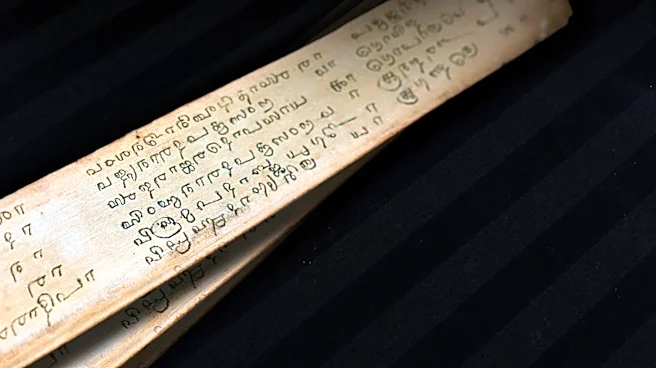








Manuscript culture represents a significant phase in the history of human communication, bridging the gap between oral traditions and the advent of print culture. This era, characterized by the meticulous hand-copying of texts, played a crucial role in preserving and disseminating knowledge across various societies. As we delve into the evolution of manuscript culture, we uncover the intricate processes and societal shifts that marked this transformative
period.
The Origins and Early Development
Manuscript culture emerged as societies transitioned from oral traditions to written records. In Europe, this shift began in classical antiquity, with monks and nuns in early medieval times painstakingly copying religious texts and other works by hand. These manuscripts were not limited to religious content; they also included texts on astronomy, herbals, and bestiaries. The labor-intensive process of hand-copying required a high level of skill and dedication, often carried out in the quiet confines of monasteries.
As manuscript culture developed, it gradually moved from the secluded monastic settings to the bustling markets of medieval cities. This transition was driven by the rise of universities and the increasing demand for written works. The production and trade of manuscripts became a regulated industry, creating jobs and fostering a vibrant market for books. Universities played a pivotal role in this process, overseeing the quality and distribution of manuscripts to ensure their accuracy and accessibility.
The Rise of Late Manuscript Culture
The late manuscript culture, spanning from the mid-14th to the 15th century, was marked by a desire for uniformity and ease of access to texts. This period saw significant changes in the materials used for manuscripts, with a shift from vellum to paper, which was more affordable and easier to produce. The Fourth Lateran Council and the Devotio Moderna movement influenced this era, emphasizing the importance of clear and accurate texts for religious and educational purposes.
During this time, the pecia system was developed, allowing for the efficient copying of texts by breaking them into sections. This system enabled multiple scribes to work simultaneously, significantly reducing the time required to produce a complete manuscript. The emphasis on uniformity and accuracy in late manuscript culture laid the groundwork for the eventual transition to print culture.
The Transition to Print Culture
The advent of the printing press in the 15th century marked the beginning of the end for manuscript culture. The printing press brought about a revolution in the production and distribution of written works, offering unprecedented uniformity and accessibility. While manuscripts continued to be produced and valued for their individuality and craftsmanship, the efficiency and consistency of printed books quickly overshadowed them.
Despite the decline of manuscript culture, its influence persisted in the early years of print. Manuscripts served as exemplars for printed books, ensuring the accuracy and quality of the new medium. The transition from manuscript to print culture was not abrupt but rather a gradual process that reflected the evolving needs and capabilities of society. As we reflect on this pivotal era, we recognize the enduring legacy of manuscript culture in shaping the way we communicate and preserve knowledge today.