



For many decades, Switzerland presented a unique paradox in the world of motorsport. While the country maintained a strict ban on circuit road racing following the 1955 Le Mans disaster, it simultaneously served as a residence for numerous high-profile drivers from the pinnacle of international racing, including Formula One and the World Rally Championship. This unusual situation highlights a disconnect between domestic sporting regulations and the global
appeal of the country for racing professionals, often influenced by factors such as tax policies.
A Haven for Racing Stars, Despite the Ban
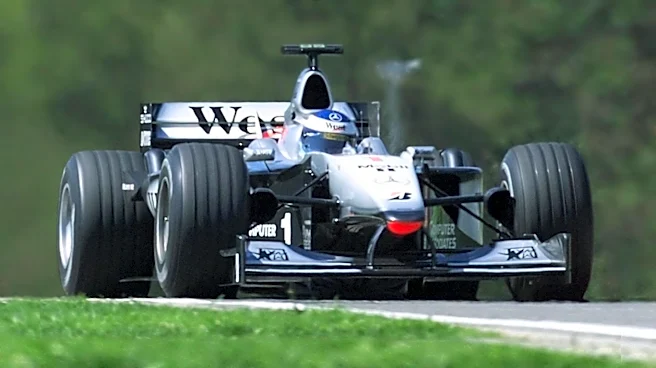
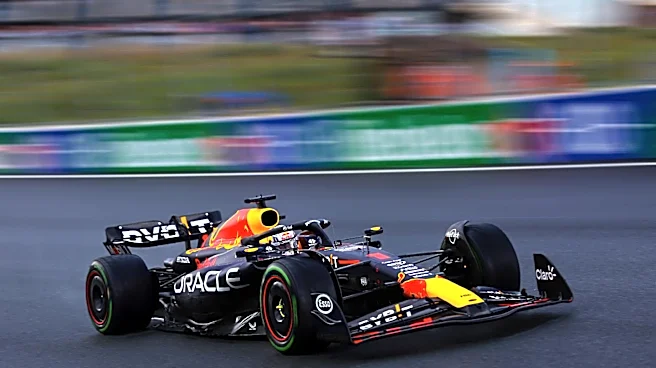
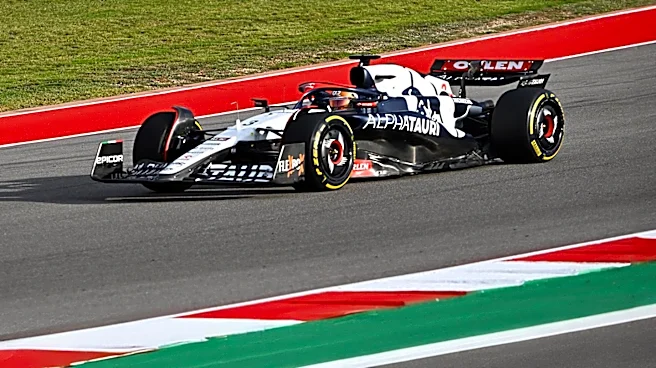
Despite the absence of major circuit racing events within Switzerland for over half a century, the nation became a preferred home for some of motorsport's biggest names. Legendary figures like Michael Schumacher, Nick Heidfeld, Kimi Räikkönen, Fernando Alonso, Lewis Hamilton, Sébastien Loeb, and Sebastian Vettel all established residences in Switzerland. This trend suggests that while the country did not host the races these drivers competed in, it offered other significant advantages that attracted them. One frequently cited reason for these residential choices was tax purposes, indicating that Switzerland's financial environment was more favorable for high-earning athletes.
The presence of these elite drivers within Switzerland created an interesting dynamic. They lived and trained in a country where their primary professional activity, circuit racing, was prohibited. This meant that while they contributed to the global image of motorsport and were celebrated worldwide, their direct professional endeavors were largely external to their country of residence. The ban, however, did not extend to all forms of motorsport, with rallying, motocross, supermotard, enduro, and trials remaining permissible. This allowed for some domestic motorsport activity, but not the high-speed circuit racing that defined the careers of these international stars.
The Shifting Landscape of Swiss Motorsport
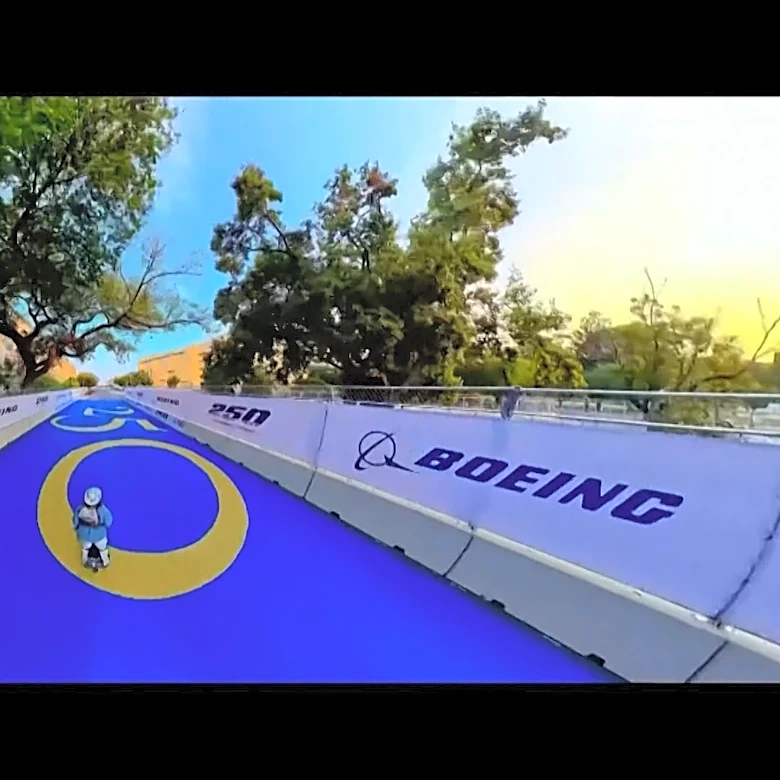
The long-standing ban on circuit racing began to see changes in the 21st century. In 2015, the Swiss government relaxed the law to permit head-to-head racing specifically for electric vehicles. This partial lifting of the ban led to the historic Zürich ePrix in June 2018, which was the first motor race in Switzerland in 63 years. This event, part of the all-electric Formula E championship, marked a significant step towards the reintroduction of competitive racing within the country, albeit with a focus on sustainable technology.
The full legalization of motorsport in Switzerland is now on the horizon. A law passed in May 2022 is set to repeal Article 52 of the Road Traffic Act, the provision that enforced the ban for 71 years. As of June 1, 2026, Swiss motorsport as a whole will be legalized. This upcoming change will finally align Switzerland's domestic sporting regulations with its status as a home for many of the world's top racing talents, potentially opening new opportunities for motorsport development and events within the country.