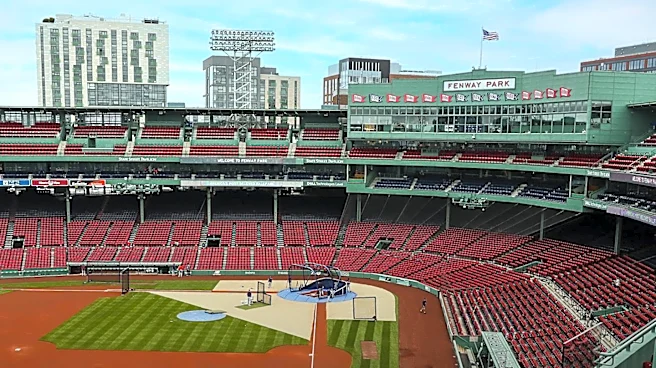






The 1961 Major League Baseball All-Star Game held at Fenway Park in Boston marked a significant moment in baseball history. Played on July 31, 1961, this game was notable for being the first MLB All-Star Game to end in a tie, a rare occurrence that would not happen again until 2002. This article delves into the details of the game, the players involved, and the circumstances that led to this unique outcome.
The Game's Progression
The game began with a promising start for
the American League, thanks to Rocky Colavito's one-out home run in the bottom of the first inning off National League starter Bob Purkey. This early lead set the tone for the American League, but Purkey managed to regain control, allowing only two walks in the second inning. Art Mahaffey then took over, pitching a scoreless third and fourth inning, with only a leadoff walk to Mickey Mantle in the fourth.
The American League struggled to maintain their momentum against the National League's pitchers, Sandy Koufax and Stu Miller, managing only three more hits throughout the game. Meanwhile, American League starter Jim Bunning delivered an impressive performance, pitching three perfect innings before Don Schwall took over.
The National League's Response
The National League found their opportunity in the sixth inning when Don Schwall allowed a bases-loaded single to Bill White, tying the game at 1-1. All five hits by the National League were charged to Schwall, highlighting the pressure he faced during his time on the mound. Despite this setback, Camilo Pascual stepped in for the American League, pitching three shutout innings to keep the game tied.
The game continued with both teams unable to break the deadlock, showcasing the competitive nature of the All-Star event. The players' determination and skill were evident, as they battled through nine innings without a decisive winner.
The Impact of the Tie
The game was eventually called due to rain, resulting in a 1-1 tie after nine innings. This outcome was unprecedented in MLB All-Star history, adding a unique chapter to the sport's narrative. The tie highlighted the unpredictable nature of baseball and the challenges faced by players in maintaining their performance under varying conditions.
This game was part of a series of two All-Star games held in 1961, a practice from 1959 to 1962 aimed at increasing funds for the players' pension. The tie at Fenway Park remains a memorable moment, reflecting the competitive spirit and resilience of the players involved.