


Balasana, or Child Pose, is a fundamental posture in modern yoga, valued for its calming and restorative effects. Often used as a counterpose, Balasana provides a moment of rest and reflection during yoga sessions. This article delves into the functional role of Balasana in yoga practice, highlighting its benefits and applications.
A Counterpose for Intense Asanas
In yoga, counterposes are used to balance the effects of more strenuous postures. Balasana serves this purpose effectively,
particularly after inversions like Sirsasana (Headstand). By allowing the body to rest in a gentle forward fold, Balasana helps to release tension in the back, shoulders, and neck, which can accumulate during more demanding asanas.
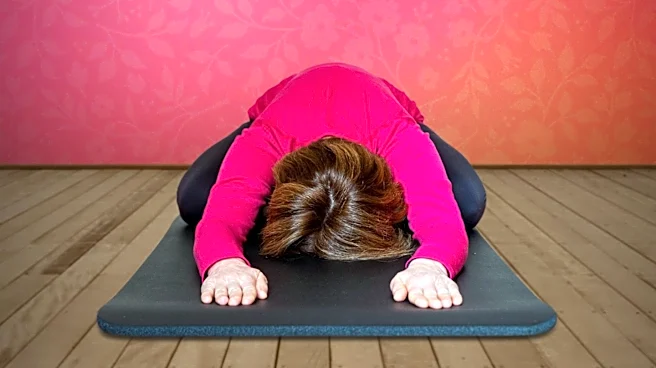
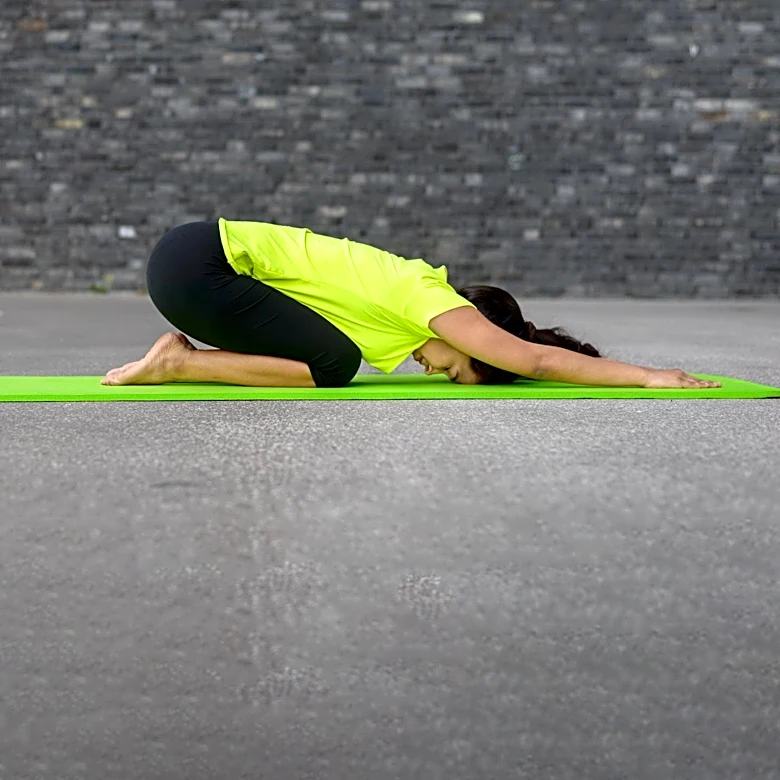
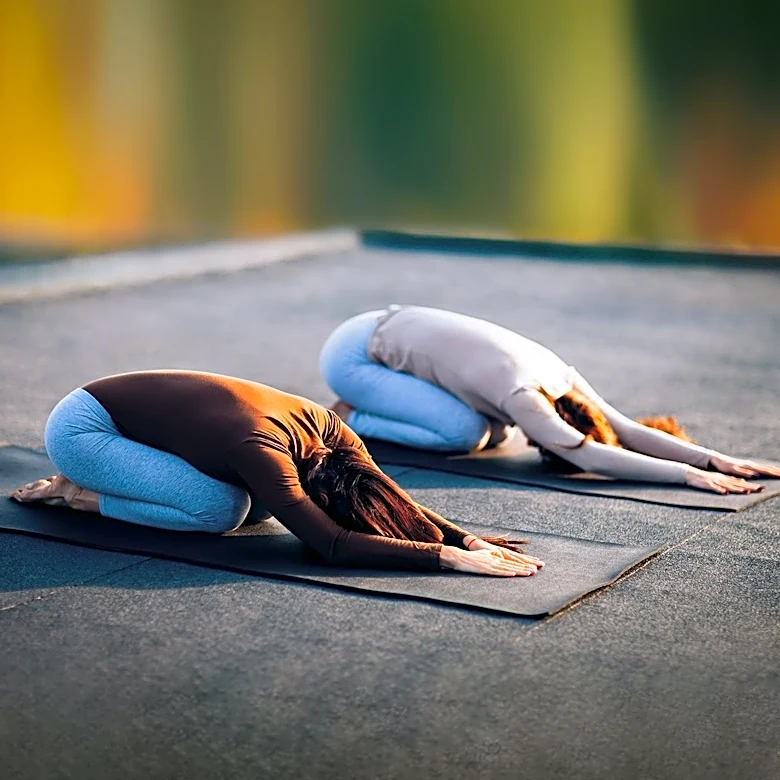
The simplicity of Balasana makes it an ideal counterpose. Practitioners kneel, bring their forehead to the floor, and relax their arms alongside their body. This position encourages a sense of grounding and stability, helping to calm the mind and body after challenging sequences. The pose's restorative nature is further enhanced by its ability to be held for extended periods, allowing for deep relaxation.
Relaxation and Mindfulness
Beyond its role as a counterpose, Balasana is a powerful tool for relaxation and mindfulness. The posture encourages practitioners to focus on their breath and tune into their body's sensations. This inward focus can help reduce stress and anxiety, promoting a sense of peace and well-being.
Balasana's calming effects are particularly beneficial in restorative yoga practices, where the emphasis is on relaxation and recovery. By providing a safe and supportive environment, Balasana allows practitioners to let go of physical and mental tension, facilitating a deeper connection with their inner selves.
Adaptability and Accessibility
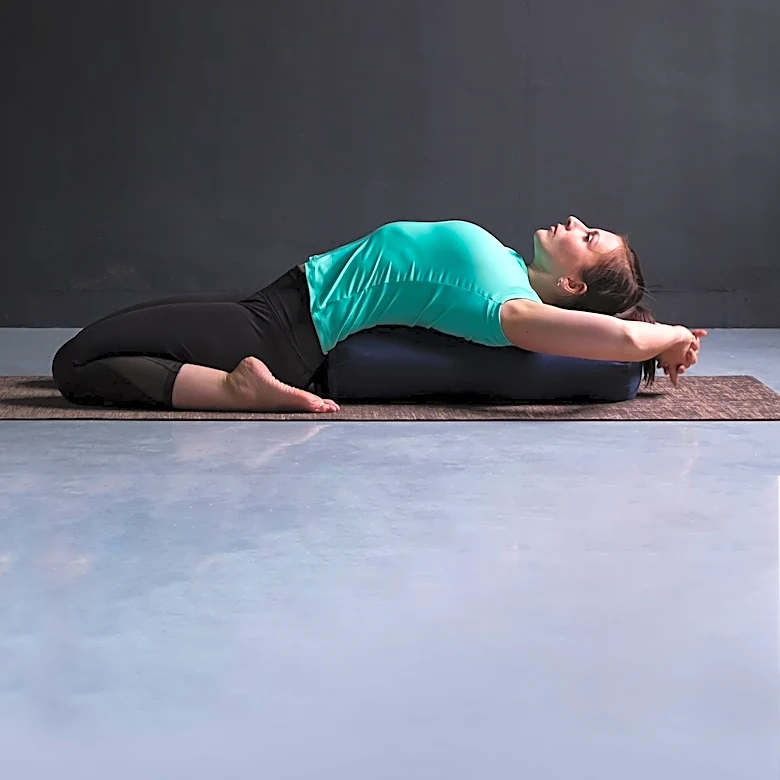
One of the key strengths of Balasana is its adaptability. The pose can be modified to suit different body types and flexibility levels, making it accessible to a wide range of practitioners. For those with limited mobility or discomfort in the knees, a rolled blanket can be placed under the hips for added support.
During pregnancy, Balasana can be adjusted by spreading the knees apart to accommodate the growing belly. The arms can also be extended forward to provide additional support and comfort. These modifications ensure that Balasana remains a versatile and inclusive posture, suitable for practitioners of all ages and abilities.
In conclusion, Balasana plays a vital role in yoga practice, offering a moment of rest and introspection amidst more challenging sequences. Its calming and restorative effects make it an essential tool for relaxation and mindfulness, while its adaptability ensures that it can be enjoyed by everyone.