

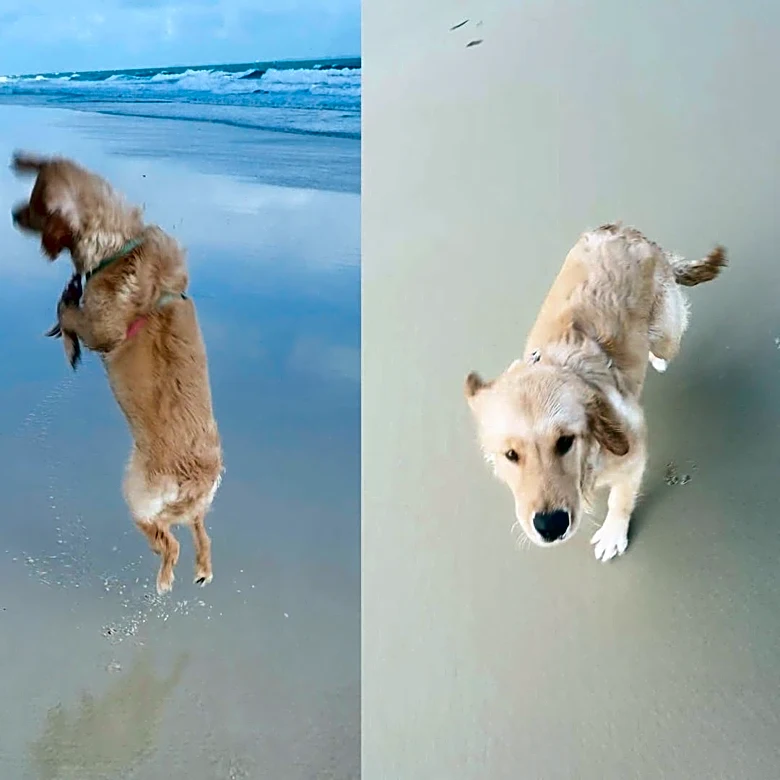






The Blue Lacy, also known as the Lacy Dog, holds a unique place in the history and culture of Texas, having been officially recognized as the state dog in 2005. This working dog breed originated in Texas in the mid-19th century, developed by the Lacy brothers who had moved to the state from Kentucky in 1858. Its journey from a practical working animal on ranches to a symbol of Texan heritage is a testament to its enduring qualities and the deep connection
it forged with its human companions.
Origins and Early Development in Texas
The breed's story began with the Lacy brothers, who settled in Texas and set about creating a versatile working dog suited to the demanding tasks of ranch life. The Blue Lacy is considered a crossbreed, with its lineage believed to include greyhounds, driving dogs, and cattle dogs. Some historical accounts even suggest the possible inclusion of prairie wolves or indigenous pariah dogs in its genetic makeup, though the latter is considered more probable than the former.
This blend of breeds was carefully selected to produce an animal capable of herding cattle and hunting wild pigs, tasks that were crucial for the livelihoods of Texas ranchers. The development of the Blue Lacy was not merely about creating a dog; it was about crafting a tool essential for survival and success in the rugged Texan landscape. The breed's close association with the Catahoula Leopard Dog, another working breed, further highlights its roots in practical utility.
Path to Official State Recognition
The Blue Lacy's journey to becoming the official state dog was a gradual process, reflecting its growing recognition and appreciation within Texas. The Texas Senate first acknowledged the Lacy Dog in 2001 through Senate Resolution No. 436. This resolution, passed by the 77th Legislature, honored the Lacy as a "true Texas dog breed," marking a significant step in its public recognition.
This initial legislative acknowledgment paved the way for its ultimate designation. In June 2005, Governor Rick Perry signed legislation that officially adopted the Blue Lacy as the "official state dog breed of Texas." This act solidified the breed's status as a cherished symbol of the state, celebrating its historical significance and its contributions to Texan life. The recognition underscored the breed's deep ties to the state's ranching and hunting traditions.
Characteristics and Modern Presence
Today, the Blue Lacy is known for its robust and agile build, possessing a light yet proportionally balanced bone structure. Its height at the shoulder typically ranges from 43 to 56 cm (17 to 22 inches). Weight varies depending on height and living conditions, generally falling between 11–20 kg (25 to 45 lb) for females and 16–25 kg (35 to 55 lb) for males. The breed's coat is fine, and its colors include blue, red, and tricolor variations.
While the majority of Blue Lacys are still found in Texas, the breed's recognition has led to the establishment of breeding populations across the United States, Canada, and more recently, in Europe. Despite its official state dog status, the Blue Lacy is not recognized by major international kennel clubs such as the FCI or AKC, nor by national clubs like the SKK or KC. This lack of recognition by traditional kennel clubs does not diminish its importance or popularity, particularly among those who value its working capabilities and its unique Texan heritage.