




The Gemini 10 mission, launched on July 18, 1966, was a groundbreaking endeavor in the realm of space exploration. As part of NASA's Gemini program, this mission was notable for achieving the first double rendezvous in space, a feat that demonstrated the potential for complex orbital maneuvers. Commanded by John Young with pilot Michael Collins, Gemini 10 set new standards for space navigation and rendezvous techniques, paving the way for future missions
that would require precise orbital operations.
Achieving the First Rendezvous
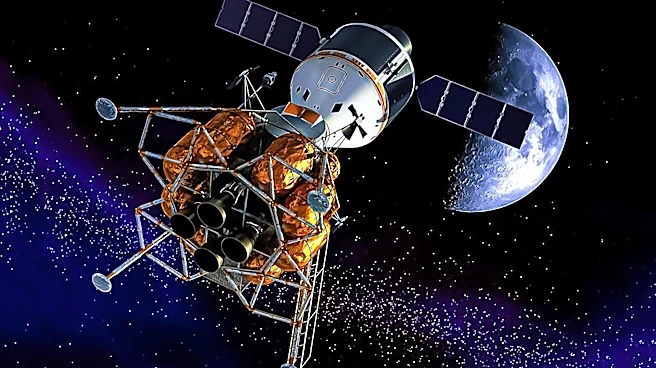
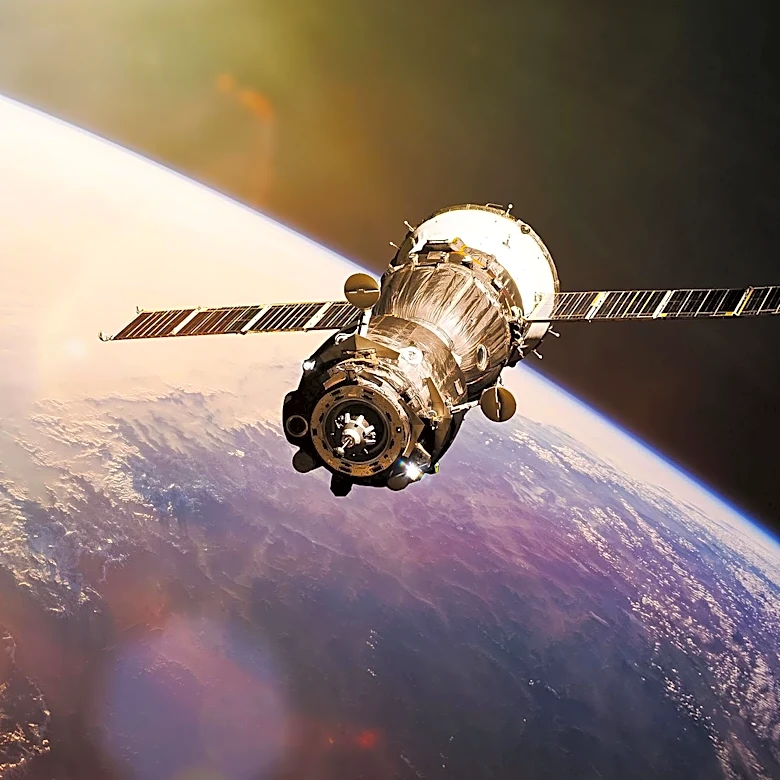
The Gemini 10 mission began with the successful launch of the Agena Target Vehicle (ATV), followed by the Gemini spacecraft. The crew's first task was to rendezvous and dock with the Agena, a maneuver that required precise calculations and execution. Despite challenges such as consuming a significant portion of their fuel, Young and Collins successfully docked with the Agena, marking a major milestone in space navigation.
This docking allowed the crew to utilize the Agena's rocket, propelling them to an unprecedented altitude of 412.4 nautical miles. This achievement demonstrated the potential for using external propulsion systems to reach higher orbits, a capability that would be crucial for future missions aiming to explore further into space.
The Second Rendezvous
Following the first docking, Gemini 10 embarked on a second rendezvous with the derelict Agena left over from the aborted Gemini 8 flight. This marked the program's first double rendezvous, accomplished without radar, relying solely on visual navigation. The crew's ability to locate and approach the inactive Agena demonstrated the feasibility of rendezvousing with passive objects in space.
The second rendezvous was a testament to the crew's skill and the capabilities of the Gemini spacecraft. It showcased the potential for complex orbital operations, a necessity for future missions that would involve multiple spacecraft and intricate maneuvers.
Implications for Future Missions
The success of the Gemini 10 mission in achieving a double rendezvous had significant implications for future space exploration. It demonstrated the feasibility of complex orbital maneuvers, paving the way for missions that would require precise navigation and docking techniques. The ability to rendezvous with passive objects in space opened new possibilities for satellite servicing and debris removal.
Gemini 10's achievements in space navigation and rendezvous set new standards for future missions, contributing to the development of techniques that would be essential for the Apollo program and beyond. The mission's success in executing a double rendezvous remains a testament to the ingenuity and determination of the early space explorers.