




The 20th century was a period of immense social upheaval and transformation, and nowhere is this more evident than in the evolving landscape of hairstyles. From the practical cuts necessitated by wartime to the rebellious expressions of counterculture movements, hair became a visible canvas for societal shifts, gender roles, and individual identity. The way people styled their hair, often influenced by movie stars, political movements, and technological
advancements, provides a fascinating lens through which to view a century of change.
At the dawn of the 20th century, women's hair was often elaborately dressed, but the First World War marked a significant turning point. The demands of wartime led women to adopt shorter, more manageable hairstyles. This practical shift paved the way for the iconic looks of the post-war era, such as the bob, shingle, and crop cuts. These styles, often paired with small, head-hugging cloche hats, were not just fashion statements; in Europe and the U.S., the bob was widely seen as a symbol of women's liberation, reflecting a growing desire for independence and a break from more restrictive traditions. The 1920s and 1930s also saw the rise of marcelling, creating deep waves with heated irons, and the popularization of durable permanent waving, despite it being an expensive, uncomfortable, and time-consuming process involving steam or dry heat machines.
Men's Styles: From Pomade to Military Influence
Men's hairstyles in the early 20th century were also influenced by popular culture, particularly movie stars like Douglas Fairbanks Jr. and Rudolph Valentino. Men typically wore their hair short, parted on the side or in the middle, or combed straight back. Pomade, creams, and tonics were essential products to keep these styles in place. However, the onset of the Second World War brought another significant change. Men's haircuts grew shorter, mimicking the military crewcut, a practical and uniform style that reflected the widespread military involvement and the disciplined ethos of the era. This shift highlighted how national events could directly influence personal grooming choices, emphasizing utility and conformity during times of conflict.
Post-War Evolution and Counterculture Expressions
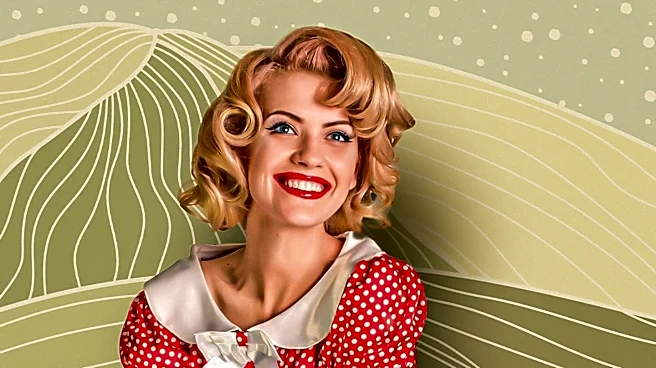
Following World War II, women's hairstyles began to soften, moving towards more natural looks. The early 1950s saw a variety of curled styles and lengths, while the later 1950s introduced the dramatic high bouffant and beehive styles, sometimes nicknamed "B-52s" due to their resemblance to the bomber's bulbous nose. These elaborate styles often required significant maintenance, with many women washing and setting their hair only once a week, relying on curlers nightly and daily re-teasing and re-spraying. The 1960s brought a contrast, with many women opting for short, modern cuts like the pixie, while the 1970s favored longer, looser hair, with both men and women often wearing their hair very long and straight.
The latter half of the century also saw hairstyles become potent symbols of counterculture and identity. The emergence of movements like the hippies led to the adoption of long, natural hair as a symbol of opposition to societal norms. From the 1950s onward, various groups used hairstyles to express their unique ideologies. Skinheads, for example, shaved much of their hair in direct contrast to the hippies, while the punks of the late 1970s sought to cause outrage with unique styles like the mohawk and unnatural hair colors. These diverse expressions underscore how hairstyles transcended mere fashion, becoming powerful statements of rebellion, belonging, and personal philosophy throughout the tumultuous 20th century.