






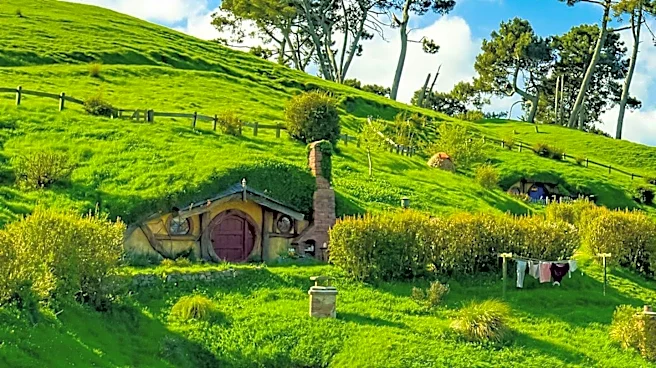


In the realm of literature and other artistic media, the term "mode" serves as an unspecific critical designation. It typically refers to a broad yet identifiable kind of literary method, mood, or manner that is not exclusively tied to a particular form or genre. This concept allows for a more flexible understanding of artistic expression, moving beyond rigid classifications to appreciate the underlying approaches authors employ. Examples of such
modes include the satiric, the ironic, the comic, the pastoral, and the didactic, each representing a distinct way of engaging with a subject or conveying a message.
Understanding literary modes helps in analyzing how a work achieves its effect, regardless of whether it's a novel, a poem, or a play. It provides a lens through which to examine the pervasive qualities that shape a text's interaction with its audience. Unlike genres, which often dictate structural and thematic conventions, modes describe the overarching spirit or technique that can manifest across various forms.
Distinguishing Modes from Other Literary Elements
It's important to differentiate literary modes from other narrative elements and stylistic choices. While elements like narration, point-of-view, setting, and style contribute to a work's overall impact, modes operate on a more fundamental level, describing the inherent approach. For instance, narration can be first-person or multiple, and a setting might be a dystopia or a utopia, but the mode describes the broader intention behind these choices, such as a satiric commentary on society or an ironic twist of fate.
Literary devices like imagery, irony, and motif are tools used within a mode, rather than being modes themselves. For example, irony can be a key component of the ironic mode, but the mode encompasses the entire framework of ironic presentation, not just isolated instances of ironic language. Similarly, mood and tone, while closely related, are distinct. Mood refers to the atmosphere or emotional feeling a work creates for the reader, while tone reflects the author's attitude. A mode, however, can encompass both the intended mood and the author's tone as part of its broader method.
The Role of Modes in Fiction Writing
Beyond these general literary modes, fiction writing itself employs distinct forms of expression, or modes, each with its own purposes and conventions. Agent and author Evan Marshall identifies five fiction-writing modes: action, summary, dialogue, feelings/thoughts, and background. Author and writing instructor Jessica Page Morrell lists six delivery modes for fiction writing: action, exposition, description, dialogue, summary, and transition. Author Peter Selgin refers to methods including action, dialogue, thoughts, summary, scene, and description.
These specific fiction-writing modes are crucial for crafting a narrative effectively. For example, summarization, also known as narrative summary, is a mode where story events are condensed, telling the reader what happens rather than showing it. This technique is useful for connecting different parts of a story, reporting less important details, telescoping time, conveying an emotional state over an extended period, and varying the rhythm of the writing. The main advantage of summary is its efficiency in taking up less space. However, authors like Orson Scott Card emphasize the need for a balance between showing and telling, and between action and summarization, to achieve the right rhythm, pace, and tone in a story.