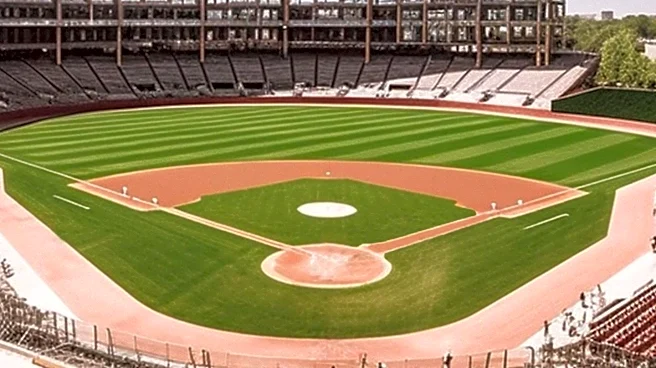









Wrigley Field, the iconic home of the Chicago Cubs, stands as a testament to the rich history and enduring spirit of baseball in Chicago. Since its opening in 1914, Wrigley Field has been more than just a ballpark; it is a symbol of tradition and a beloved landmark in the city. Known for its unique features and storied past, Wrigley Field continues to captivate fans and players alike.
A Historic Venue with Unique Features
Wrigley Field first opened its doors in 1914 as Weeghman Park, serving
as the home for the Chicago Whales of the Federal League. After the league folded, the Cubs played their first game at the park in 1916. Over the years, the stadium underwent several name changes, finally becoming Wrigley Field in 1927 after William Wrigley Jr. acquired the Cubs.
One of the most distinctive features of Wrigley Field is its ivy-covered brick outfield wall, which adds a touch of natural beauty to the ballpark. The stadium is also known for its hand-turned scoreboard, a nostalgic reminder of baseball's past. Situated in a residential neighborhood, Wrigley Field lacks parking lots, allowing fans to enjoy views from the rooftops behind the outfield. These unique characteristics contribute to the stadium's charm and make it a cherished venue for baseball enthusiasts.
Renovations and Modernization Efforts
Despite its historic charm, Wrigley Field has undergone several renovations to enhance the fan experience and modernize its facilities. The "1060 Project," initiated by the Ricketts family, aimed to preserve the stadium's historic character while introducing modern amenities. This extensive renovation included expanding the bleachers, adding video scoreboards, and improving player facilities.
In 2020, Wrigley Field was awarded National Historic Landmark status, recognizing its significance in American baseball history. This designation not only honors the stadium's past but also ensures its preservation for future generations. The renovations have successfully balanced the need for modernization with the desire to maintain the stadium's historic integrity, allowing Wrigley Field to continue serving as a beloved venue for Cubs fans.
A Venue of Memorable Moments
Wrigley Field has been the backdrop for countless memorable moments in baseball history. From hosting the Chicago Bears and the Chicago Cardinals in the early 20th century to witnessing the Cubs' 2016 World Series victory, the stadium has played a central role in the city's sports culture.
The unpredictable wind patterns at Wrigley Field add an element of excitement to games, with the potential to turn routine fly balls into home runs. This unique feature, combined with the stadium's historic charm, creates an unforgettable experience for fans and players alike. As the Cubs continue to make history at Wrigley Field, the stadium remains a symbol of the enduring spirit of baseball in Chicago.
Wrigley Field's rich history and unique features make it a beloved landmark in the world of baseball. As the home of the Chicago Cubs, it continues to inspire fans and players, serving as a testament to the enduring legacy of America's pastime.