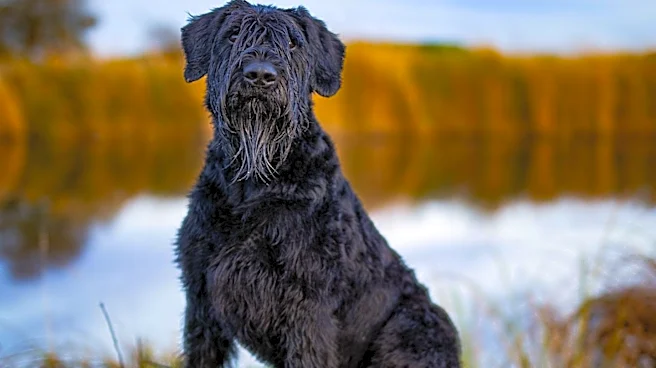


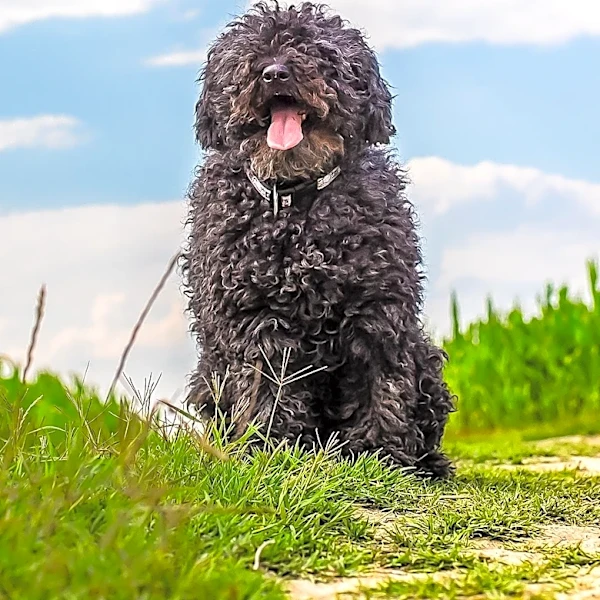







The Giant Schnauzer is a breed with a fascinating genetic background. While it shares some common ancestry with other Schnauzer breeds, it also has unique genetic ties to other well-known dog breeds. Understanding the genetics of the Giant Schnauzer provides insight into its characteristics and how it fits into the broader canine family.
Genetic Ancestry and Related Breeds
The Giant Schnauzer shares a haplotype with the Standard and Miniature Schnauzers, indicating a common genetic ancestry.
However, it also forms a separate phylogenetic node, which sets it apart from its Schnauzer relatives. This unique genetic position is shared with breeds such as the Black Russian Terrier, the Rottweiler, and the Doberman Pinscher.
These genetic connections highlight the Giant Schnauzer's relationship with other large, working breeds. The shared ancestry with the Rottweiler and Doberman Pinscher, in particular, underscores the breed's suitability for roles that require strength, intelligence, and protective instincts. This genetic background has contributed to the Giant Schnauzer's development as a versatile and capable working dog.
Genetic Studies and Findings
Several genetic studies have explored the ancestry and characteristics of the Giant Schnauzer. In a 2017 Whole Genome Sequencing (WGS) study, the breed was found to share common ancestry with spitz-type breeds, such as the American Eskimo Dog and the Pomeranian. This finding suggests that the Giant Schnauzer's genetic makeup is more diverse than previously thought.
Another study focused on the genetic variants responsible for the development of short tails among dog breeds. The Giant Schnauzer, along with the Rottweiler, was found to have a short tail phenotype caused by unknown genetic factors. This discovery indicates that the breed's physical traits may have developed independently from other breeds with similar characteristics.
Implications for Breeding and Health
Understanding the genetic background of the Giant Schnauzer has important implications for breeding and health management. By identifying the breed's genetic connections and unique traits, breeders can make informed decisions to maintain the breed's health and vitality. Additionally, knowledge of the breed's genetic predispositions can help in the early detection and management of potential health issues.
Overall, the genetic study of the Giant Schnauzer provides valuable insights into its development and characteristics. As research continues, it will further enhance our understanding of this remarkable breed and its place within the canine world.