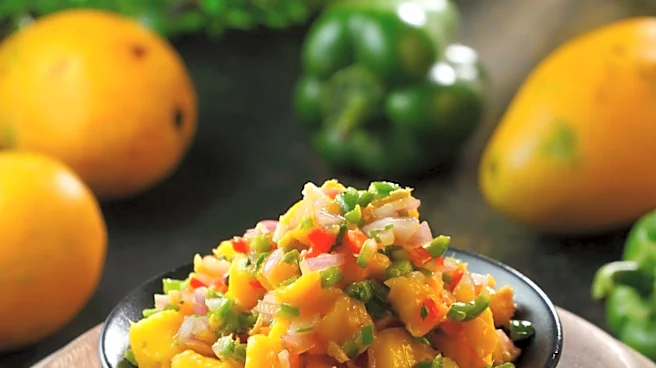

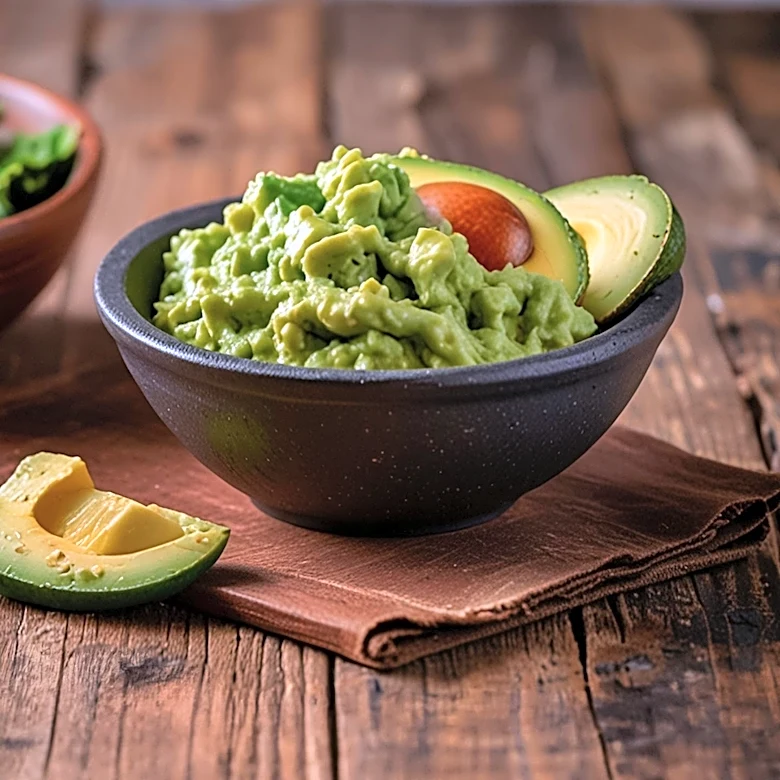


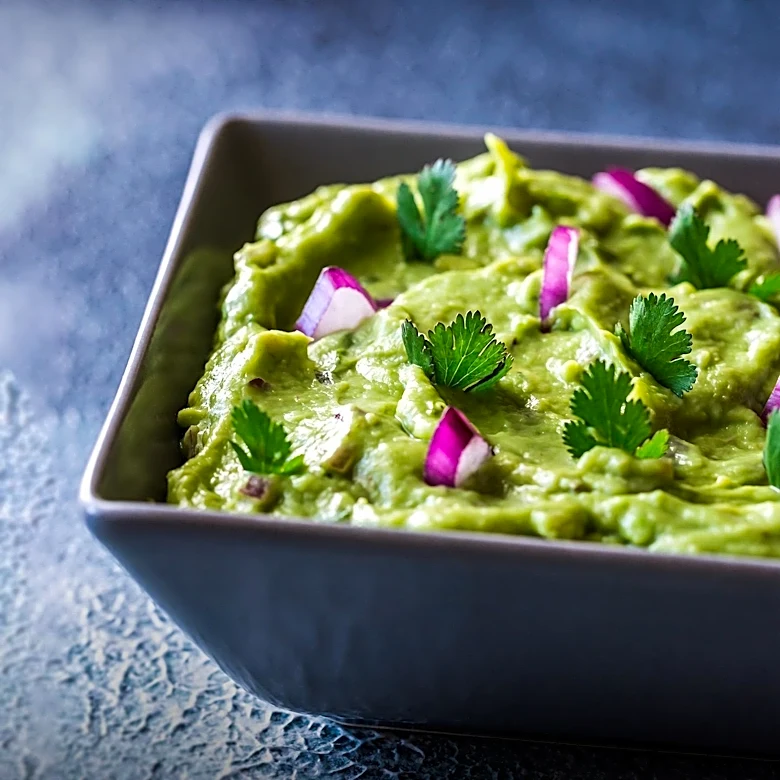





Salsa is a beloved condiment in Mexican cuisine, known for its vibrant flavors and versatility. While it enhances the taste of many dishes, salsa also presents certain health considerations that are important to address. This article explores the health aspects of salsa, focusing on its nutritional benefits and the importance of proper storage and preparation.
Nutritional Benefits of Salsa
Salsa is often praised for its nutritional benefits, as it is typically made with fresh ingredients
like tomatoes, peppers, onions, and cilantro. These components are rich in vitamins and antioxidants, contributing to a healthy diet. Tomatoes, a primary ingredient in salsa, are a good source of vitamin C and lycopene, an antioxidant linked to various health benefits.
Peppers, another key ingredient, provide vitamin A and capsaicin, which may have anti-inflammatory properties. The inclusion of onions and cilantro adds additional nutrients and flavor, making salsa not only a tasty addition to meals but also a nutritious one. As a low-calorie condiment, salsa can be a healthy choice for those looking to enhance their dishes without adding excessive calories.
Importance of Proper Storage
Despite its health benefits, salsa requires careful handling to ensure safety. The World Health Organization emphasizes the importance of proper preparation and storage, as many raw-served varieties can act as growth media for potentially dangerous bacteria, especially when unrefrigerated. In 2002, a study found sauces contaminated with E. coli in a significant percentage of restaurants tested in Guadalajara, Mexico, and Houston, Texas.
To prevent foodborne illnesses, refrigeration is key to safe salsa storage. A 2010 paper on salsa food hygiene highlighted the importance of maintaining a low pH level, achieved by adding fresh lime juice, to inhibit bacterial growth. Additionally, fresh garlic, rather than powdered garlic, can help prevent the growth of Salmonella, further ensuring the safety of homemade salsa.
Safe Practices in Salsa Preparation
When preparing salsa, it is crucial to use fresh, high-quality ingredients and maintain proper hygiene standards. Washing produce thoroughly and using clean utensils can reduce the risk of contamination. For those making salsa at home, it is advisable to store it in the refrigerator and consume it within a few days to ensure freshness and safety.
By understanding the health aspects and safety considerations of salsa, individuals can enjoy this flavorful condiment while minimizing potential risks. With proper preparation and storage, salsa can continue to be a delicious and nutritious addition to meals, enhancing both flavor and health.