
Cantonese cuisine is renowned for its diverse and sophisticated cooking techniques, which play a crucial role in creating its distinctive flavors. This article delves into the various methods used in Cantonese cooking,
highlighting how they contribute to the cuisine's unique appeal.
Steaming and Stir-Frying
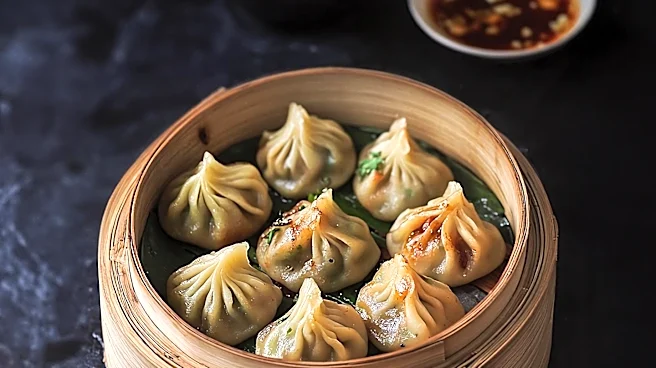
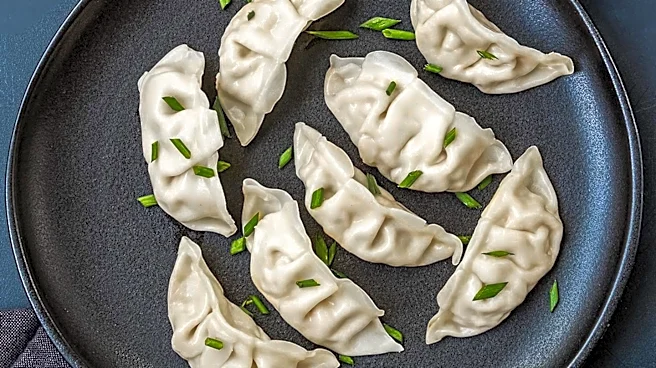
Steaming and stir-frying are two of the most favored cooking methods in Cantonese cuisine. Steaming is prized for its ability to preserve the natural flavors and nutrients of the ingredients. It is often used for delicate items like fish and dim sum, allowing the subtle flavors to shine through without being overwhelmed by heavy sauces or spices.
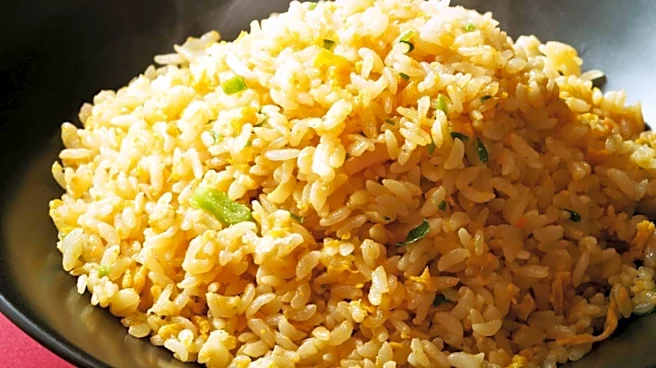
Stir-frying, on the other hand, is a quick and efficient method that involves cooking ingredients over high heat while constantly stirring. This technique helps to lock in flavors and create a desirable texture. The concept of "wok hay," or the energy of the wok, is central to stir-frying in Cantonese cuisine. It refers to the unique flavor imparted by the wok when ingredients are cooked at high temperatures, resulting in dishes that are both flavorful and aromatic.
Braising and Deep Frying
Braising is another popular technique in Cantonese cooking, used to tenderize tougher cuts of meat and infuse them with rich flavors. This method involves slow-cooking ingredients in a flavorful liquid, often a combination of soy sauce, wine, and spices. The result is a dish with deep, complex flavors and a melt-in-the-mouth texture.
Deep frying is also commonly used in Cantonese cuisine, particularly for creating crispy textures. Dishes like crispy fried chicken and spring rolls are examples of how deep frying can enhance the texture and flavor of ingredients. Despite the use of oil, Cantonese deep-fried dishes are typically not greasy, as the focus is on achieving a light, crisp finish.
Balancing Flavors and Freshness
A key aspect of Cantonese cooking is the emphasis on balancing flavors and maintaining the freshness of ingredients. Spices and seasonings are used sparingly to enhance, rather than overpower, the natural taste of the food. This approach ensures that the primary ingredients remain the star of the dish.
The use of fresh, high-quality ingredients is paramount in Cantonese cuisine. Chefs often source the best produce available, as the freshness of the ingredients directly impacts the overall flavor and quality of the dish. This commitment to freshness and balance is what sets Cantonese cuisine apart and continues to attract food enthusiasts worldwide.