


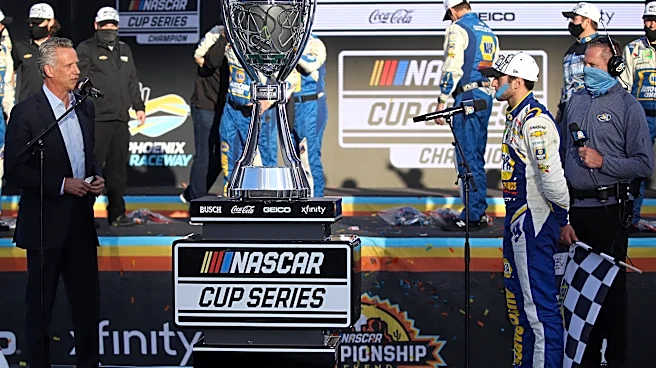
The 2005 NASCAR Nextel Cup Series marked the 57th season of professional stock car racing in the United States and the 34th in the modern-era Cup series. This season, which began on Saturday, February 12, was characterized by significant rule changes, the introduction of new car models, and a highly competitive championship battle. The ten-race Chase for the Nextel Cup, a playoff system designed to intensify the championship fight, commenced with
the Sylvania 300 on Sunday, September 18, and concluded with the Ford 400 on Sunday, November 20. The season ultimately saw Tony Stewart emerge as the champion, though his path to victory was influenced by the unique structure of the Chase.
The Chase for the Nextel Cup: A Reset in Points
Tony Stewart entered the ten-race playoff as the dominant driver, having secured five wins and amassed a substantial 209-point lead over his closest competitor, Greg Biffle, before the final race leading into the Chase. However, the Chase for the Nextel Cup system involved a points reset, which dramatically altered the championship landscape. Stewart's significant lead was reduced to a mere 5-point margin at the start of the playoffs. This reset meant that prior season performance, while crucial for qualifying, did not guarantee a continued advantage in the final stretch. The system was designed to create a more unpredictable and exciting championship conclusion, bringing more drivers into contention for the title in the final races.
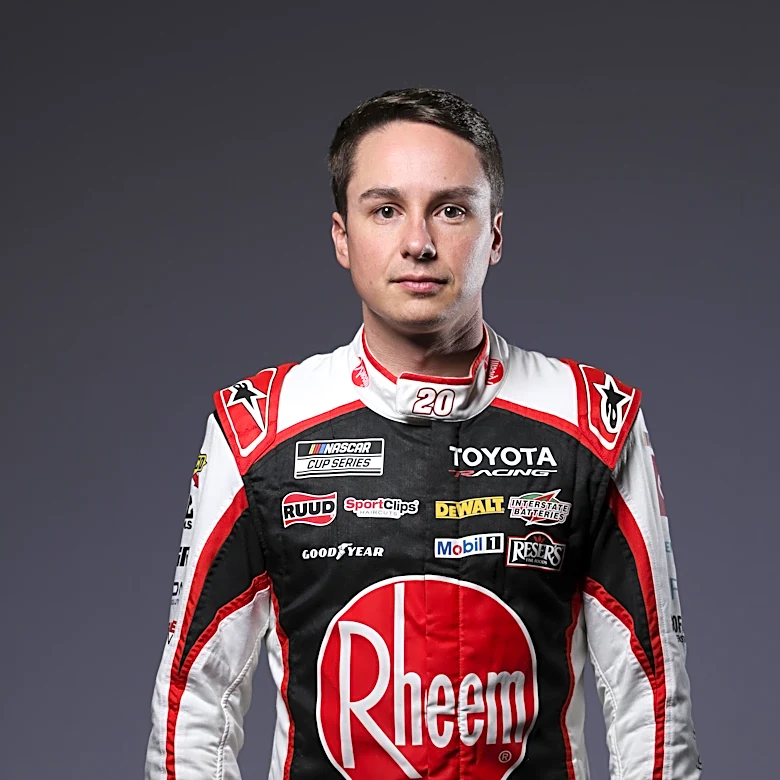
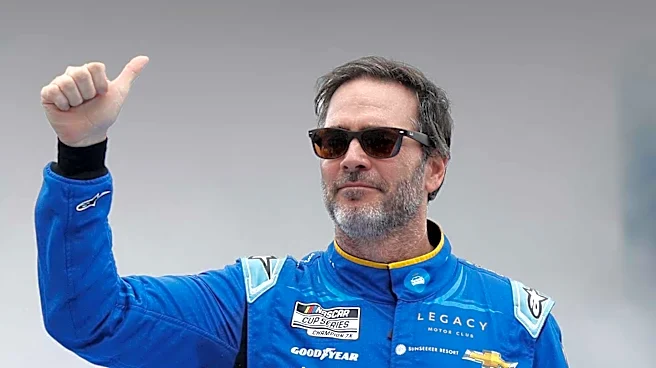
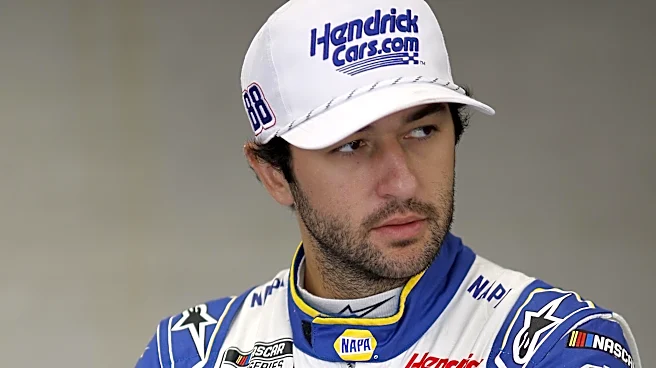
Leading into the final race before the Chase, ten racers were still mathematically vying for the final four spots in the playoff, with only one point separating Jamie McMurray in 10th from Ryan Newman in 11th. This close competition underscored the high stakes of qualifying for the Chase. Ultimately, the ten drivers who qualified for the Chase for the Cup included Greg Biffle, Kurt Busch, Mark Martin, Carl Edwards, Matt Kenseth, Jimmie Johnson, Ryan Newman, Jeremy Mayfield, Rusty Wallace, and Tony Stewart. Roush Racing demonstrated significant strength, with five of these ten final racers coming from their organization, highlighting their overall dominance leading into the playoffs.
Manufacturer Shifts and Driver Retirements
The 2005 season also brought notable changes in the manufacturer lineup and saw the retirement of prominent drivers. It was the inaugural year of competition for the Dodge Charger since 1977, replacing the Dodge Intrepid, a model that Dodge had discontinued from its consumer lineup for the 2005 model year. Despite this change, the Charger's introduction did little to significantly improve Dodge's standing, as it remained a distant third manufacturer behind Ford and Chevrolet in the NASCAR Nextel Cup. In 2004, the Intrepid had secured four wins out of 36 Cup races, while the Charger managed three wins in 2005. However, the Charger found greater success in the Busch Series, winning 10 out of 32 races.
Furthermore, 2005 marked the final year for the Ford Taurus, which was slated to be replaced by the Ford Fusion in the 2006 season. The season also saw two prominent drivers announce their retirement from NASCAR: Mark Martin and 1989 Winston Cup Champion Rusty Wallace. Wallace honored his word and retired at the season's end, concluding a career with 55 wins, 36 poles, 202 top 5s, 349 top 10s, and the 1989 Winston Cup Series Championship. Martin, however, returned for the 2006 season due to circumstances involving Roush Racing and Kurt Busch. He later ran a limited schedule in 2007 and 2008, drove full-time for Hendrick Motorsports from 2009 to 2011, securing an additional five wins, and then ran part-time before officially retiring at the end of the 2013 season. Ricky Rudd also took a break after the 2005 season but returned in early 2007.
Controversies and Rule Adjustments
Prior to the season's start, a significant controversy arose from the elimination of two races: Darlington and North Carolina Speedway in Rockingham. The removal of the Rockingham race ended NASCAR's 38-year association with the venue. These races were replaced by new events at Texas and Phoenix. NASCAR also initiated a shift in start times, moving them later in the day, a change that by 2007 saw the Daytona 500 finishing in primetime. Another notable rule change announced in January 2005 guaranteed a starting spot in each of the first five races of the season for teams whose owners were in the top 35 of the previous year's standings. This adjustment complicated the unique qualifying procedure for the Daytona 500 and significantly impacted the chances of some teams to make races if they had a poor 2004 season. After the fifth race, guaranteed starters were determined by the current season's points, allowing for changes based on race results.
The number of cars entered for each race saw a slight increase from the previous year, with the Daytona 500 experiencing a dramatic rise in car count from 45 to 56. This increase was partly attributed to a new NASCAR rule that permitted hard liquor brands to sponsor race cars. Roush Racing (Crown Royal), Richard Childress Racing (Jack Daniels), and Robby Gordon Motorsports (Jim Beam) were among the first to secure such sponsorship deals. At the close of the 2005 season, Chevrolet claimed the NASCAR Manufacturers' Championship, having won 17 events and accumulating 259 points, surpassing second-place Ford, which secured 16 victories and 246 points. The season was a dynamic period for NASCAR, marked by strategic shifts in competition, sponsorship, and the overall structure of the sport.