
Olympic National Park, located in Washington state, is a treasure trove of natural beauty and ecological diversity. Established in 1938, the park spans over 922,650 acres and is home to a variety of ecosystems
that make it a unique destination for nature enthusiasts. From the rugged Pacific coastline to the lush temperate rainforests and alpine regions, Olympic National Park offers a glimpse into the diverse natural world.
Coastal Wonders
One of the most striking features of Olympic National Park is its Pacific coastline. This region is characterized by its rugged cliffs, sandy beaches, and tide pools teeming with marine life. The coastline stretches for miles, offering visitors the chance to explore its unique geological formations and observe the diverse species that inhabit the area. The coastal ecosystem is a dynamic environment where the land meets the sea, creating a habitat for a variety of birds, mammals, and marine creatures.
The coastal areas of the park are not only visually stunning but also ecologically significant. The intertidal zones are rich in biodiversity, providing a home for sea stars, anemones, and various shellfish. The coastal forests, dominated by Sitka spruce and western hemlock, offer a lush backdrop to the dramatic seascapes. These forests are vital for maintaining the ecological balance of the region, supporting a wide range of plant and animal species.
Temperate Rainforests
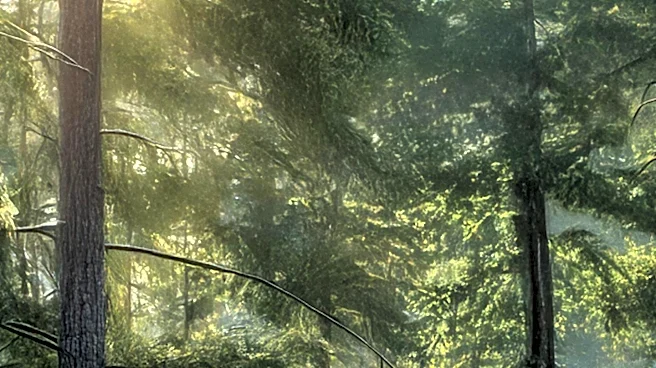
Moving inland, the park is home to some of the most pristine temperate rainforests in the United States. The Hoh Rainforest, one of the park's most famous attractions, receives an average of 140 to 170 inches of rain annually, creating a lush, green environment. The rainforest is dominated by towering trees such as Sitka spruce, western hemlock, and Douglas fir, which provide a canopy for the diverse understory of ferns, mosses, and lichens.
The temperate rainforest is a haven for wildlife, including the iconic Roosevelt elk, which roam the forest in search of food. The dense vegetation and abundant rainfall create a unique ecosystem that supports a wide variety of plant and animal life. Visitors to the rainforest can experience the tranquility of this ancient forest, where the sounds of nature fill the air and the lush greenery provides a sense of peace and serenity.
Alpine and Subalpine Regions
The alpine and subalpine regions of Olympic National Park offer a stark contrast to the lush rainforests and coastal areas. These high-altitude areas are characterized by rugged terrain, snow-capped peaks, and wildflower meadows. The subalpine forests are home to species such as mountain hemlock and subalpine fir, which are adapted to the harsh conditions of the high elevations.
In the alpine regions, the landscape is dominated by rocky outcrops and glaciers, providing a habitat for specialized plant and animal species. The alpine meadows burst into color during the summer months, with wildflowers such as lupine and paintbrush creating a vibrant display. These regions offer breathtaking views and a sense of solitude, attracting hikers and adventurers seeking to explore the park's remote and rugged beauty.