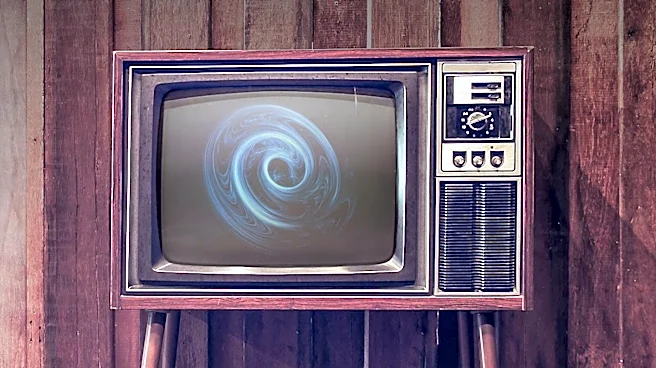








The American anthology television series, *The Twilight Zone*, which ran on CBS from 1959 to 1964, was the brainchild of Rod Serling. Serling served as the executive producer, head writer, and the iconic host and narrator of the show. His creative influence was immense, as he wrote or co-wrote 92 of the series' 156 episodes. Serling's distinctive monologues, delivered at the beginning and end of each episode, often summarized the events and explained
how characters entered "the Twilight Zone," cementing his presence as the guiding voice of the series.
The Genesis of a Groundbreaking Series
Serling's motivation for creating *The Twilight Zone* stemmed from a desire to explore controversial ideas with greater freedom than was typically allowed in more realistic television settings of the time. He believed that a science fiction backdrop would provide a unique avenue to address sensitive topics without direct interference from networks or sponsors. This approach allowed him to delve into themes that were often considered taboo, using allegory and metaphor to bypass censorship that frequently plagued his earlier works.
His 1957 pilot pitch, "The Time Element," showcased this ambition. It was a time travel adventure about a man who unsuccessfully tried to warn people in Honolulu about the impending attack on Pearl Harbor in 1941. Although initially rejected, the script was later produced as an episode of *Desilu Playhouse* in 1958, becoming a significant success. This triumph paved the way for Serling to begin production on *The Twilight Zone*, demonstrating the viability of his unique storytelling vision.
Tackling Controversial Themes Through Allegory
Serling's commitment to addressing societal issues was evident even before *The Twilight Zone*. According to comments in his 1957 anthology *Patterns*, he had been striving to tackle more controversial material. An example of this was his 1956 work, *Noon on Doomsday*, for the *United States Steel Hour*. This piece was a commentary on the defensiveness and lack of repentance Serling observed in a Mississippi town following the murder of Emmett Till.
His original script for *Noon on Doomsday* closely mirrored the Till case. However, due to network pressures, the setting was moved out of the South, and the victim was changed from an African-American to a Jewish pawnbroker, and eventually to just a foreigner in an unnamed town. This experience reinforced Serling's belief that a more fantastical setting, like that of *The Twilight Zone*, would offer him the necessary creative license to explore complex social and political themes without facing such direct censorship.
The Enduring Impact of Serling's Narrative Style
Serling's narrative style in *The Twilight Zone* was characterized by its exploration of "the cruel indifference and implacability of fate and the irony of poetic justice." Each episode presented a standalone story where characters encountered disturbing or unusual events, often culminating in a surprise ending and a moral lesson. This distinctive format, combined with Serling's direct address to the audience, created a powerful and memorable viewing experience.
The phrase "twilight zone" itself has entered the vernacular, used to describe surreal experiences, a testament to the show's profound cultural impact. Serling's ability to blend science fiction and horror with profound social commentary ensured that *The Twilight Zone* transcended mere entertainment, becoming a significant and lasting contribution to television history. His vision continues to resonate, influencing subsequent revivals and adaptations, and solidifying his legacy as a master storyteller.