







South Korea, officially known as the Republic of Korea, has emerged as a significant economic power in East Asia. With a population of about 52 million, it is recognized for its advanced economy and influential pop culture. This article delves into the factors that have contributed to South Korea's economic rise and its current status as a global economic player.
Historical Economic Development
South Korea's economic journey began in earnest after the Korean War, which ended in 1953.
The war left the country devastated, but it quickly embarked on a path of rapid industrialization and economic growth. Under the leadership of Park Chung Hee in the 1960s and 1970s, South Korea implemented a series of five-year economic development plans. These plans focused on export-oriented industrialization, which laid the foundation for the country's economic transformation.
The government's investment in infrastructure, such as the nationwide expressway system and the Seoul subway, played a crucial role in supporting industrial growth. Additionally, the establishment of family-run conglomerates, known as chaebols, like Samsung and Hyundai, became instrumental in driving economic expansion. These conglomerates received preferential treatment and were pivotal in South Korea's rise as a major exporter.
South Korea's Global Economic Position
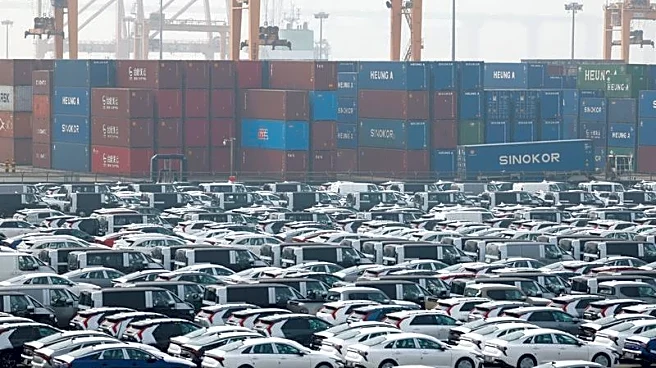
Today, South Korea boasts the 14th largest economy in the world by nominal GDP. It is the ninth-largest exporter and the tenth-largest importer globally. The country's economic success is attributed to its focus on innovation, education, and human development. South Korea consistently performs well in metrics of democratic governance and innovation, further solidifying its position as a global economic leader.
South Korea's economy is characterized by its high-tech industries, including electronics, automotive, and shipbuilding. The country is also a leader in the production of semiconductors, which are essential components in modern technology. This focus on technology and innovation has allowed South Korea to maintain its competitive edge in the global market.
Challenges and Future Prospects
Despite its economic achievements, South Korea faces several challenges. The country's population is aging rapidly, and it has one of the lowest fertility rates in the world. This demographic shift poses a threat to future economic growth and sustainability. Additionally, South Korea's economy is heavily reliant on a few large conglomerates, which can lead to vulnerabilities in times of economic downturns.
To address these challenges, South Korea is investing in green technology and sustainable development. The government has launched initiatives to boost energy efficiency and promote environmentally friendly technologies. By focusing on innovation and sustainability, South Korea aims to continue its economic growth while addressing the challenges of an aging population and environmental concerns.