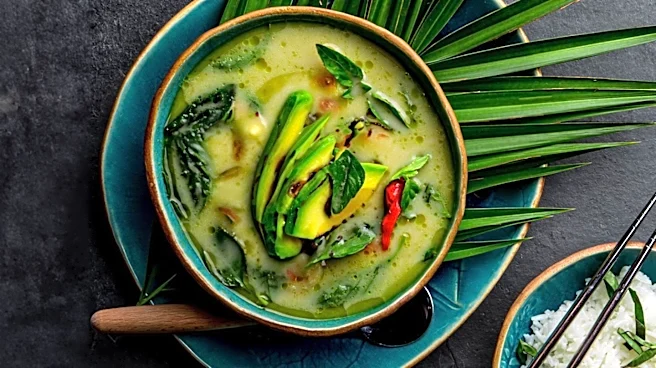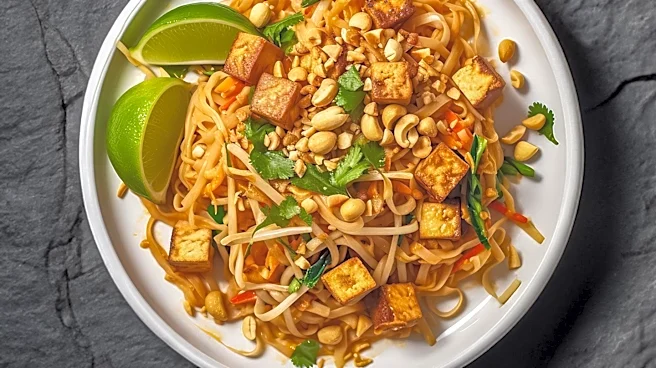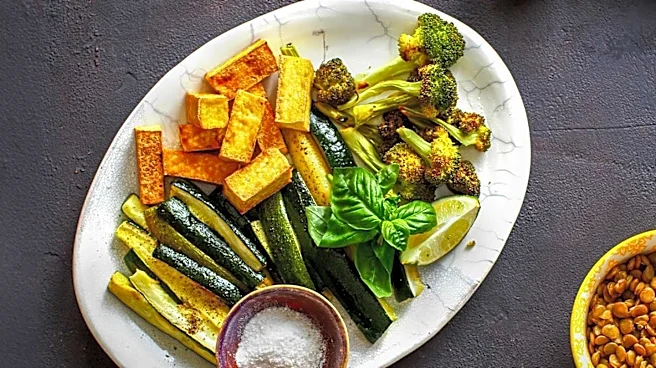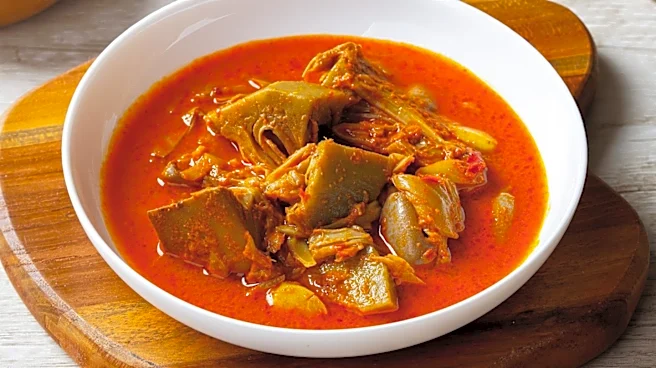







Red curry is a beloved Thai dish known for its rich flavors and aromatic spices. At the heart of this dish is the red curry paste, a blend of various ingredients that give the curry its distinctive taste. This article delves into the key components of red curry, highlighting the unique contributions of each ingredient to the overall flavor profile.
The Core Ingredients
The foundation of red curry lies in its paste, which is a complex mixture of several ingredients. Garlic
and shallots provide a savory base, while dried red chili peppers add the characteristic heat. Galangal, a relative of ginger, contributes a sharp, citrusy flavor that is essential to the paste. Shrimp paste, another crucial component, imparts a deep umami taste that enhances the overall richness of the curry.
Lemongrass and kaffir lime peel are also integral to the paste, offering a fresh, zesty aroma that balances the spiciness of the chilies. Coriander root, coriander seed, and cumin seeds add earthy undertones, while peppercorns introduce a subtle heat. These ingredients are meticulously combined to create a paste that serves as the backbone of the red curry.
The Role of Coconut Milk
Coconut milk is a vital ingredient in red curry, providing a creamy texture and a mild sweetness that tempers the heat of the chilies. When the red curry paste is cooked in coconut milk, it creates a rich, flavorful sauce that envelops the meat or vegetables added to the dish. The coconut milk not only enhances the taste but also contributes to the dish's signature soup-like consistency.
The combination of coconut milk with the spicy, aromatic paste results in a harmonious blend of flavors that is both comforting and invigorating. This balance of heat and creaminess is what makes red curry a favorite among Thai cuisine enthusiasts.
Additional Flavor Enhancers
To further elevate the flavors of red curry, several additional ingredients are often included. Fish sauce is a common additive, providing a salty, savory depth that complements the sweetness of the coconut milk. Sugar is sometimes added to enhance the natural sweetness of the dish, while chopped makrut lime leaves introduce a fragrant citrus note.
Thai eggplant, bamboo shoots, and Thai basil are popular additions that contribute texture and freshness to the curry. These ingredients not only enhance the visual appeal of the dish but also add layers of flavor that make each bite a delightful experience.
In conclusion, the ingredients of Thai red curry work together to create a dish that is both complex and satisfying. From the spicy, aromatic paste to the creamy coconut milk and fresh herbs, each component plays a crucial role in defining the unique taste of this beloved Thai dish.