



Beauty standards in South Korea have undergone significant changes over the years, influenced by cultural, social, and economic factors. From traditional ideals to modern influences, these standards have evolved to reflect the dynamic nature of South Korean society. This article explores the historical development of beauty standards in South Korea.
Traditional Beauty Ideals
Historically, South Korean beauty standards were influenced by traditional values and cultural practices.
During the Joseon Dynasty, beauty was often associated with naturalness and simplicity. Pale skin, a symbol of nobility and purity, was highly valued, while elaborate hairstyles and clothing were used to signify social status.
These traditional ideals were deeply rooted in Confucian values, which emphasized modesty and restraint. Beauty was seen as a reflection of one's inner virtues, and maintaining a natural appearance was considered a sign of moral integrity. These values shaped the perception of beauty for centuries, influencing how individuals presented themselves in society.
Modern Influences and Westernization
The modernization of South Korea in the 20th century brought significant changes to beauty standards. Western influences, particularly after the Korean War, introduced new ideals that emphasized youthfulness and individual expression. The rise of Western media and fashion played a crucial role in shaping these new standards, leading to a shift towards more diverse and dynamic beauty ideals.
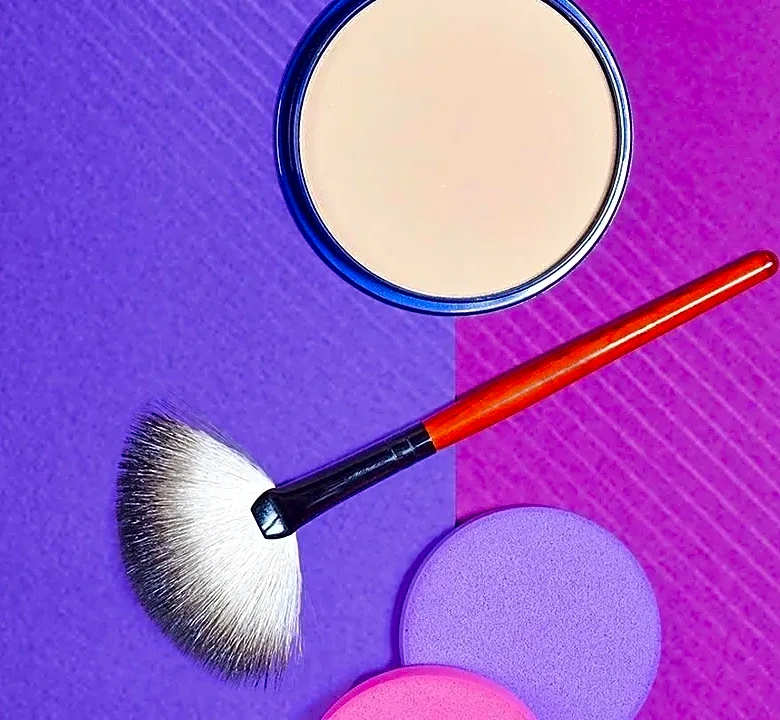
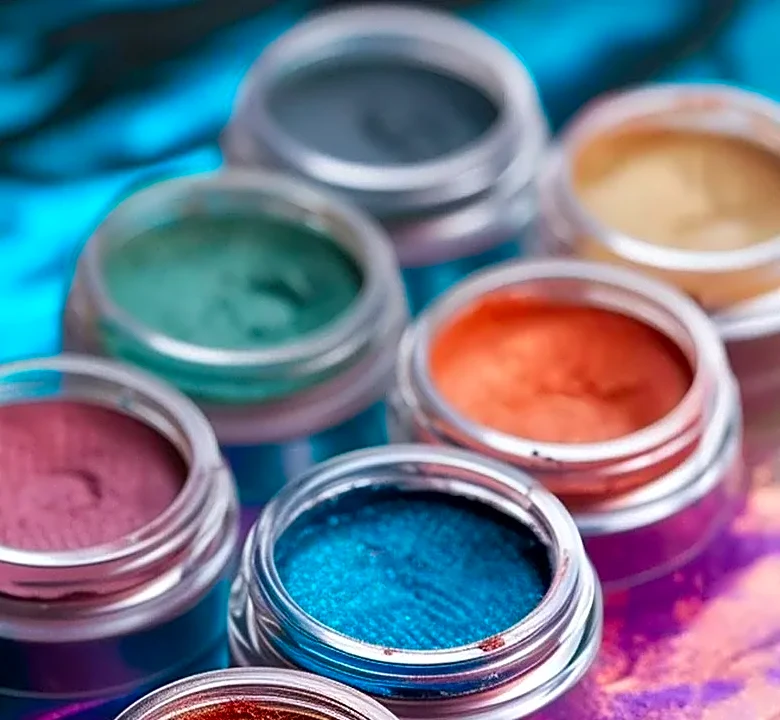
The introduction of Western beauty products and practices further transformed the landscape, with skincare and makeup becoming essential aspects of personal grooming. This period marked a departure from traditional values, as individuals began to embrace new styles and trends that reflected a more globalized perspective on beauty.
Contemporary Beauty Standards
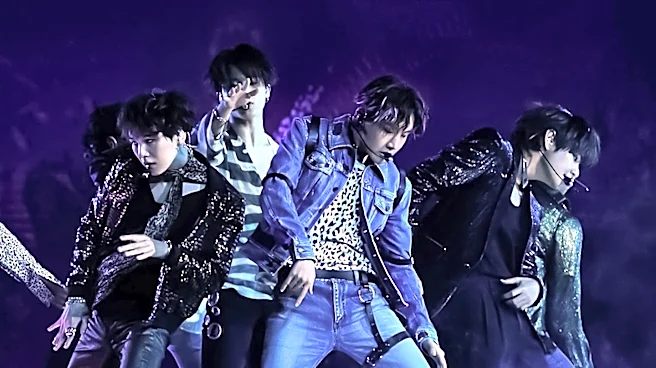
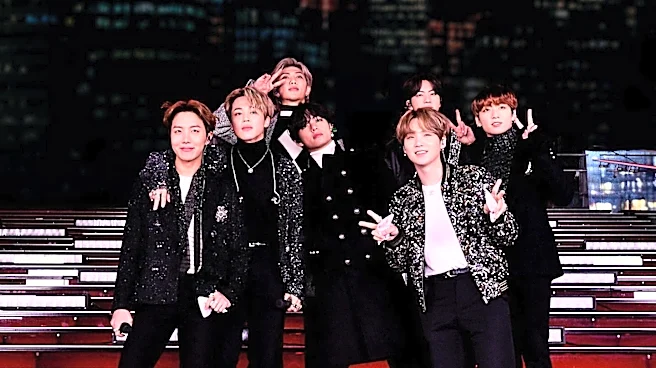
Today, South Korean beauty standards are characterized by a blend of traditional and modern influences. The emphasis on clear skin, a slim figure, and specific facial features remains, but there is also a growing appreciation for individuality and diversity. The influence of K-pop and Korean dramas has popularized certain beauty traits, such as the V-shaped jawline and aegyo-sal, which are now considered desirable.
The contemporary beauty landscape is also shaped by technological advancements, with cosmetic surgery and skincare innovations playing a significant role. These developments have made it easier for individuals to achieve their desired appearance, further reinforcing the importance of beauty standards in South Korean society.
In conclusion, the evolution of beauty standards in South Korea reflects the country's cultural and social transformations. From traditional values to modern influences, these standards continue to shape personal identities and societal expectations, highlighting the dynamic nature of beauty in South Korea.