
On October 6, 1966, a pivotal event in San Francisco's counterculture unfolded in the 'panhandle' of Golden Gate Park: the Love Pageant Rally. This gathering was not merely a celebration but a direct and symbolic act of defiance against the California legislature's decision to criminalize LSD, which took effect on that very day. The rally served as a powerful statement from a community that viewed "acid" as a staple of its culture, transforming users
into "outlaws" overnight. Organized by Allen Cohen and artist Michael Bowen, the event aimed to offer a "celebration of innocence" rather than a confrontation, asserting that the use of such substances was about transcendental consciousness and the beauty of existence.
The rally took place in the Haight-Ashbury district, a neighborhood known for its run-down, early 20th-century housing that had become the epicenter of San Francisco's counterculture in the 1960s. The organizers, Cohen and Bowen, were also the creators of the *San Francisco Oracle*, an underground newspaper that first appeared in September 1966. Their initiative for the rally stemmed from a growing tension between hippie communes and local police, with drug busts escalating both locally and nationally. This environment had led to street protests, rioting, and neighborhood curfews, prompting a need for a different form of protest more aligned with the hippie ethos.
A Declaration of Independence and Collective Experience
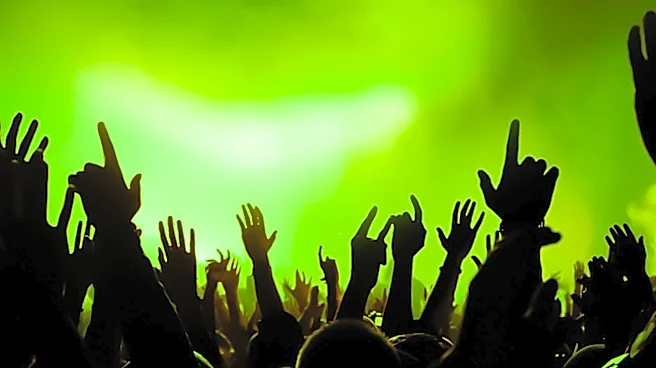
Thousands of people converged on the Golden Gate Park panhandle for the Love Pageant Rally. A central moment of the event involved Allen Cohen reading a "prophecy of a declaration of independence." Following this, in a powerful collective gesture, many attendees simultaneously placed a tab of LSD on their tongues and swallowed it. This act underscored the community's rejection of the new law and their assertion of freedom in exploring altered states of consciousness. Cohen articulated this sentiment, stating, "We were not guilty of using illegal substances. We were celebrating transcendental consciousness. The beauty of the universe. The beauty of being."
The atmosphere of the rally was further enriched by musical performances from iconic bands of the era. The Grateful Dead and Janis Joplin, both invited by Michael Bowen, played for free, contributing to the celebratory and communal spirit. Ken Kesey, a prominent figure in the psychedelic movement, was also present with his Merry Pranksters and their legendary bus, adding to the event's countercultural mystique. The organizers had encouraged participants to bring items that symbolized their values, such as "the color gold," "photos of personal saints and gurus and heroes of the underground," "children," "flowers," "flutes," "drums," "feathers," "bands," "beads," "banners, flags, incense, chimes, gongs, cymbals, symbols, costumes, joy." This invitation fostered a vibrant, expressive, and unified gathering.
Paving the Way for the Summer of Love
While the Love Pageant Rally itself drew several thousand people, its significance extended beyond the single day. It served as a crucial precursor and "warm-up" for the much larger Human Be-In, which took place the following January. The Human Be-In attracted an estimated 30,000 people and garnered significant media attention for hippie culture, ultimately laying the groundwork for the iconic Summer of Love. The rally demonstrated the collective power and shared identity of the burgeoning hippie movement, showcasing their ability to organize, express dissent, and create a unique cultural experience in the face of legal and societal pressures. It solidified the Haight-Ashbury district's role as a focal point for this cultural shift, where the ideals of peace, love, and freedom were actively lived and celebrated.