





Chimichurri, an uncooked sauce originating in Argentina, has transcended its initial role as a condiment for grilled meats to become a globally recognized flavor profile. While deeply rooted in Argentinian, Uruguayan, Paraguayan, and Brazilian cuisines, its appeal has led to widespread adoption across most of Latin America and even inspired unique adaptations in other culinary traditions. This journey from a regional specialty to an internationally
recognized term highlights its versatility and the universal appeal of its vibrant, herbaceous, and piquant flavors.
The South American Foundation
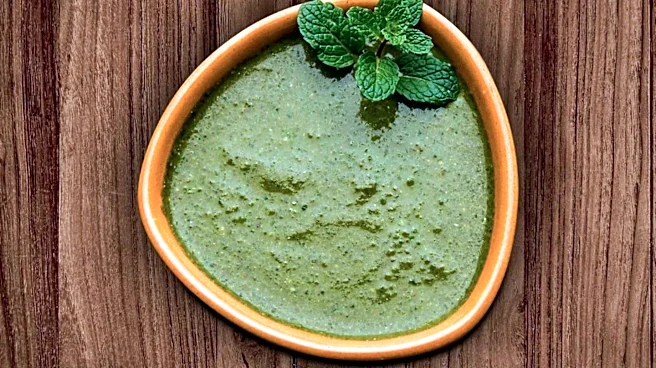
At its core, chimichurri is a blend of finely chopped flat-leaf parsley, minced garlic, olive oil, oregano, chili peppers, and either red wine vinegar or lemon juice. This combination creates a sauce that is both fresh and robust, perfectly complementing the rich taste of grilled meats, particularly beef, which is a cornerstone of Argentinian cuisine. The sauce is typically served in green (chimichurri verde) and red (chimichurri rojo) varieties, offering different levels of spice and herbaceousness.
Its initial spread throughout South America was a natural progression, given the shared culinary heritage and the popularity of grilled meats in countries like Uruguay, Paraguay, and Brazil. In these regions, chimichurri became an indispensable part of the dining experience, often found on tables alongside salt and other condiments. This widespread acceptance within South America laid the groundwork for its eventual recognition on a broader international stage, establishing its identity as a quintessential Latin American flavor.
Unexpected Adaptations: The Dominican Chimichurri Burger
One of the most striking examples of chimichurri's global reach and reinterpretation is found in the Dominican Republic. Here, the term "chimichurri" or "chimi" refers not to the traditional Argentinian sauce, but to a specific type of hamburger. This Dominican chimichurri burger is characterized by its toppings, which include chopped cabbage and salsa golf. This adaptation demonstrates how a culinary term can be adopted and applied to an entirely different dish, reflecting local tastes and ingredients.
This Dominican "chimi" is a testament to the cultural exchange and evolution of food. While it doesn't directly use the Argentinian chimichurri sauce, it borrows the name, suggesting a perceived connection to a flavorful, perhaps zesty, condiment. This highlights how culinary nomenclature can travel and transform, creating new and distinct dishes that resonate with local palates, even if the original ingredient is absent.
Mexican Pizza Topping: A Further Evolution
Another fascinating adaptation of the term "chimichurri" can be found in the cuisine of León, Mexico. In this region, "chimichurri" refers to a popular pizza topping. This Mexican version is described as a dressing with an orange hue, made from a blend of mayonnaise, mustard, chile de árbol, white vinegar, garlic, oil, and salt. This particular chimichurri is highly popular in León, showcasing a complete departure from the South American sauce's ingredients and application.
This Mexican interpretation further illustrates the dynamic nature of culinary terms. It demonstrates how a name can be repurposed to describe a local specialty that shares little in common with its namesake, beyond perhaps a general sense of being a flavorful condiment or topping. These diverse uses of the term "chimichurri" across Latin America underscore its broad cultural impact and the creative ways in which food traditions evolve and adapt in different regions.