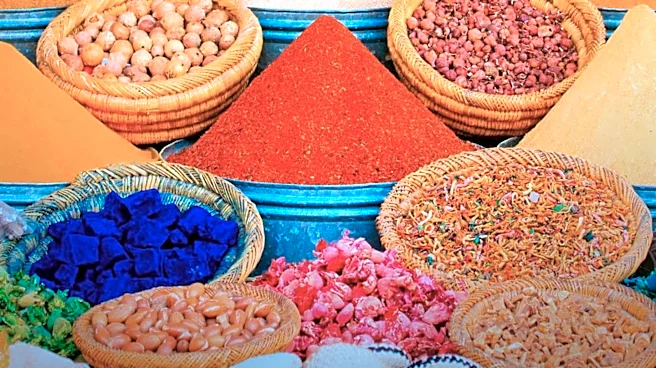






The spice trade has been a significant driver of economic and cultural exchange throughout history. From ancient civilizations to the modern era, spices have played a crucial role in shaping global trade routes and culinary traditions. This article explores the historical journey of the spice trade, highlighting key milestones and its lasting impact on the world.
Ancient Beginnings and Early Trade Routes
The spice trade dates back to ancient times, with evidence of spice use found in Egyptian,
Chinese, and Indian cultures. By 2000 BCE, spices like cinnamon and black pepper were traded across the Indian subcontinent and the Middle East. The Egyptians used herbs for both culinary purposes and mummification, stimulating demand for exotic spices and herbs.
Indonesian merchants traveled extensively, facilitating the exchange of spices between China, India, the Middle East, and Africa. Arab merchants played a crucial role in establishing trade routes through the Middle East and India, leading to the Egyptian port city of Alexandria becoming a central hub for spice trading. The discovery of monsoon winds around 40 CE further revolutionized the spice trade, allowing for more efficient sea travel and expanding the reach of spices to Western Europe.
The Middle Ages: Spice as a Symbol of Wealth
During the Middle Ages, spices were among the most coveted and expensive commodities in Europe. Black pepper, cinnamon, cumin, nutmeg, ginger, and cloves were highly sought after, not only for their flavor but also for their perceived medicinal properties. The European elite viewed spices as a connection to paradise, and their demand drove exploration and trade.
The Republic of Venice held a monopoly on the spice trade with the Middle East from the 8th to the 15th century, enriching the region and dominating neighboring Italian maritime republics. The spice trade was so lucrative that it was estimated to be equivalent to a yearly supply of grain for 1.5 million people. Spices like saffron were particularly exclusive, valued for their vivid color and flavor.
The Age of Exploration and Modern Trade
The early modern period saw European voyagers seeking new routes to access Asian spices. Portuguese navigator Vasco da Gama's journey to India in 1499 marked a significant turning point, as he secured spices at lower costs than those demanded by Venice. The discovery of the New World introduced new spices like allspice, chili peppers, vanilla, and chocolate, keeping the spice trade profitable into the 19th century.
Today, the spice trade continues to thrive, with India contributing to 75% of global spice production. The cultural significance of spices remains strong, influencing cuisines worldwide and serving as a symbol of wealth and social class. The historical journey of the spice trade is a testament to the enduring allure of spices and their ability to connect diverse cultures across the globe.