





Photodermatitis, often referred to as sun poisoning or photoallergy, is a skin condition that arises when an allergen is activated by light, leading to an allergic response. This condition is distinct from sunburn and can result in a variety of symptoms that affect the skin and sometimes the entire body. Understanding the causes and symptoms of photodermatitis is crucial for managing and preventing this condition.
Causes of Photodermatitis
Photodermatitis can be triggered by several factors, including exposure to certain plants, medications, and internal medical conditions. Some plants, such as Ammi majus, parsnip, and giant hogweed, contain chemicals that can cause a reaction when the skin is exposed to sunlight. This type of photodermatitis is known as phytophotodermatitis. The chemicals in these plants become activated by ultraviolet (UV) light, leading to skin irritation and other symptoms.Medications can also be a significant
cause of photodermatitis. Certain drugs increase the skin's sensitivity to sunlight, making it more susceptible to reactions. These medications can include antibiotics, diuretics, and non-steroidal anti-inflammatory drugs (NSAIDs). When these medications are taken, they can cause the skin to react more intensely to sunlight, resulting in photodermatitis.
Symptoms of Photodermatitis
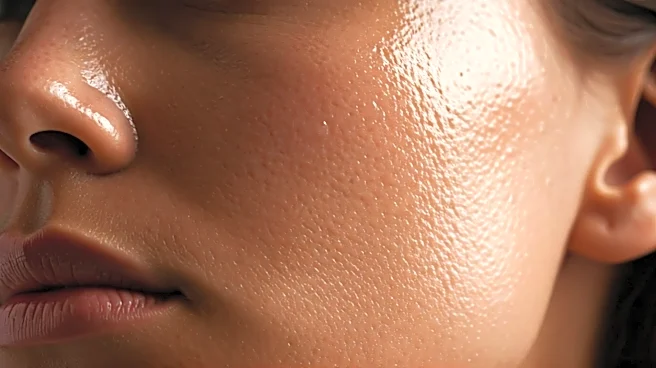
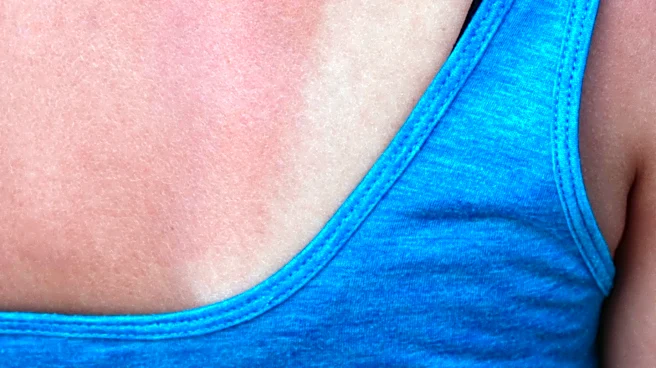
The symptoms of photodermatitis can vary widely but often include swelling, difficulty breathing, and a burning sensation on the skin. A red, itchy rash that may resemble small blisters is common, and the skin may peel. In some cases, nausea can occur, and the affected areas may develop blotches that persist for long periods. These blotches can take on an unsightly orange to brown tint, particularly on the face.The severity of symptoms can depend on the extent of exposure and the individual's sensitivity. In some cases, the symptoms may be mild and resolve quickly, while in others, they can be more severe and require medical attention. It is important to recognize these symptoms early to prevent further exposure and manage the condition effectively.
Managing Photodermatitis
Managing photodermatitis involves avoiding known triggers and protecting the skin from sunlight. Wearing protective clothing and using sunscreen with a high UVA protection level can help prevent reactions. It is also important to be aware of any medications or plants that may increase sensitivity to sunlight and take steps to minimize exposure.In cases where symptoms are severe or persistent, seeking medical advice is recommended. A healthcare professional can provide guidance on treatment options and help manage the condition effectively. By understanding the causes and symptoms of photodermatitis, individuals can take proactive steps to protect their skin and prevent reactions.