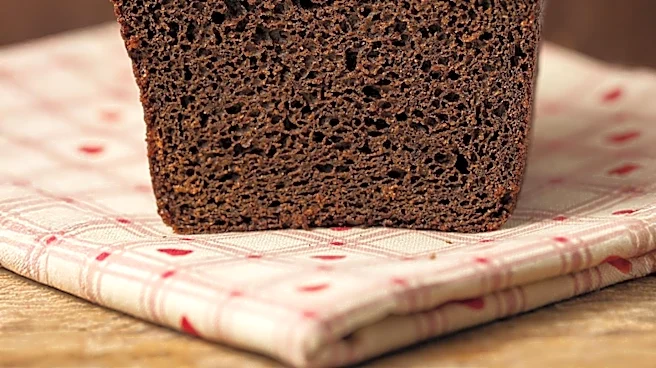








Pumpernickel, a dense and dark rye bread, boasts a rich history rooted in the Westphalia region of Germany. First documented in print in 1450, this bread began its life as a humble, yet essential, food for the less affluent. Its traditional preparation, often without leavening agents, speaks to a time when ingredients were scarce and resourcefulness was key. Over centuries, pumpernickel has evolved from a simple peasant fare to a bread appreciated
for its unique characteristics, even incorporating modern twists while retaining its historical essence.
The Humble Beginnings of Pumpernickel
Historically, pumpernickel was known as a "poor man's bread." Its original recipe was remarkably simple, consisting primarily of coarsely-broken rye grain, salt, and water. This basic composition made it an accessible food for poor farmers and their livestock, including horses. The absence of expensive ingredients like yeast or sweeteners was a defining characteristic of its early form, reflecting the economic realities of its consumers.
Traditional pumpernickel was often baked in a unique manner, utilizing the residual heat of an oven after other, more important items had been cooked. This method, combined with a long baking time—sometimes 16 to 24 hours in a bain-marie, or water bath, using the dough's own moisture—contributed to its distinctive dense texture and dark color. The process began with a natural fermentation of rye flour and water over three days in a warm environment, stirred regularly, without the addition of commercial yeast.
Evolution of Ingredients and Preparation
While the core elements of rye and a long baking process remain, modern pumpernickel has seen significant adaptations. Contemporary recipes often include rye flour in addition to the coarsely ground rye, and sourdough starter is now a common leavening agent, departing from the historical absence of such ingredients. This shift allows for a more controlled and consistent fermentation process.
Furthermore, to enhance its characteristic dark color and flavor, modern pumpernickel may incorporate ingredients that were once considered luxuries or were simply not part of the original recipe. These can include molasses, cocoa powder, and even coffee. These additions contribute to the bread's deep hue and complex taste profile, making it more appealing to contemporary palates. Even in Germany, where it originated, pumpernickel can now feature sweeteners like honey or molasses, and flavorings such as caraway, coriander, cocoa, or coffee.
Pumpernickel's Enduring Legacy and Regional Variations
Despite its humble origins, pumpernickel has maintained its presence in culinary traditions. The lengthy preparation process, including the initial three-day natural fermentation and the extended baking, highlights the dedication involved in creating this unique bread. After baking, it traditionally rests for 24 hours before consumption, allowing its flavors and texture to fully develop.
In North America, the term "pumpernickel" sometimes refers to a bread that differs significantly from its traditional German counterpart. American versions can be lighter in color and texture, often made with a blend of wheat and rye flours. This regional variation underscores how food traditions can adapt and transform as they travel across different cultures and continents, reflecting local tastes and available ingredients while still carrying the historical name.