








Microsoft's decision to acquire Activision Blizzard for $68.7 billion, a deal that eventually cost $75.4 billion, was not merely about expanding its game catalog. It was a deeply strategic move aimed at bolstering its position in the fiercely competitive global gaming market, particularly in the burgeoning mobile sector, and addressing concerns about the dominance of other tech giants. The acquisition, completed on October 13, 2023, was designed to integrate
Activision Blizzard's vast portfolio of games and expertise into Microsoft's growing gaming ecosystem, which already included Xbox Game Studios and ZeniMax Media.
This move was seen as a response to evolving market dynamics and a proactive step to secure future growth. The motivations behind such a massive investment reveal Microsoft's long-term vision for its gaming division and its ambition to compete more effectively on a global scale against established and emerging players.
Expanding into the Mobile Gaming Frontier
One of the most significant strategic drivers behind the Activision Blizzard acquisition was Microsoft's desire to penetrate and expand its presence in the mobile gaming market. Phil Spencer, CEO of Microsoft Gaming, explicitly highlighted this intent, noting that while console gaming reaches approximately 200 million users worldwide, the mobile market boasts over 3 billion people. Activision Blizzard's King division, known for the highly successful *Candy Crush Saga*, offered Microsoft an immediate and substantial foothold in this lucrative sector.
This focus on mobile gaming indicates a recognition by Microsoft that the future of gaming extends far beyond traditional consoles. By acquiring King's mobile expertise and popular titles, Microsoft aimed to tap into a much larger and rapidly growing audience, diversifying its revenue streams and reducing its reliance on console sales. This strategic pivot reflects a broader industry trend towards mobile-first development and engagement.
Countering Tech Giants and Enhancing Competitive Edge
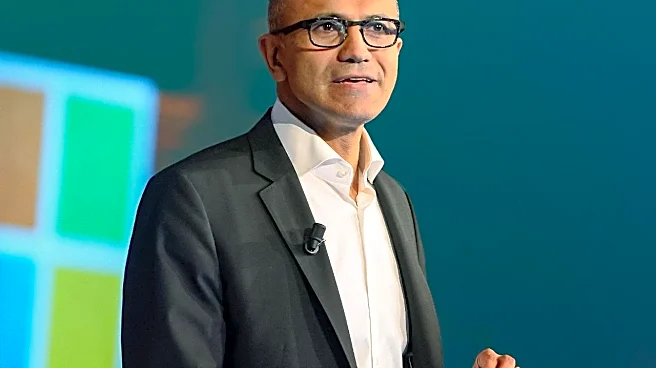
The acquisition was also driven by a need to compete more effectively against other powerful tech companies. Discussions in 2021 between Activision Blizzard CEO Bobby Kotick, Phil Spencer, and Microsoft CEO Satya Nadella revealed shared concerns about the increasing influence of companies like Tencent, NetEase, Apple, and Google. Kotick specifically noted that Activision Blizzard lacked the computational expertise in machine learning and data analytics necessary to rival these tech giants.
Microsoft, possessing these advanced capabilities, saw an opportunity to acquire Activision Blizzard at an attractive price point while simultaneously strengthening its own competitive standing. This move was not just about acquiring content but also about integrating talent and technology to create a more robust and competitive gaming division. Some journalists also interpreted the acquisition, along with Microsoft's earlier purchase of Bethesda Softworks, as a direct challenge to Meta Platforms, indicating Microsoft's ambition to play a leading role in the development of the emerging metaverse, a concept Activision Blizzard itself highlighted as a future frontier for the gaming industry.