



William H. Houston, an inventor originally from Cambria, Wisconsin, played a pivotal role in the early development of roll film technology. His innovations laid crucial groundwork for the widespread adoption of photography, particularly through his association with George Eastman and the Kodak company. Houston's journey from Wisconsin to the Dakota Territory in 1880 marked the beginning of a prolific period of invention that significantly shaped the future
of cameras and photographic film.
Early Patents and Collaboration with Eastman
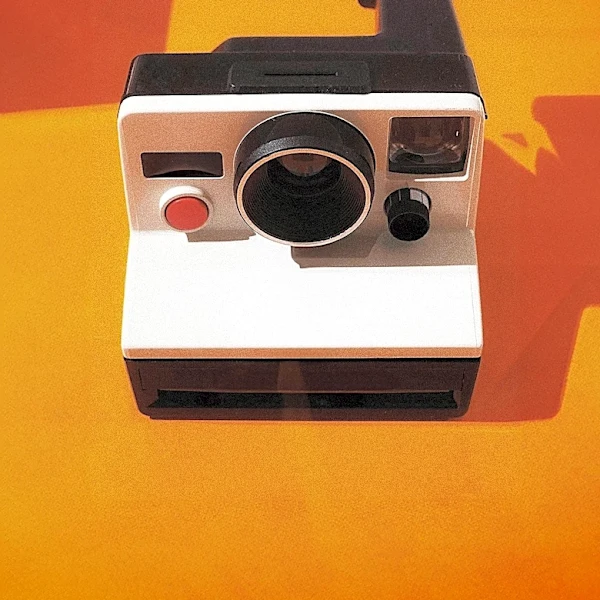
Houston's most significant early contribution was his patent for a roll film holder, issued in 1881. This invention was a breakthrough, as it provided a practical method for using flexible roll film, a departure from the more cumbersome sheet film prevalent at the time. The importance of his innovation was quickly recognized by George Eastman, who licensed Houston's patent. This licensed technology was subsequently integrated into Eastman's groundbreaking Kodak 1888 box camera, a product that revolutionized amateur photography by making it more accessible to the general public.
The relationship between Houston and Eastman deepened over time. In 1889, Houston decided to sell his 1881 patent, along with an 1886 revision, outright to Eastman for a sum of $5000. This transaction solidified Eastman's control over key roll film technology, enabling Kodak to further develop and commercialize its photographic products. Houston's decision to sell his patents allowed him to continue his inventive pursuits, while Eastman gained essential intellectual property for his burgeoning company.
A Prolific Inventor's Career
Even after selling his initial patents to Eastman, William H. Houston remained an active and dedicated inventor in the field of photography. Between 1881 and 1902, he continued to develop and refine camera technology, securing an impressive 21 patents for various cameras or camera parts. This sustained output demonstrates his deep commitment to advancing photographic equipment and making it more efficient and user-friendly.
His continuous work contributed to the evolution of camera design and functionality during a critical period in photography's history. Houston's patents likely covered a range of improvements, from mechanisms for film handling to other components that enhanced the overall performance and usability of cameras. His inventive spirit helped push the boundaries of what was possible in photographic technology, even as the industry rapidly expanded and evolved.
Legacy and Final Transfer of Patents
William H. Houston's inventive legacy extended beyond his lifetime. In 1912, years after his most active period of patenting, his estate transferred the remainder of his patents to George Eastman. This final transfer consolidated Houston's intellectual property under the Eastman umbrella, further cementing Kodak's position as a leader in the photographic industry. It also highlights the enduring value and relevance of Houston's contributions to the field.
Houston's work on flexible roll film holders was fundamental to the shift from glass plates and sheet film to the more convenient roll film format. This transition was crucial for the popularization of photography, making it a hobby and a tool accessible to a much wider audience. His early innovations, licensed and later acquired by Eastman, were integral to the success of iconic products like the Kodak box camera, which brought photography into countless homes.