







Spiritual retreats hold a significant place in various religious traditions, and Buddhism is no exception. These retreats offer practitioners a chance to deepen their meditation practice and enhance their spiritual journey. In Buddhism, retreats are seen as essential for cultivating concentration and insight, providing a structured environment for reflection and meditation. This article delves into the role and practices of spiritual retreats within
Buddhism, highlighting their historical roots and contemporary significance.
Historical Roots of Buddhist Retreats
The tradition of spiritual retreats in Buddhism dates back to the time of Gautama Buddha, the founder of Buddhism. One of the earliest forms of retreat is the Vassa, or rainy season retreat, which was established by Buddha himself. During this period, monks would gather in one place to focus on their spiritual practices, taking advantage of the rainy season when travel was difficult. This tradition laid the foundation for the importance of retreats in Buddhist practice.
In Zen Buddhism, retreats are known as sesshin, which translates to "gathering the mind." These retreats are intensive periods of meditation, often lasting several days, where practitioners engage in prolonged meditation sessions, interspersed with walking meditation and other activities. The goal is to deepen one's concentration and insight, allowing for a more profound understanding of the self and the nature of reality.
Practices and Environments of Buddhist Retreats
Buddhist retreats can vary in their structure and environment, depending on the tradition and the goals of the participants. Some retreats are held in complete silence, allowing practitioners to focus inward and minimize distractions. Others may include periods of discussion and teaching, providing opportunities for learning and reflection.
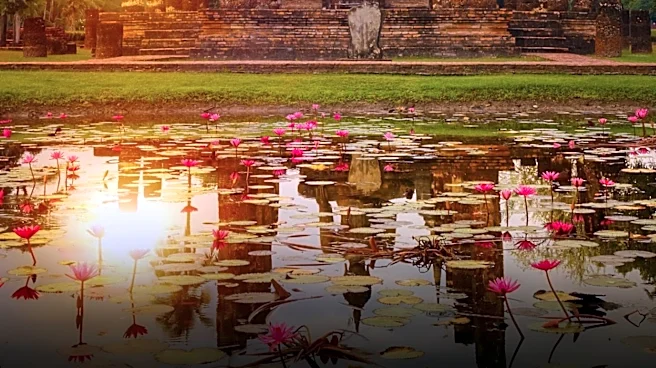
Retreats are often conducted in rural or remote locations, such as monasteries or dedicated retreat centers. These settings provide a peaceful and supportive environment, free from the distractions of everyday life. For advanced practitioners, some retreats may even be undertaken in darkness, a practice common in the Nyingma school of Tibetan Buddhism. This form of retreat is designed to enhance the practitioner's ability to focus and gain insight into the nature of the mind.
The Contemporary Significance of Buddhist Retreats
Today, spiritual retreats continue to play a vital role in the practice of Buddhism. They offer practitioners a chance to step away from the demands of daily life and immerse themselves in their spiritual practice. Retreats provide a structured environment for meditation, reflection, and learning, allowing individuals to deepen their understanding of Buddhist teachings and cultivate a sense of inner peace.
In a world that is often fast-paced and filled with distractions, the opportunity to participate in a spiritual retreat can be a transformative experience. Whether for a few days or several weeks, retreats offer a chance to reconnect with one's spiritual path and gain a deeper understanding of the self and the world. For many Buddhists, retreats are an essential part of their spiritual journey, providing a space for growth, reflection, and renewal.