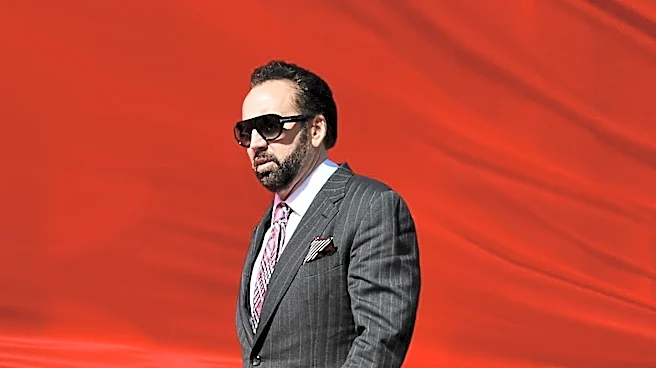








The story behind the acclaimed 1995 film "Leaving Las Vegas" is as poignant and complex as the narrative it portrays. The movie, which garnered significant critical attention and an Academy Award for its lead actor, Nicolas Cage, did not originate as a screenplay but rather as a semi-autobiographical novel. Published in 1990 by Watermark Press, John O'Brien's "Leaving Las Vegas" served as the foundational text. O'Brien's personal connection to the themes
of the story adds a layer of profound depth, making the journey from his written words to the cinematic adaptation a compelling study in creative translation and tragic circumstance.
The Author's Vision and Personal Tragedy
John O'Brien's 1990 novel, "Leaving Las Vegas," was a deeply personal work, described as semi-autobiographical. This intimate connection to the material suggests that the struggles and themes explored within the book resonated with O'Brien's own experiences or observations. The novel tells the story of a suicidal alcoholic screenwriter who moves to Las Vegas with the intention of drinking himself to death, and his subsequent relationship with a prostitute. This dark and unflinching portrayal of self-destruction and unlikely connection formed the core of the narrative that would later captivate audiences.
Tragically, O'Brien's life ended in suicide in April 1994, just weeks after he signed away the film rights to his novel. This somber fact casts a long shadow over the adaptation, imbuing the film with an additional layer of pathos. The author's untimely death underscores the raw and often painful reality that can inspire such powerful works of art, making the film not just an adaptation of a story, but a poignant echo of its creator's life.
Mike Figgis's Direction and the Adaptation Process
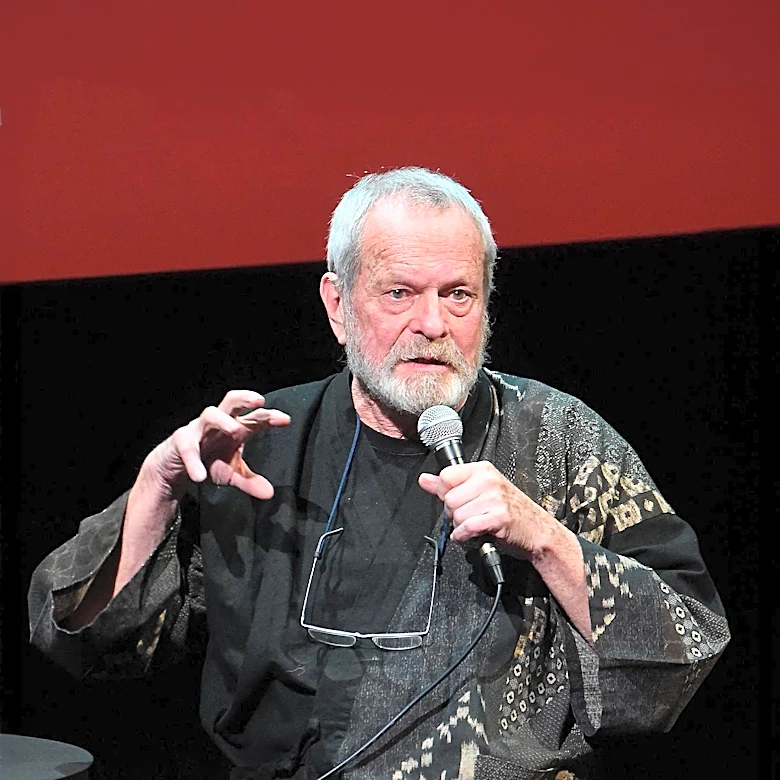
Mike Figgis took on the dual role of writer and director for the 1995 film adaptation of "Leaving Las Vegas." His approach to bringing O'Brien's novel to the screen involved a deep immersion into the characters' worlds. Figgis encouraged his lead actors, Nicolas Cage and Elisabeth Shue, to undertake extensive research to embody their roles authentically. This hands-on, experiential approach aimed to capture the raw emotional truth of the source material.
Figgis described the rehearsal process as relatively brief, about a week and a half, but emphasized the extensive conversations and communication that occurred in the year leading up to filming. He encouraged Cage and Shue to conduct their own research, which they were eager to do. The director noted that the three of them would gather and discuss a wide range of topics, not strictly limited to the film or script, allowing for a more organic understanding of the story's nuances. This collaborative and immersive method was crucial in translating the novel's intense emotional landscape to the cinematic medium.
Actors' Immersion and Character Development
The commitment of the lead actors to their roles was a significant factor in the film's success. Nicolas Cage, portraying the alcoholic screenwriter Ben Sanderson, undertook rigorous research to understand the depths of his character's addiction. He spent two weeks drinking heavily in Dublin and had a friend videotape him to study his speech patterns while intoxicated. Cage also visited hospitalized professional alcoholics, gaining firsthand insight into the condition. He famously remarked that this was "one of the most fun investigations" he had ever done for a part, highlighting his dedication to authenticity.
Elisabeth Shue, who played the prostitute Sera, also engaged in thorough research. She spent time interviewing various prostitutes in Las Vegas, seeking to understand their lives, perspectives, and the realities of their profession. This dedication from both actors, fostered by Figgis's directorial approach, allowed them to bring a profound sense of realism and vulnerability to their performances, ultimately honoring the complex and tragic vision laid out in John O'Brien's original novel.