

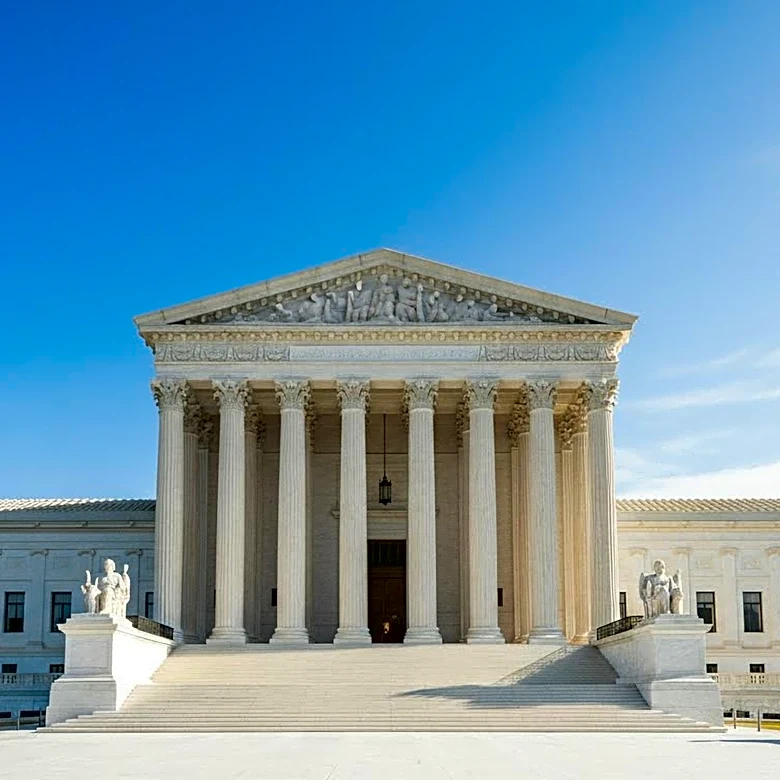

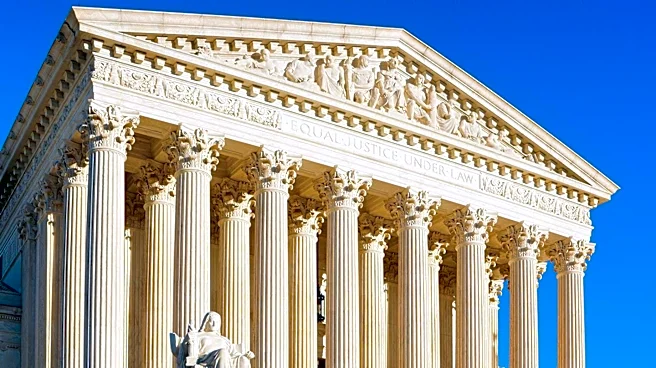



Brett Kavanaugh's confirmation to the U.S. Supreme Court in 2018 was one of the most contentious in recent history. Nominated by President Donald Trump, Kavanaugh's path to the bench was fraught with intense scrutiny, public hearings, and allegations that captured national attention. This article delves into the key events and controversies that defined his confirmation process.
Nomination and Initial Reactions
On July 9, 2018, President Trump nominated Brett Kavanaugh to the Supreme
Court, following Justice Anthony Kennedy's retirement. Kavanaugh's nomination was part of a strategic effort to solidify a conservative majority on the court. His extensive legal background, including his tenure on the U.S. Court of Appeals for the District of Columbia Circuit, made him a prominent candidate.
The announcement of Kavanaugh's nomination was met with mixed reactions. Supporters praised his judicial record and conservative credentials, while opponents expressed concerns about his views on key issues such as abortion and executive power. The stage was set for a highly charged confirmation process, with both sides preparing for a battle over his appointment.
Senate Judiciary Committee Hearings
The Senate Judiciary Committee held public hearings on Kavanaugh's nomination starting on September 4, 2018. The hearings were marked by procedural disputes and protests, reflecting the deep divisions over his candidacy. Democratic senators raised objections about the lack of access to documents from Kavanaugh's time in the George W. Bush administration, while Republicans emphasized the volume of available records.
During the hearings, Kavanaugh faced rigorous questioning on various topics, including his judicial philosophy and past rulings. He maintained a cautious stance, avoiding commitments on issues that might come before the court. The hearings were further complicated by frequent interruptions from protesters, highlighting the contentious nature of the proceedings.
Allegations and Final Confirmation
The confirmation process took a dramatic turn with allegations of sexual misconduct against Kavanaugh. Christine Blasey Ford accused him of assaulting her during their high school years, leading to an additional day of hearings on September 27, 2018. The testimonies of Ford and Kavanaugh were broadcast nationwide, drawing significant public attention.
Despite the allegations and the heated debates, Kavanaugh was confirmed by the Senate on October 6, 2018, with a narrow margin. His confirmation was a pivotal moment in U.S. judicial history, reflecting the polarized political climate. The process left a lasting impact on the Supreme Court and the broader discourse on judicial appointments, underscoring the complexities of navigating such a high-stakes confirmation.