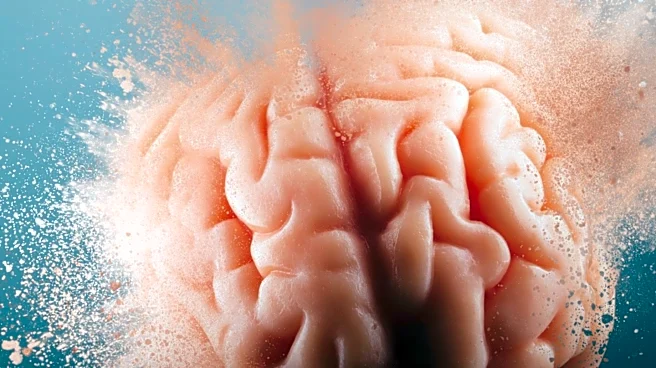







The ostrich effect, a cognitive bias characterized by the avoidance of potentially negative but useful information, is not merely a behavioral quirk but has roots in the brain's processing of information. This phenomenon, named after the mythical behavior of ostriches, reflects a deep-seated human tendency to shield oneself from psychological discomfort. Understanding the neurological and psychological mechanisms at play provides crucial insights
into why individuals often choose ignorance over potentially distressing knowledge, even when that knowledge could be beneficial.
Brain Activity and Information Processing
Neuroscientific research has begun to shed light on the brain regions involved in the ostrich effect. Studies investigating how individuals update their beliefs based on positive versus negative information have found consistent patterns. Participants, when presented with negative information, were more likely to resist updating their existing beliefs. This suggests an active process of avoidance or discounting of information that conflicts with a more comfortable reality.
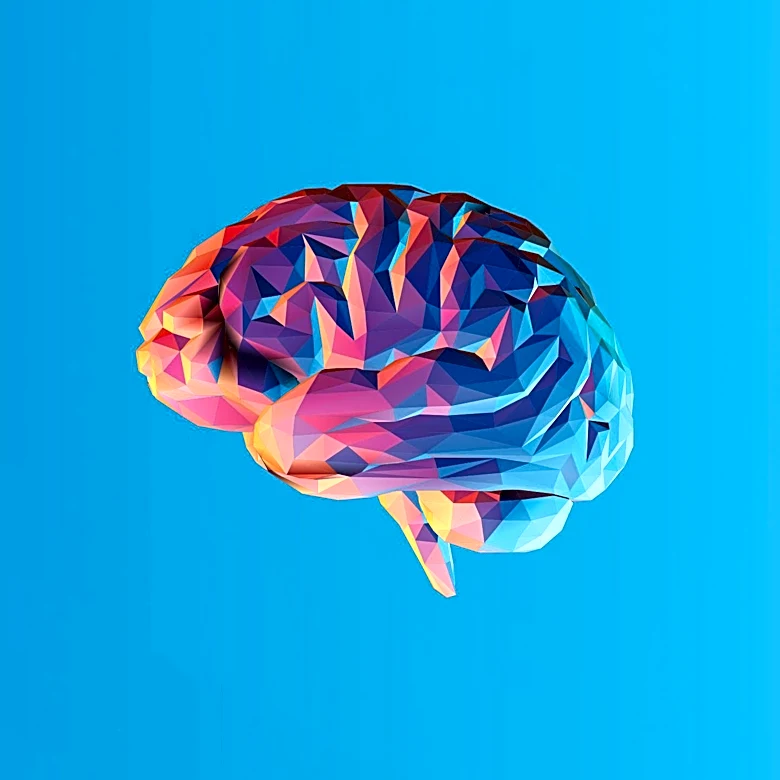
Specifically, the left inferior frontal gyrus (IFG) has been identified as a key brain area responsible for this cognitive bias. When this part of the brain was disrupted using transcranial magnetic stimulation, participants showed a greater willingness to accept negative information. This finding indicates that the left IFG plays a role in the brain's mechanism for avoiding or filtering out unpleasant truths, thereby contributing to the ostrich effect. The brain, in essence, appears to have a built-in defense mechanism against information that could cause distress.
The Role of Loss Aversion
A significant psychological factor linked to the ostrich effect is loss aversion. Loss aversion describes the human tendency to feel the pain of losses more intensely than the pleasure of equivalent gains. This imbalance in emotional response makes individuals particularly sensitive to information that might signal a potential loss, whether it's financial, health-related, or otherwise. The desire to avoid the acute discomfort associated with loss can drive the decision to simply not look at the information at all.
Research has explored the direct connection between loss aversion and the ostrich effect. One study measured loss aversion through lottery choices and the ostrich effect through the willingness to undergo preventive medical testing. The findings revealed a clear correlation: individuals with higher levels of loss aversion were less likely to opt for preventive medical tests. This demonstrates that the stronger a person's aversion to losses, the more probable they are to exhibit the ostrich effect by actively avoiding information that could lead to a diagnosis, even if early detection could improve outcomes. The psychological cost of confronting a potential loss outweighs the perceived benefit of gaining useful information.
Practical Implications of the Bias
The understanding of the ostrich effect and its neurological and psychological underpinnings has practical implications across various domains. In finance, it explains why investors might ignore market downturns, potentially missing opportunities to mitigate losses. In healthcare, it highlights a barrier to preventive care, where fear of bad news can lead to delayed or forgone medical screenings. Recognizing this bias is the first step toward developing strategies to counteract it, encouraging individuals to engage with useful information even when it is uncomfortable. By understanding how our brains process and sometimes avoid negative information, we can better design interventions that promote more informed and beneficial decision-making.