




The Valley of the Kings stands as one of the most renowned archaeological sites in the world, a testament to the grandeur and funerary practices of ancient Egypt. For nearly 500 years, from the 16th to the 11th century BC, this valley served as the primary burial ground for the pharaohs and powerful nobles of the New Kingdom, encompassing the Eighteenth to the Twentieth Dynasties. Located on the west bank of the Nile, opposite the ancient city of Thebes
(modern Luxor), it forms a crucial part of the larger Theban Necropolis, a UNESCO World Heritage Site.
Historical Significance and Purpose
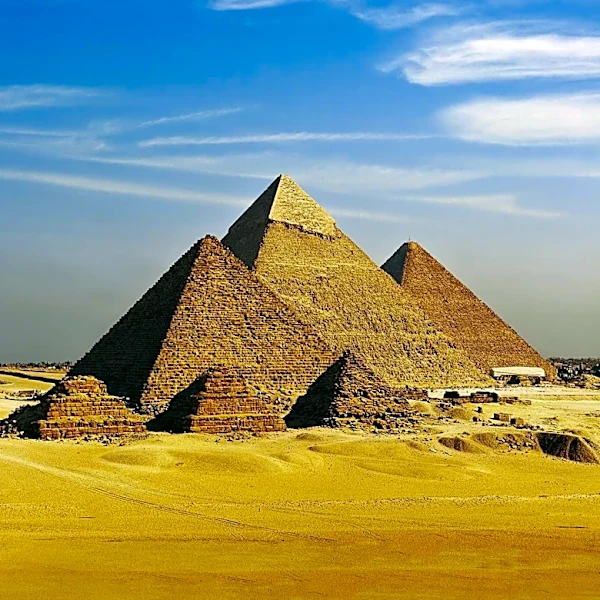
The construction of tombs in the Valley of the Kings marked a significant shift in royal burial practices. Prior to this period, pharaohs were often interred in pyramids, but the New Kingdom rulers opted for hidden, rock-cut tombs within this secluded valley. This change was likely an attempt to protect their eternal resting places and their valuable contents from tomb robbers, a persistent problem throughout ancient Egyptian history. The valley is naturally divided into two main sections: the East Valley, which houses the majority of the royal tombs, and the West Valley.
This site became the chosen necropolis for a succession of powerful rulers, each seeking to secure their journey to the afterlife with elaborate tombs filled with treasures and provisions. The decision to centralize royal burials in one location, albeit a hidden one, reflects the organized and monumental scale of funerary preparations during the New Kingdom. The valley's remote and rugged terrain provided a natural defense, though ultimately, it did not deter all those who sought to plunder its riches.
A Hub of Archaeological Exploration
Since the late 18th century, the Valley of the Kings has been a focal point for archaeological and Egyptological exploration. Its hidden tombs and the mysteries they held have continuously captivated researchers and the public alike. The ongoing discoveries within the valley have provided invaluable insights into ancient Egyptian religion, art, architecture, and daily life, making it an indispensable resource for understanding one of history's most fascinating civilizations.
The valley's fame surged dramatically in modern times with the discovery of Tutankhamun's tomb. This particular find, made in the early 20th century, brought the Valley of the Kings unprecedented global attention and ignited a renewed interest in ancient Egypt. Even today, exploration, excavation, and conservation efforts continue, with new research and discoveries still emerging from this ancient landscape. A new tourist center has also been established, further enhancing its accessibility and educational value for visitors from around the world.