









Proofing is a critical phase in bread making that allows dough to rise and develop its structure and flavor. This process involves the fermentation of dough by yeast, which produces gases that cause the dough to expand. By understanding the stages and techniques of proofing, bakers can achieve the perfect texture and taste in their bread.
The Stages of Proofing
Proofing typically occurs in two main stages: bulk fermentation and final proof. Bulk fermentation, also known
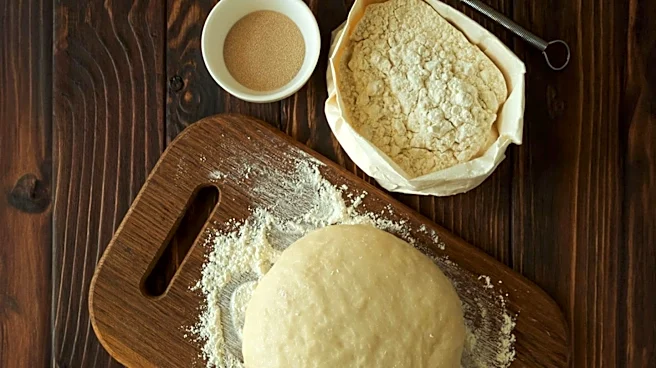
as the first rise, is when the dough is left to rest after mixing. During this time, yeast ferments the dough, producing carbon dioxide and alcohol. This stage is crucial for developing the dough's flavor and structure.
The final proof, or second rise, occurs after the dough has been shaped. This stage allows the dough to rise again before baking, ensuring a light and airy texture. The length of each stage can vary depending on the recipe and environmental conditions, but both are essential for achieving the desired results.
Techniques for Effective Proofing
Several techniques can be employed to ensure effective proofing. Temperature and humidity control are vital, as they influence yeast activity. A warm environment accelerates fermentation, while controlled humidity prevents the dough from drying out. Commercial bakers often use proofing boxes to maintain these conditions consistently.
Home bakers can create a suitable proofing environment using simple methods. Placing the dough in an oven with a bowl of hot water can provide the necessary warmth and humidity. Alternatively, a countertop proofer can offer more precise control. Regardless of the method, the goal is to create an environment that encourages yeast activity and dough expansion.
Common Challenges in Proofing
Proofing can present several challenges, particularly for novice bakers. Overproofing occurs when the dough is left to rise for too long, causing the gas bubbles to burst and the dough to collapse. This results in a dense and flat loaf. Underproofing, on the other hand, leads to a dough that hasn't risen enough, resulting in a dense texture.
To avoid these issues, bakers can use the poke test to assess the dough's readiness. By gently pressing a finger into the dough, they can determine if it springs back slowly, indicating it is ready for baking. If it springs back quickly, more time is needed, while a dough that doesn't spring back may be overproofed.
In summary, proofing is a vital step in bread making that requires careful attention to detail. By mastering the stages and techniques of proofing, bakers can produce bread with the perfect texture and flavor.