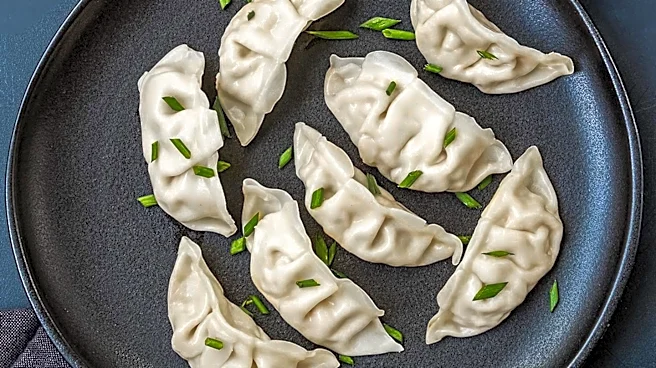





Dumplings have been a part of human culinary history for centuries, evolving through time and across cultures. These delightful parcels of dough and filling have adapted to local ingredients and tastes, becoming a staple in many cuisines. This article traces the historical journey of dumplings, highlighting their origins and transformations.
Ancient Origins and Early Development
The concept of dumplings is believed to have originated in ancient times, with early forms appearing in various
regions. In China, dumplings have been enjoyed for over a thousand years, with jiaozi being one of the earliest recorded types. These dumplings were initially made with simple ingredients, reflecting the agricultural lifestyle of the time.
In Europe, dumplings have a long history as well, with knödel being a traditional dish in Germany and Austria. These dumplings were originally made from leftover bread, showcasing the resourcefulness of early European cooks. As trade routes expanded, new ingredients and techniques were introduced, enriching the dumpling repertoire.
Dumplings in the Middle Ages and Renaissance
During the Middle Ages, dumplings became more refined, with the addition of spices and meats. In Italy, ravioli emerged as a popular dish, combining pasta dough with rich fillings. The Renaissance period saw further innovations, with dumplings becoming a symbol of culinary sophistication.
In Eastern Europe, pierogi gained popularity, with fillings ranging from potatoes to fruits. These dumplings were often served during religious festivals, highlighting their cultural significance. The communal aspect of dumpling making became more pronounced, with families gathering to prepare large batches for celebrations.
Modern Dumplings and Global Influence
In the modern era, dumplings have continued to evolve, influenced by globalization and technological advancements. In the United States, chicken and dumplings became a comfort food, reflecting the country's diverse culinary landscape. The convenience of frozen and pre-made dumplings has made them accessible to a wider audience.
Today, dumplings are enjoyed worldwide, with each culture adding its own twist. From the spicy manti of Central Asia to the sweet kenkey of Africa, dumplings showcase the adaptability and creativity of human cuisine. As we savor these delicious treats, we celebrate the rich history and cultural exchange that dumplings represent.