



Baseball's journey through the Olympic Games has been significantly shaped by the complex relationship between professional leagues, particularly Major League Baseball (MLB), and the International Olympic Committee (IOC). The debate over professional player participation, or rather the consistent absence of top-tier MLB players, became a central factor in the sport's removal from the Olympic program and continues to influence its intermittent presence.
This dilemma highlights the tension between the global appeal of baseball and the logistical and financial realities of professional sports.
Amateur Beginnings and the Shift to Professionals
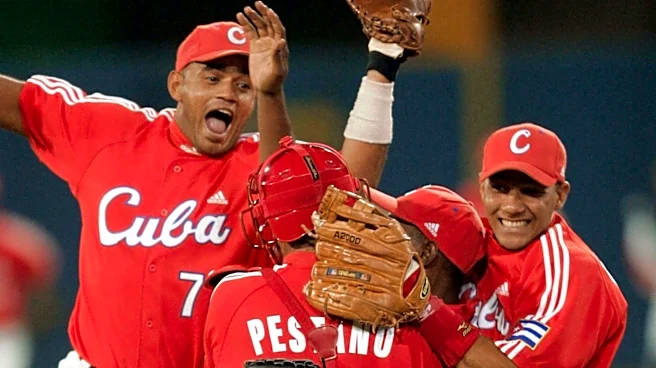
In its initial appearances as an official medal sport in 1992 and 1996, Olympic baseball was exclusively open to male amateurs. This policy created a distinct competitive landscape. Nations with highly developed professional baseball systems, such as the United States, primarily relied on collegiate players. In contrast, countries like Cuba utilized their most experienced veterans. These Cuban players, while technically considered amateurs as they nominally held other jobs, in practice trained full-time, giving them a significant competitive advantage. This distinction was evident in Cuba's early dominance, securing gold medals in both 1992 and 1996.
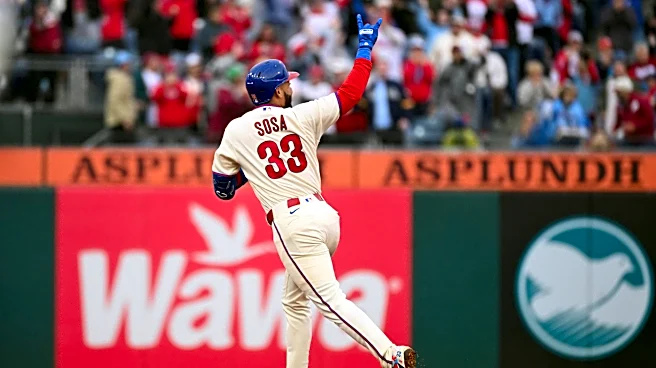
The policy shifted in 2000, when professional players were officially admitted to compete in Olympic baseball. However, this change did not immediately resolve the issue of top talent participation. Major League Baseball consistently refused to release its players for the 2000, 2004, and 2008 Olympics. Consequently, the situation remained largely unchanged for the U.S. team, which continued to field minor leaguers, while Cuba still brought its best available players. This ongoing absence of the sport's most recognized stars from the world's premier professional league became a critical point of contention for the IOC.
The IOC's Concerns and Baseball's Removal
The International Olympic Committee explicitly cited the absence of the best players as the primary reason for baseball being dropped from the Olympic program. This concern was a major factor in the IOC's decision on July 8, 2005, to remove baseball and softball from the 2012 Summer Olympics roster. This marked the first time sports had been removed from the Olympics since polo in 1936. Beyond the lack of MLB stars, other factors contributing to the removal included problems with performance-enhancing drugs and the high cost associated with constructing a baseball stadium.
IOC head Jacques Rogge articulated the criteria for baseball's potential return, emphasizing the need for "universality," a strong following, the participation of the "best players," and strict compliance with anti-doping regulations. He stressed that a sport needed to "win hearts" in addition to meeting these practical requirements. Despite appeals to reinstate the sports for 2012, they were rejected. While baseball did return for the 2020 Summer Olympics in Tokyo, this was largely due to new IOC policies allowing host nations to propose additional sports. Notably, Nippon Professional Baseball in Japan did allow its players to compete, even pausing its season, demonstrating a different approach to professional involvement compared to MLB. The ongoing challenge of securing top professional talent remains a key aspect of baseball's Olympic future.