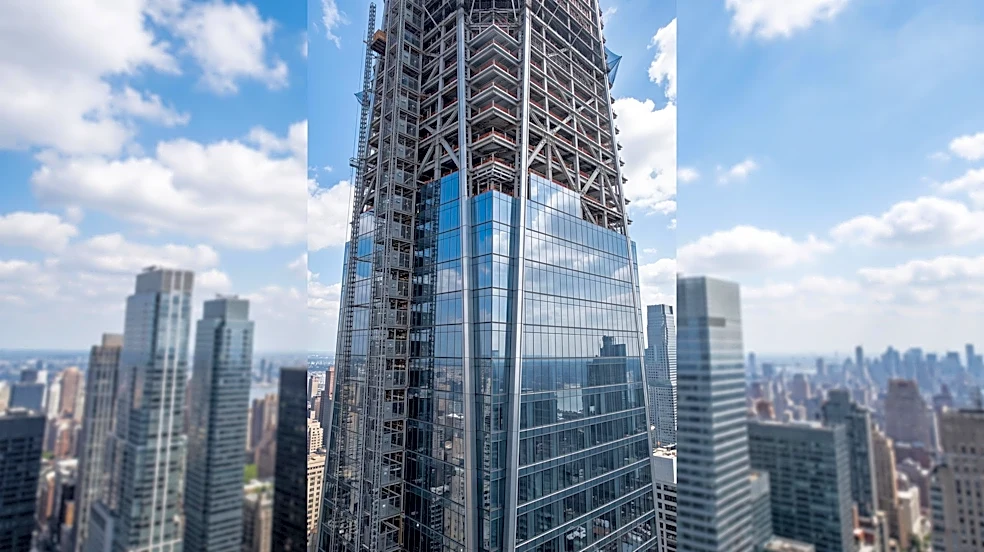





The Metropolitan Opera House on 39th Street, affectionately known as the Old Met, served as the first home for the Metropolitan Opera Company from its opening in 1883 until its demolition in 1967. Located at 1411 Broadway in Midtown Manhattan's Garment District, this building witnessed significant changes throughout its operational life, from its initial construction and subsequent rebuilding after a fire, to its eventual obsolescence due to inadequate
facilities. Its story is one of a grand cultural institution struggling to adapt to changing needs and modern demands, ultimately leading to its replacement by a new, state-of-the-art facility.
Early Challenges and Architectural Redesign
Designed by J. Cleaveland Cady, the original Metropolitan Opera House was initially met with largely negative critical reception, with one source calling it "Disappointing ... flat, forceless and ineffective." Its industrial-looking exterior even earned it the nickname "The Yellow Brick Brewery." A major setback occurred on August 27, 1892, when a fire gutted the theater, forcing the cancellation of the 1892–1893 season. The opera house was subsequently rebuilt along its original lines, demonstrating a commitment to its initial design despite the criticism. During this rebuilding period, the Vaudeville Club, which would later become the Metropolitan Opera Club, was founded, providing entertainment in the undamaged parts of the structure.
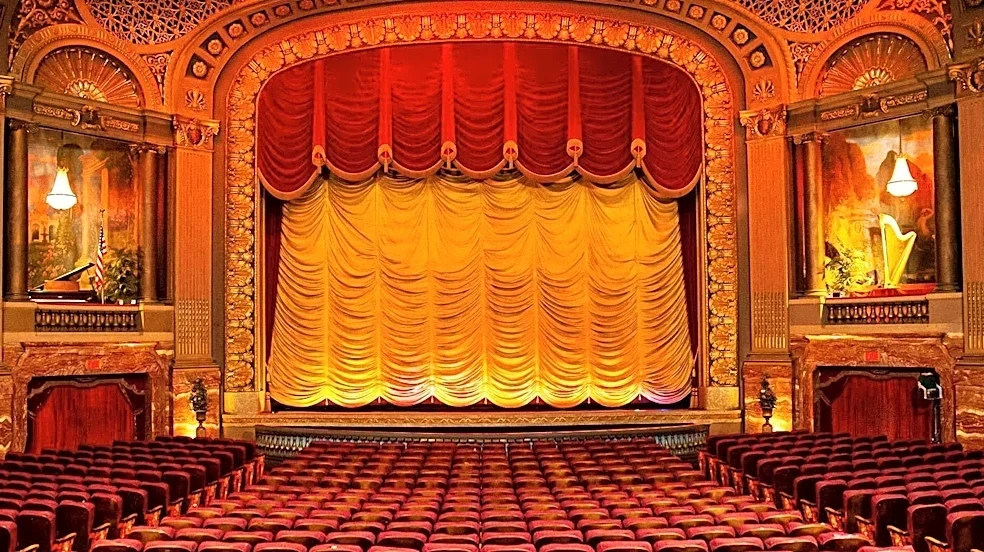
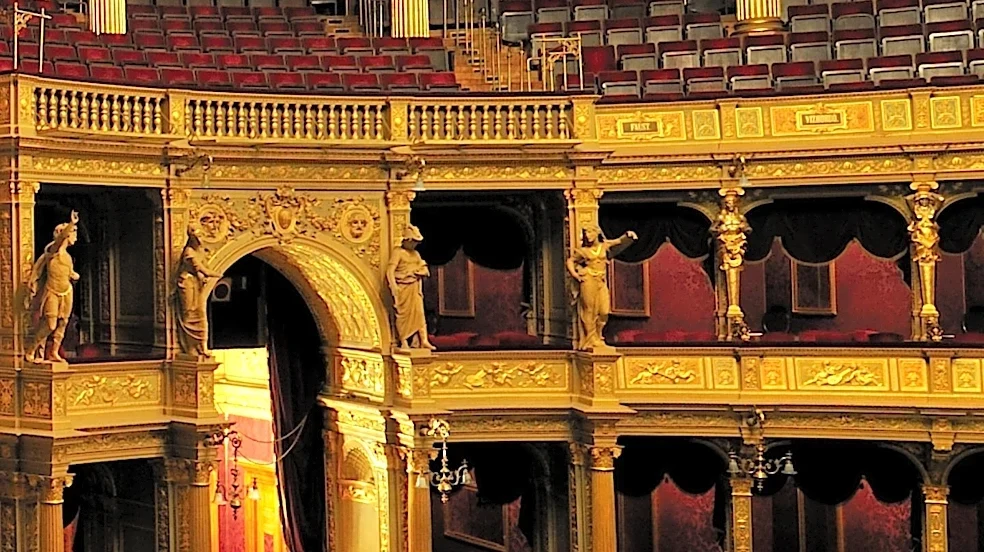
Significant interior changes were implemented in 1903 when architects Carrère and Hastings undertook a major redesign. This renovation introduced the iconic gilded auditorium, complete with its radiant chandelier and a curved proscenium arch bearing the names of six renowned composers: Gluck, Mozart, Beethoven, Wagner, Gounod, and Verdi. The first of the Met's signature golden damask stage curtains was installed in 1906, completing the aesthetic that would define the Old Metropolitan Opera House until its closure. These enhancements aimed to improve the audience experience and solidify its status as a premier opera venue.
Transition of Ownership and Functional Limitations
For many years, the Old Met was owned by wealthy families who occupied the theater's private boxes. However, in 1940, ownership transitioned to the Metropolitan Opera Association, a non-profit organization. This period also saw the last major alterations to the auditorium, including the conversion of the second level of private boxes, known as the "grand tier," into row seating. This change increased the seating capacity and left only the first tier of boxes, the "golden horseshoe," for New York's high society.
Despite its celebrated acoustics and opulent interior, the backstage facilities of the Old Met were increasingly deemed inadequate for a major opera company. The lack of space meant that scenery and props often had to be stored outside, against the 39th Street wall, requiring crews to move them in and out between performances, often in inclement weather. Numerous proposals for a new building, including one by Joseph Urban and potential locations like Columbus Circle or what would become Rockefeller Center, failed to materialize. It was not until the development of Lincoln Center in the Upper West Side that the Metropolitan Opera finally had the opportunity to construct a modern, purpose-built opera house. The Old Met's functional limitations ultimately sealed its fate, leading to its closure and demolition to make way for a 40-story office tower at 1411 Broadway in 1967.