


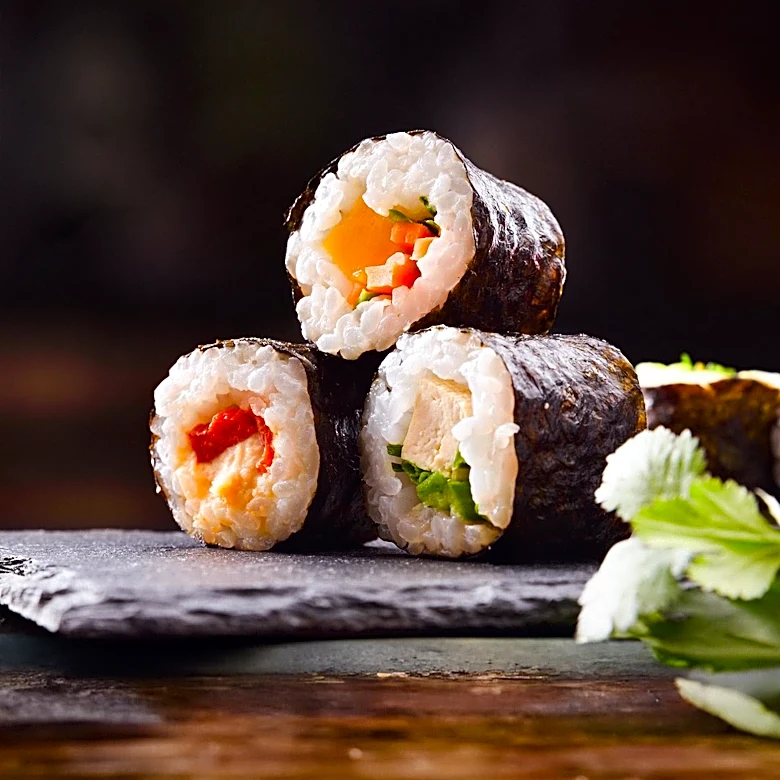





Sashimi, a delicacy of raw fish or meat sliced thinly, has a rich history that dates back to the Muromachi period in Japan. The term "sashimi" means "pierced body," reflecting the traditional method of harvesting fish. Over the centuries, sashimi has evolved from a simple preparation to a sophisticated culinary art, deeply embedded in Japanese culture.
Origins and Early History
The origins of sashimi can be traced back to the Muromachi period (1336–1573), when the term was
first coined. During this time, the method of preparing fish involved piercing the brain with a sharp spike immediately after catching, a technique known as ikejime. This ensured the fish remained fresh longer, as it minimized lactic acid buildup.
An early Japanese cookbook from 1489 provides insight into the preparation of sashimi, instructing that raw flesh should be sliced and mixed with vinegar and seasonings like salt and herbs. This highlights the early appreciation for the delicate flavors of raw fish, which would later become a hallmark of Japanese cuisine.
Western Encounters
Sashimi's introduction to the Western world occurred in the late 1860s, as documented by Sir Arthur Wilson of the Royal Navy. In a letter, he described sashimi as "a peculiar sort of fish, which they cut in very thin slices and serve up with some sort of sauce over it." Despite initial reservations, Wilson acknowledged the dish's appeal, noting its status as a delicacy.
This early encounter marked the beginning of sashimi's journey beyond Japan, as Western diners gradually embraced the unique flavors and presentation of this raw fish dish. The growing interest in Japanese cuisine in the 20th century further propelled sashimi into the global culinary scene.
Modern Evolution
Today, sashimi is celebrated worldwide for its simplicity and focus on fresh ingredients. Japanese chefs continue to refine their techniques, using specialized knives to achieve precise cuts that enhance the texture and flavor of the fish. The dish is often served with soy sauce and condiments like wasabi, which not only add flavor but also serve to kill harmful bacteria.
Sashimi's evolution reflects broader trends in global cuisine, with chefs experimenting with different types of fish and garnishes. Despite these innovations, the core principles of sashimi—freshness, precision, and presentation—remain unchanged, ensuring its continued popularity both in Japan and internationally.