


Al Sharpton, a figure synonymous with civil rights activism, has also carved out a significant niche in American media and politics. Born Alfred Charles Sharpton Jr. on October 3, 1954, in Brooklyn, New York, his influence extends beyond street protests and into the airwaves and political campaigns. His ability to leverage media platforms has allowed him to amplify his message and maintain a consistent presence in public discourse, making him a recognizable
voice across the nation.
A Voice on the Airwaves: "Keepin' It Real"
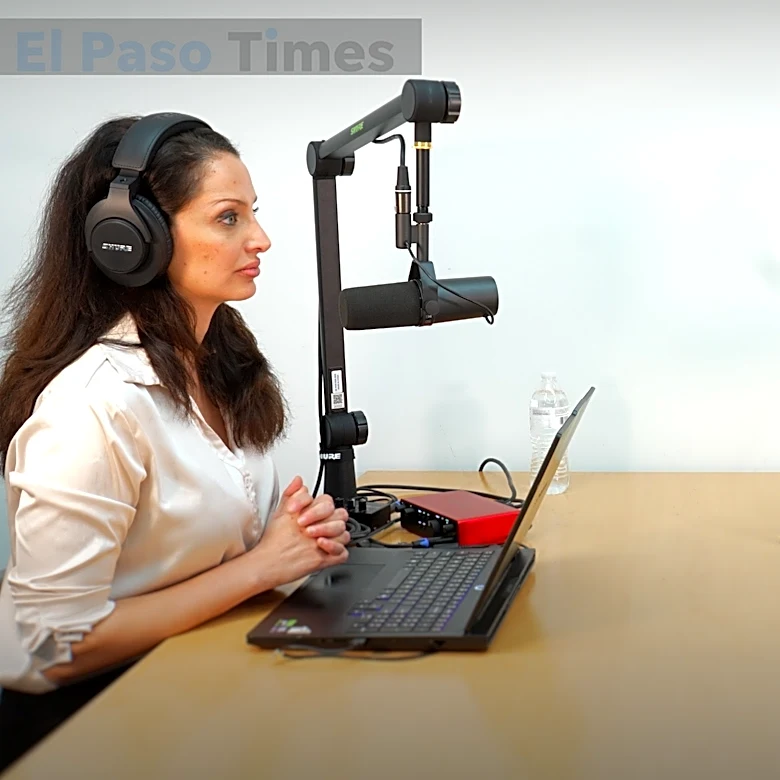
Sharpton hosts a daily national talk radio program titled "Keepin' It Real with Al Sharpton." This show serves as a crucial platform for his views and discussions on current events, civil rights, and social justice issues. While based at WWRL in New York City, the program's reach is far wider, broadcasting on Sirius XM Satellite Radio since August 13, 2007. This expansion to satellite radio significantly broadened his audience, allowing him to connect with listeners across the country.
The show airs weekday evenings, typically from 8:00 PM to 10:00 PM in New York City, and is syndicated by Reach Media, a subsidiary of Urban One. Its presence in 40 media markets underscores its national impact and Sharpton's ability to maintain a consistent dialogue with a broad listenership. His entry into talk radio was formalized in November 2005 when he signed with Radio One to host the program, which began airing on January 30, 2006, following an earlier contract with Matrix Media in June 2005 that did not result in a broadcast.
Political Aspirations and Influence
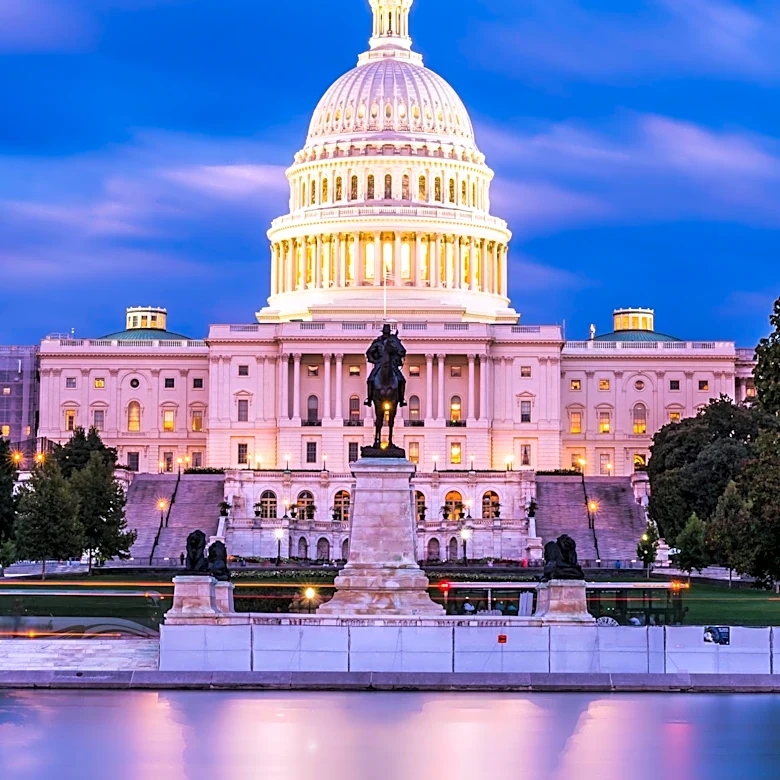
Beyond his media career, Al Sharpton has also made notable forays into national politics. In 2004, he sought the Democratic Party's nomination for the U.S. presidency. While his campaign did not secure the nomination, he finished behind prominent candidates such as John Kerry, John Edwards, and Howard Dean. His participation in the presidential race demonstrated his ambition to influence policy at the highest levels and brought his civil rights agenda to a national political stage.
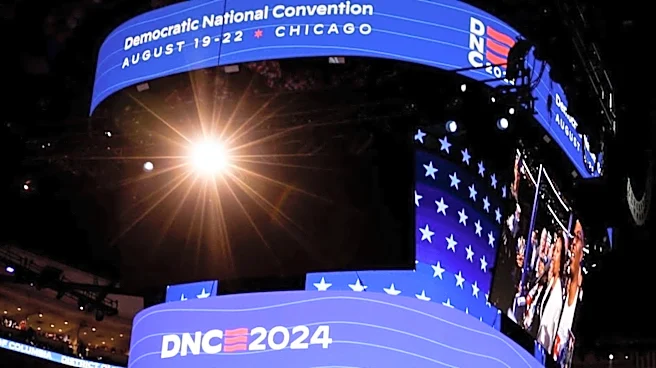
Sharpton's political influence is also evident in his role as a prominent figure within the Democratic Party. His consistent advocacy for civil rights and social justice issues aligns with key tenets of the party's platform, making him a respected, albeit sometimes controversial, voice. His ability to mobilize communities and articulate the concerns of marginalized groups has ensured his continued relevance in both political and social spheres, solidifying his status as a multifaceted public figure.