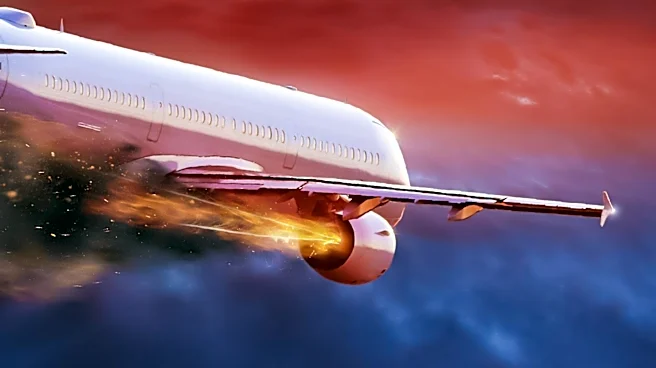




The crash of United States Air Force Flight 27, callsign Yukla 27, on September 22, 1995, was a profound tragedy that claimed the lives of all 24 crew members. While the immediate cause was identified as a bird strike involving Canada geese, the subsequent investigation revealed a series of systemic failures and contributing factors that, had they been addressed, might have prevented the disaster. This incident serves as a critical case study in aviation
safety, highlighting the importance of comprehensive wildlife management and effective communication in airfield operations.
The Overlooked Threat: Bird Activity on the Airfield
The primary catalyst for the accident was the ingestion of Canada geese into the number 1 and 2 engines of the Boeing E-3 Sentry. However, the presence of these birds on the airfield was not an isolated or unforeseen event. The investigation pointed to "insufficient efforts of the air base to deter the birds" as a significant contributing factor. This suggests a potential inadequacy in the wildlife management programs designed to keep airfields clear of avian hazards. Airfields, by their nature, can attract wildlife, and proactive measures are essential to mitigate the risks they pose to aircraft, especially during critical phases of flight like takeoff and landing.
Prior to Yukla 27's departure, a C-130 Hercules transport aircraft had taken off from the same runway. This preceding aircraft had disturbed a flock of Canada geese, scattering them into the path of the incoming Sentry. The fact that the C-130's takeoff directly influenced the bird activity underscores the dynamic nature of this threat and the need for constant vigilance and immediate response protocols.
Communication Breakdown: A Critical Lapse
Another crucial systemic failure identified by the investigation was the breakdown in communication from the air traffic control tower. The report explicitly stated "the failure of the air traffic control tower to report to both the Sentry and the airfield management that birds were present on the airfield." This lapse meant that the crew of Yukla 27 was completely unaware of the immediate danger they were flying into. Had they been informed, they might have been able to delay takeoff, request a different runway, or take other precautionary measures.
Effective communication between air traffic control, flight crews, and airfield management is a cornerstone of aviation safety. In this instance, the absence of a timely warning deprived the crew of vital information that could have altered the outcome. This highlights the necessity of robust procedures for reporting and disseminating information about potential hazards, particularly those as dynamic and unpredictable as bird activity.
The Unforgiving Physics of Flight
Once the bird strike occurred, the aircraft's fate was sealed by the unforgiving physics of flight under extreme conditions. The loss of both engines on the left wing created an asymmetric thrust condition that, combined with a full fuel load, made it impossible for the E-3 Sentry to maintain altitude. Despite the crew's efforts to dump fuel and initiate a turn back to the airfield, the aircraft could only reach a maximum altitude of 250 feet before descending. The rapid sequence of events, with the crash occurring just 42 seconds after rotation, demonstrates how quickly a critical failure can overwhelm even highly trained crews when systemic safeguards are not fully in place. The investigation's findings underscore that while the bird strike was the trigger, the underlying systemic issues amplified its catastrophic consequences.