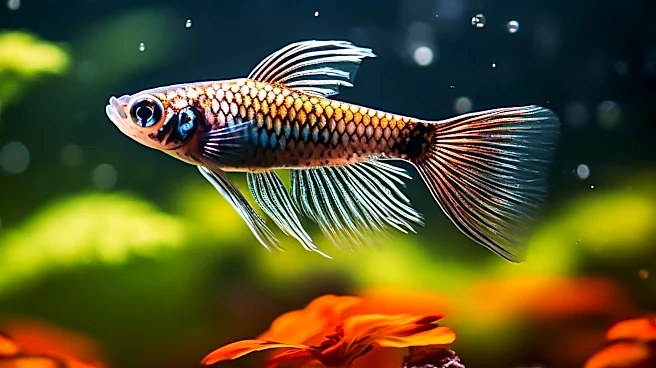









The zebra danio, or Danio rerio, is a small freshwater fish originating from India, known for its distinctive blue longitudinal stripes and a maximum length of 5 centimeters. While its vibrant appearance makes it a popular aquarium inhabitant, its true scientific value lies in its remarkable biological characteristics that have established it as a premier model organism for studying vertebrate biology. This tiny fish offers an accessible window into
complex biological processes, from embryonic development to neurological functions and regeneration.
Unveiling Vertebrate Development Through Transparent Embryos
One of the most significant biological features of the zebra danio is the transparency of its embryos. Unlike many other vertebrates, the developmental stages from egg to hatching are clearly visible, allowing scientists to observe the intricate processes of organogenesis and cellular differentiation in real-time. This unique trait facilitates experimental embryology, enabling researchers to easily manipulate embryos and study the effects of genetic mutations or environmental factors on development. The ability to conduct both experimental embryology and genetic analysis concurrently in a vertebrate model is a powerful advantage, making the zebra danio an indispensable tool for understanding the fundamental principles of vertebrate development.Genetic Insights and Regenerative Capabilities
The zebra danio's genetic makeup and reproductive cycle further enhance its utility in biological research. It is a highly prolific species, with a single male and female pair capable of producing hundreds of fertilized eggs in a single day. This high fecundity, combined with a short generation time of two and a half to three months to reach reproductive maturity, allows for rapid genetic studies and the observation of traits across multiple generations. Researchers have developed numerous genetic modification systems for the zebra danio, including the use of Tol2 transposons for easy gene introduction and CRISPR/Cas9 technology for precise genetic alterations.Beyond development and genetics, the zebra danio is also recognized for its regenerative capabilities. This aspect is of particular interest to scientists studying tissue repair and regeneration in vertebrates. The fish's ability to regenerate damaged fins, for example, even in cultivated varieties like the Longfin Zebra Danio, provides a natural system for investigating the mechanisms behind tissue repair. Its shared biological commonalities with humans, as a vertebrate, make findings from zebra danio research highly relevant to understanding human biology and potential therapeutic applications.