


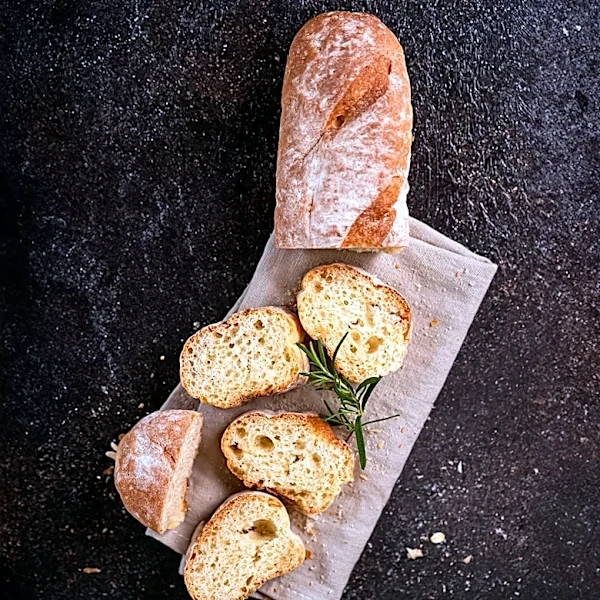


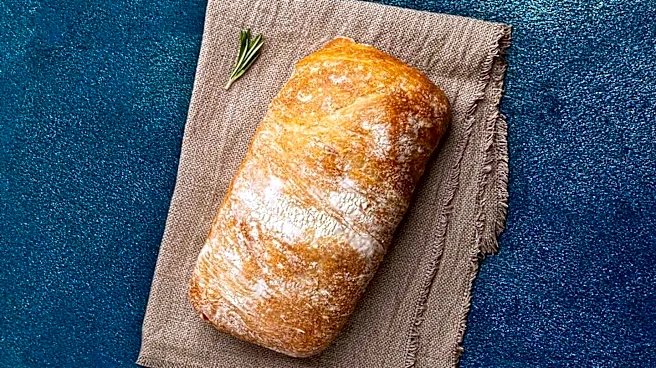
Panzanella is a traditional Italian salad that has captured the hearts and taste buds of many, especially in central Italy. Known for its refreshing combination of soaked stale bread, tomatoes, and onions, this dish has a rich history that dates back several centuries. Over time, Panzanella has evolved, with its ingredients and preparation methods reflecting the cultural and agricultural shifts in Italy.
Historical Roots
The history of Panzanella can be traced back
to the 16th century, where it was celebrated by the artist and poet Bronzino. He praised a dish of onions with oil and vinegar served with toast, which is often interpreted as an early form of Panzanella. This suggests that the salad has been a part of Italian culinary tradition for hundreds of years, evolving from a simple combination of bread and onions to the more complex versions we see today.
Originally, Panzanella was based on onions rather than tomatoes. This is an important distinction, as tomatoes did not become a staple in Italian cuisine until much later. The salad's name itself is believed to be a portmanteau of "pane," meaning bread, and "zanella," a deep plate in which it is served. This etymology highlights the central role of bread in the dish, which remains a key ingredient to this day.
Modern Ingredients
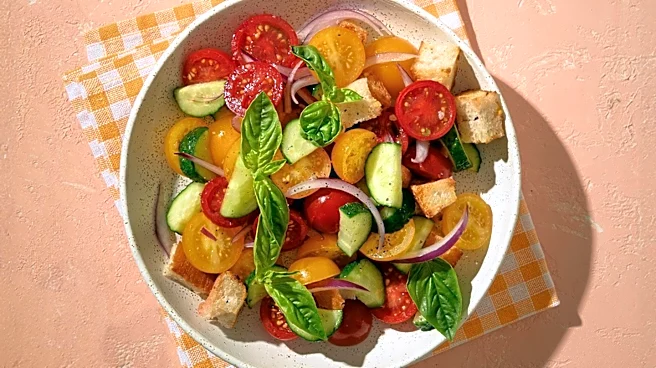
In its modern form, Panzanella typically includes stale bread soaked in water and squeezed dry, red onions, and tomatoes. The salad is dressed with olive oil and vinegar, and seasoned with salt and pepper. Cucumbers and basil are often added, providing a fresh and aromatic twist to the traditional recipe. This evolution in ingredients reflects the availability of produce and the influence of regional tastes in central Italy, particularly in Tuscany and Umbria.
The inclusion of tomatoes in Panzanella is a relatively recent development, as they became more widely used in Italian cooking in the 20th century. This change not only added a burst of color and flavor to the salad but also aligned it with the Mediterranean diet, which emphasizes fresh vegetables and healthy fats.
Cultural Significance
Panzanella is more than just a salad; it is a reflection of Italian culture and the resourcefulness of its people. The use of stale bread in the dish is a testament to the Italian tradition of minimizing waste and making the most of available ingredients. This practice of using leftover bread is common in many Italian dishes, showcasing the ingenuity and practicality of Italian cooking.
Today, Panzanella is enjoyed not only in Italy but around the world, celebrated for its simplicity and vibrant flavors. It remains a popular choice during the summer months, offering a refreshing and satisfying meal that embodies the essence of Italian cuisine.