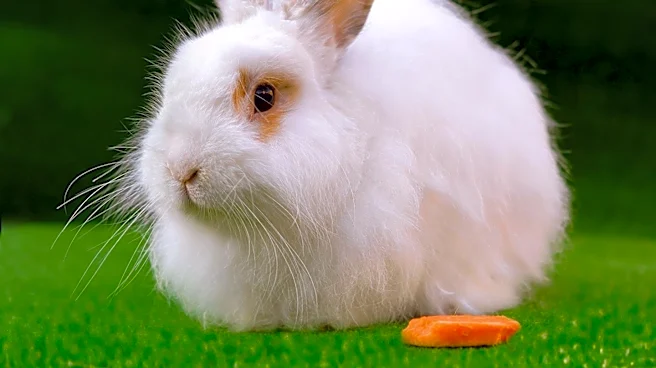






Maintaining the health of domestic rabbits is a well-studied area in veterinary medicine, largely due to their significance as laboratory animals and centuries of domestication for fur and meat. A cornerstone of rabbit health is a balanced diet, primarily consisting of hay and vegetables. While much of the research and recommendations apply specifically to the European rabbit, which is the only domesticated species, understanding these principles
is crucial for ensuring the well-being of pet rabbits. When raised in sanitary conditions and provided with adequate care, pet rabbits are less prone to disease.
Dietary Foundations for Rabbit Health
For most rabbits, a healthy diet is centered around hay and vegetables. This balanced approach helps prevent various health issues, including bacterial infections and problems stemming from a low-fiber diet. Specific grasses like fescue, marsh, orchard, and timothy grass are suitable, as are oat and ryegrass. However, a lack of standardized information or statistics regarding rabbit diets exists across different countries, highlighting the need for owners to rely on general veterinary advice.
One significant health concern linked to diet is gastrointestinal (GI) stasis. This serious and potentially fatal condition occurs when gut motility is severely reduced or completely stops. If left untreated or improperly managed, GI stasis can be fatal within 24 hours. It involves food not moving through the gut at a normal pace, leading to dehydration and compaction of gut contents into a hard, immobile mass that blocks the digestive tract. Fermentation of food in an immobile gut can also cause significant gas buildup and pain. Feeding a rabbit too many carbohydrates is a potential cause of GI stasis.
Recognizing and Addressing GI Stasis
The first noticeable symptom of GI stasis is often a sudden cessation of eating. Treatment typically involves intravenous or subcutaneous fluid therapy to rehydrate the rabbit, pain control, and careful massage to help expel gas and provide comfort. Drugs to promote gut motility are also often administered, along with careful monitoring of the rabbit's intake and output. Dietary changes, including force-feeding to ensure adequate nutrition, may also be part of the treatment plan. Surgery to remove blockages is generally not recommended due to a poor prognosis.
Several factors are thought to contribute to GI stasis, including stress, reduced food intake, a low-fiber diet, dehydration, decreased exercise, or blockages caused by ingesting excess fur or carpet. Stressors can include changes in housing, transportation, or medical procedures under anesthesia. It can be challenging to pinpoint a root cause, as multiple factors, such as poor dental structure leading to decreased food intake followed by a stressful veterinary dental procedure, can occur simultaneously. GI stasis is sometimes mistakenly diagnosed as "hair balls" by those unfamiliar with the condition. While fur is often found in the stomach after a fatal case of GI stasis, it is also present in healthy rabbits. Molting and chewing fur can be a predisposing factor, but the primary cause is a change in gut motility.
Other Health Considerations
Rabbits have fragile bones, particularly in their spines, and require support when being picked up. Another common issue, especially in heavy-weight rabbits kept in cages with wire or soiled solid flooring, is sore hocks. This condition involves the formation of open sores on the rabbit's hocks. It is most prevalent in Rex-furred rabbits and those weighing over 9 pounds, as well as rabbits with thin foot bristles. The problem arises when the protective bristle-like fur on the hocks thins over time. Unsanitary cage conditions, such as standing urine, can worsen the problem by irritating sensitive skin, leading to tender areas or open sores that can become infected and abscessed if not properly cared for.