






Dwight Gooden, known as "Dr. K" and "Doc," was a formidable force in Major League Baseball (MLB) during the 1980s and 1990s. His career was marked by incredible highs and devastating lows, making him one of the most compelling figures in baseball history. From his early success with the New York Mets to his struggles with addiction, Gooden's story is one of talent, triumph, and tragedy.
Early Success and Dominance
Dwight Gooden burst onto the MLB scene in 1984 as a 19-year-old
rookie with the New York Mets. His debut season was nothing short of spectacular, earning him the National League Rookie of the Year Award. Gooden's fastball and curveball quickly became legendary, and he led the league in strikeouts, setting a rookie record with 276. His performance earned him a spot in the All-Star Game, where he became the youngest player to appear and struck out the side.
The following year, Gooden's dominance continued as he won the National League Cy Young Award and achieved the pitching Triple Crown. With a 24-4 record, a 1.53 ERA, and 268 strikeouts, he was at the pinnacle of his career. Gooden's success helped lead the Mets to a World Series victory in 1986, solidifying his status as one of the game's greats.
Struggles and Setbacks
Despite his early success, Gooden's career was marred by personal struggles. In 1987, he tested positive for cocaine and entered a rehabilitation center, missing the start of the season. Although he returned to form, his performance began to decline in the early 1990s. Injuries and continued substance abuse issues plagued his career, leading to a suspension for the entire 1995 season after another positive drug test.
Gooden's troubles extended beyond the baseball field. He faced multiple legal issues, including arrests for driving under the influence and drug possession. These challenges overshadowed his on-field achievements and contributed to the decline of his once-promising career.
Redemption and Legacy
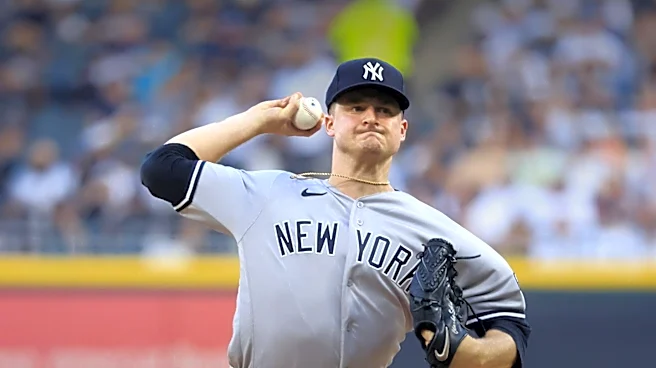
In 1996, Gooden signed with the New York Yankees and experienced a brief resurgence. He pitched a no-hitter against the Seattle Mariners, a highlight in an otherwise tumultuous career. Gooden's time with the Yankees culminated in a World Series victory in 2000, providing a measure of redemption.
Despite his struggles, Gooden's impact on baseball remains significant. He was inducted into the New York Mets Hall of Fame in 2010, and his number 16 was retired by the Mets in 2024. Gooden's story serves as a cautionary tale about the pressures of fame and the challenges of overcoming personal demons. His legacy is a testament to both his extraordinary talent and the complexities of his life.