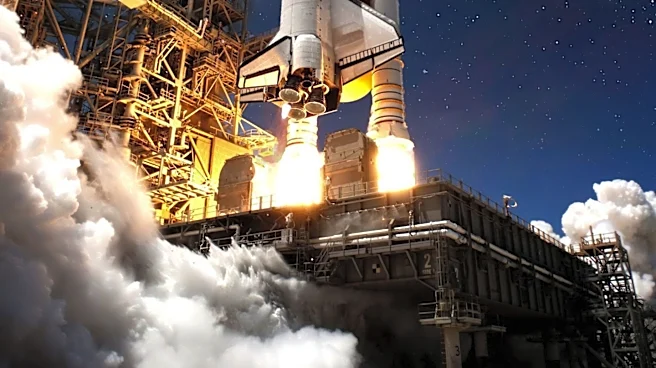

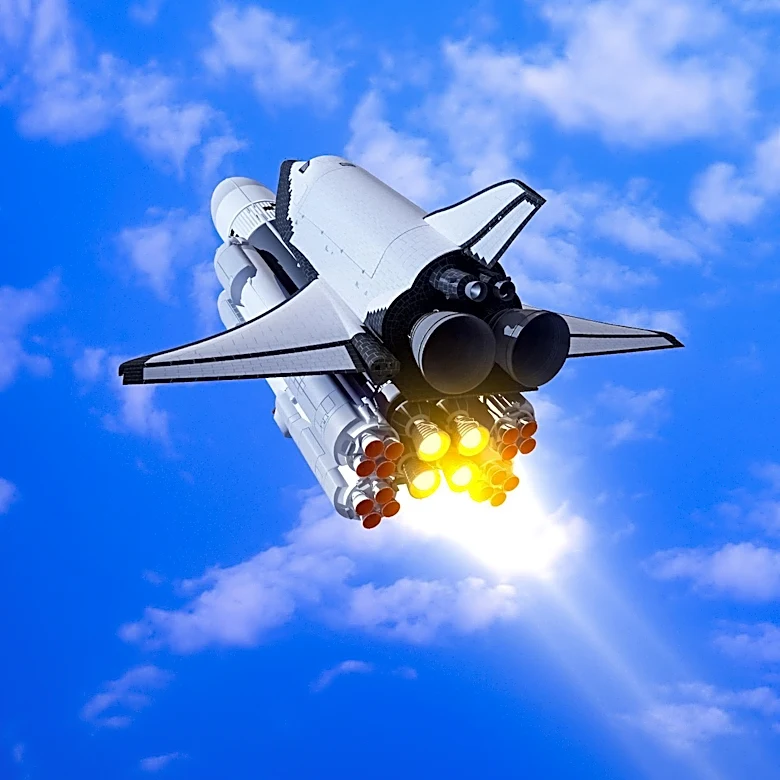

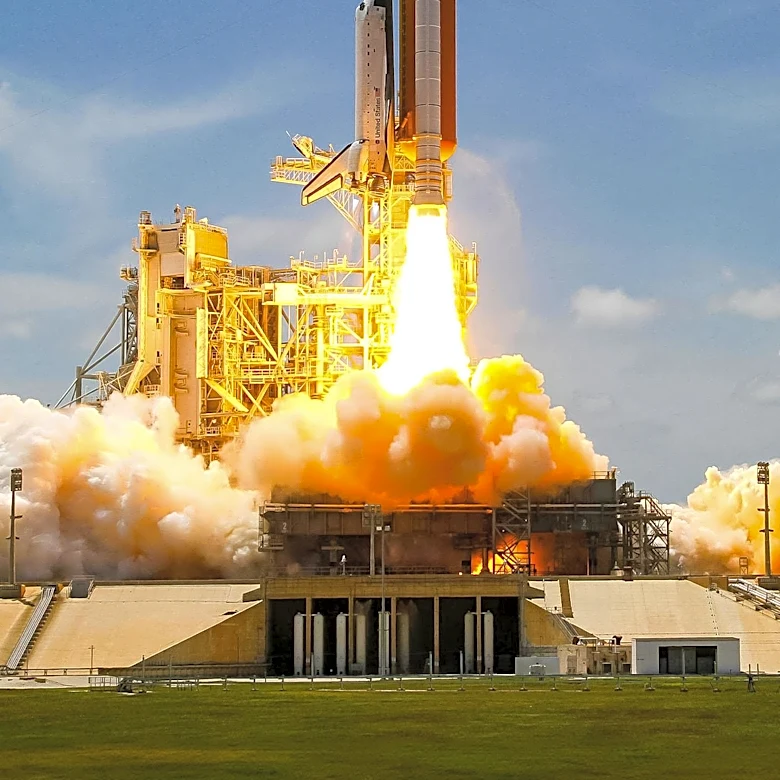




The STS-135 mission, launched on July 8, 2011, holds a special place in the annals of space exploration as the final mission of NASA's Space Shuttle program. This mission not only marked the end of a 30-year era of shuttle flights but also represented a pivotal moment in the transition to new methods of space travel and exploration.
The End of an Era
The Space Shuttle program began in 1981 with the launch of Columbia on STS-1. Over the next three decades, the program became
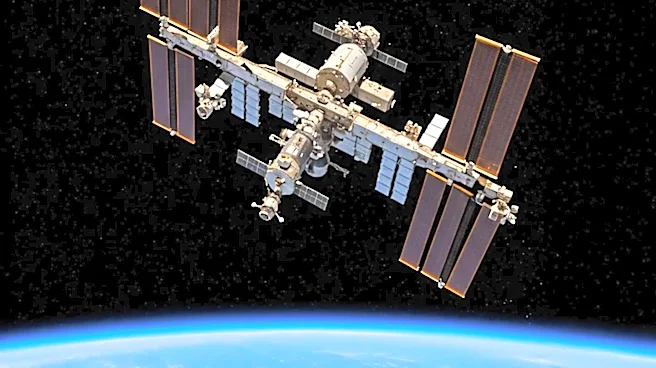
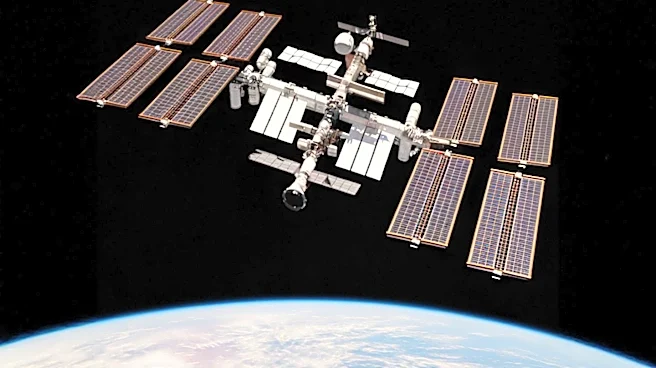
a symbol of American ingenuity and ambition in space exploration. The shuttles were instrumental in building the International Space Station (ISS), deploying satellites, and conducting scientific research in orbit. However, the program was not without its challenges, including the tragic losses of Challenger in 1986 and Columbia in 2003.
STS-135 was initially not part of the planned shuttle missions. It was added as a contingency mission, STS-335, to be flown only if necessary. However, due to potential delays in commercial spaceflight capabilities, NASA decided to proceed with STS-135 to ensure the ISS was adequately supplied. This decision underscored the importance of the shuttle program in maintaining the ISS and highlighted the transitional phase in NASA's approach to space exploration.
The Mission's Impact
The mission's primary objective was to deliver supplies to the ISS using the orbiter Atlantis. The cargo included the Multi-Purpose Logistics Module (MPLM) Raffaello and a Lightweight Multi-Purpose Carrier (LMC), essential for the continued operation of the ISS. The mission also featured a reduced crew of four astronauts, the smallest since 1983, due to the lack of a backup shuttle for rescue.
STS-135's successful completion ensured that the ISS remained operational until commercial resupply missions could take over. The mission also demonstrated the shuttle's versatility and capability in supporting complex space operations, even in its final flight.
A New Chapter in Space Exploration
The conclusion of the Space Shuttle program with STS-135 marked a significant shift in NASA's strategy. The program's end paved the way for new initiatives, such as the Commercial Crew Program and the Artemis program, which aim to return humans to the Moon and eventually to Mars. The legacy of the Space Shuttle program, including its contributions to science, technology, and international collaboration, continues to influence these new endeavors.
STS-135, as the final mission, serves as a reminder of the achievements and challenges of the Space Shuttle program. It symbolizes both the end of a remarkable era and the beginning of a new chapter in human space exploration.