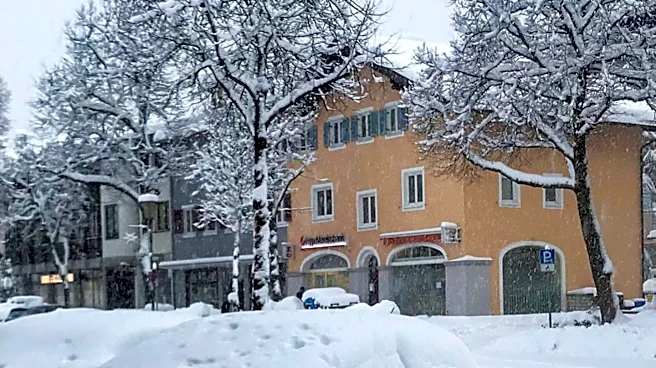





The 2011 Halloween nor'easter, a storm that brought unprecedented early-season snowfall to the northeastern United States and Canadian Maritimes, left a trail of significant disruption and economic damage. Beyond the novelty of a "white Halloween," the storm's true impact was felt in the widespread power outages, the destruction of natural landscapes, and the tragic loss of life. This event, occurring just two months after Hurricane Irene had already
caused extensive damage in the Northeast, highlighted the vulnerability of infrastructure to severe weather, especially when compounded by unusual conditions like snow falling on still-leafy trees.
A Region Plunged into Darkness: The Power Outage Crisis
The combination of high winds and wet, heavy snow proved devastating for the power infrastructure across the Northeast. Many trees still retained their leaves, which meant the snow accumulated more easily and added immense weight to branches, leading to widespread collapses. These downed trees and branches caused considerable damage, particularly to power lines, resulting in massive power outages. In total, 3.2 million U.S. residences and businesses across 12 states experienced a loss of electricity, with the storm also affecting three Canadian provinces.Some customers in Connecticut faced prolonged outages, with power not fully restored until early November, and many outages lasting as long as 11 days. The delays in restoring power in Connecticut led to significant public criticism and ultimately the resignation of the chief operating officer of Connecticut Light & Power, amid accusations of mishandling both this nor'easter and Hurricane Irene. Universities were also affected; UMass Amherst experienced a power outage during a traditional party weekend, leading to class cancellations on October 31. The UMass Campus Center served as a rest location for students and local residents without power. Amherst College faced similar conditions, with students seeking refuge in Valentine Dining Hall, a situation one student likened to hurricane responses in her home state of Florida.
Ecological Damage and Community Disruption
The ecological toll of the nor'easter was substantial, particularly in urban and forested areas. In New York City, an estimated one thousand trees fell in Central Park, a number far exceeding the damage caused by Hurricane Irene just two months prior. Connecticut reported similar widespread tree damage. The New York Botanical Garden in the Bronx reported that 2,200 trees in its Thain Family Forest, an old-growth forest and the city's only remaining one from the pre-European colonization era, were damaged. The priority for workers in Central Park after the storm was to make the park safe for the annual New York City Marathon scheduled for the following weekend.Beyond the natural environment, communities faced significant disruption. Many chose to postpone Halloween celebrations, pushing them back from two days to a week later, or canceling them entirely due to safety concerns and ongoing power issues. The widespread impact on daily life underscored the severity of the storm, which arrived on the heels of other significant weather events in 2011, including Hurricane Irene and the 2011 New England tornado outbreak, which had already caused damage in Western Massachusetts.
The Financial and Human Cost
The 2011 Halloween nor'easter was not just a meteorological anomaly; it was a major financial disaster. Estimates for the storm's costs ranged between $1 billion and $3 billion, making it the 14th multibillion-dollar weather-related disaster of 2011. This figure broke a three-year-old record of nine such events in a single year. The economic impact was felt across various sectors, from utility companies grappling with repair costs to individuals and businesses dealing with property damage and lost revenue.Tragically, the storm also resulted in a significant loss of life, with 39 fatalities attributed to the event. Among these, at least six people died in traffic accidents caused by hazardous conditions, and two individuals were electrocuted by downed power lines. The human cost, combined with the extensive property damage and widespread disruption, cemented the 2011 Halloween nor'easter as a profoundly impactful and costly weather event for the northeastern United States and beyond.