
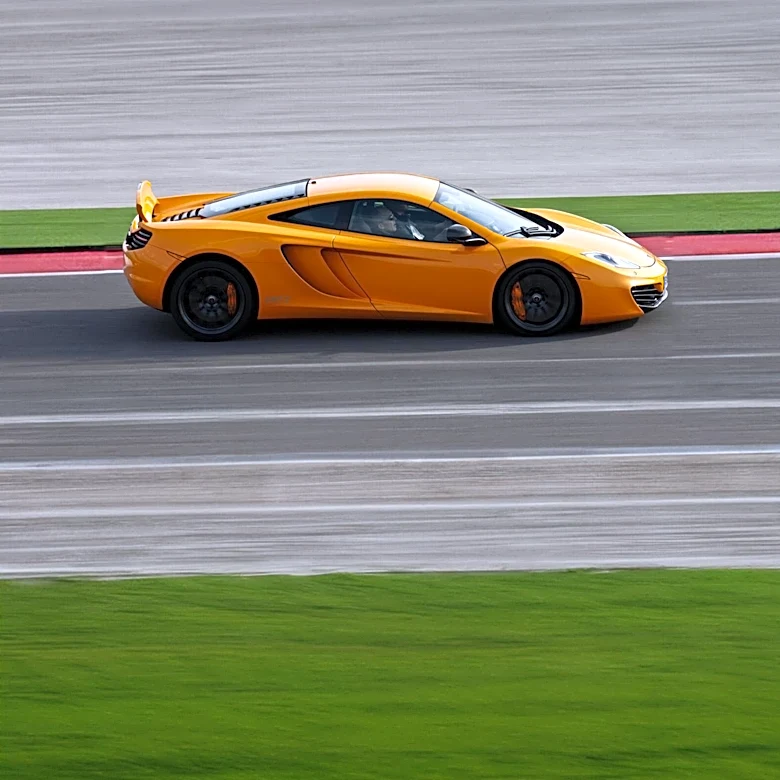
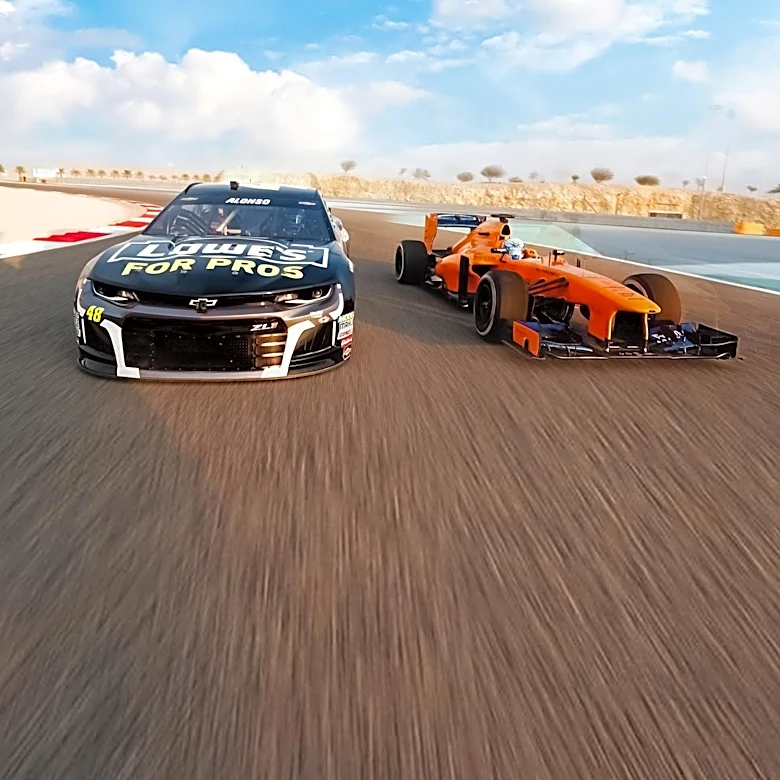




In the competitive realm of motorsports, a 'hot lap' represents a critical moment where a driver pushes their vehicle to its absolute performance limit. Also known as a 'flying lap' or 'timed lap,' this intense circuit traversal is not merely about speed; it's a calculated effort to achieve the fastest possible time around a racetrack. Whether in free practice sessions or crucial qualification rounds, the hot lap is a fundamental element that can
dictate a driver's standing, influence race strategy, and even etch their name into the record books.
Defining the Pursuit of Perfection
A hot lap is distinguished from other laps, such as warm-up or cool-down laps, by its singular objective: maximum efficiency and speed. Drivers meticulously manage every aspect of their vehicle's performance, from tire grip and braking points to the precise racing line. The goal is to cross the start and finish lines at full acceleration, extracting every ounce of potential from the car. This pursuit of perfection is what makes the hot lap a true test of both driver skill and vehicle engineering, demanding a seamless integration of human and machine.
During free practice, a hot lap might be aimed at setting a personal best or even a new track record. These sessions allow teams to fine-tune their setups and drivers to familiarize themselves with the circuit's nuances under competitive conditions. The data gathered from these high-speed runs is invaluable for optimizing performance for the main event. It's a continuous process of refinement, where each hot lap provides crucial feedback for subsequent adjustments.
Qualification: The Battle for Grid Position
The most prominent application of the hot lap is in qualification sessions. Here, the stakes are significantly higher, as the times achieved directly determine a driver's starting position on the grid for the actual race. A superior starting position can offer a considerable advantage, potentially allowing a driver to avoid early race traffic, maintain a cleaner line, and establish a lead. Conversely, a poor qualification can force a driver to fight through the pack, increasing the risk of incidents and expending valuable resources.
In a qualifying format, competitors are timed over a single flying lap. The process typically involves starting from the pit lane for an out-lap. The timer begins when the car crosses the start-finish line for the first time, and it stops when the line is crossed again at the end of the flying lap. Following this, the competitor performs an in-lap to return to the pits. This structured approach ensures fairness and provides a clear metric for comparison among all participants, making the hot lap a cornerstone of competitive motor racing.
Beyond Motor Racing: The Flying Lap in Cycling
The concept of a 'flying lap' extends beyond motor racing into other competitive sports, notably cycling. In events like the omnium, a multi-discipline track cycling event, a flying lap is an individual time trial over a specific distance, such as 250 meters, executed with a "flying start." This means the rider builds up speed before the timed segment begins, similar to how a racing car might approach the start-finish line at full speed for its timed lap.
This application in cycling highlights the universal appeal of a timed, high-speed effort to determine peak performance. Whether on four wheels or two, the flying lap serves as a direct measure of an athlete's ability to maximize speed and efficiency over a defined course. It underscores the fundamental principle of racing: to cover a given distance in the shortest possible time, pushing boundaries and striving for excellence.