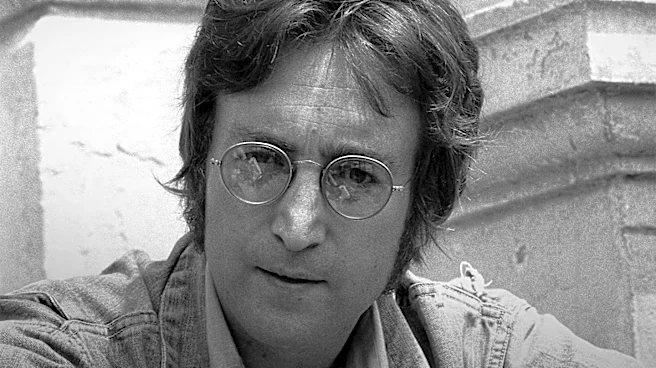







John Lennon, the iconic musician and former member of The Beatles, faced a significant political struggle in the early 1970s. His outspoken anti-war activism and plans to influence young voters in the United States led to a deportation attempt by the Nixon administration. This article delves into the details of Lennon's legal battle to remain in the U.S., highlighting the political motivations behind the government's actions and the eventual resolution
of the case.
The Nixon Administration's Concerns
In the late 1960s and early 1970s, John Lennon became a prominent anti-war advocate, which made the Nixon administration uneasy. The Vietnam War was a contentious issue, and many young Americans opposed it. Lennon, with his influence and popularity, was seen as a potential threat to President Nixon's reelection prospects in 1972. The administration feared that Lennon's involvement in anti-war activities and his plans to organize a tour combining rock music with voter registration could sway first-time voters, who were believed to lean towards the Democratic Party.
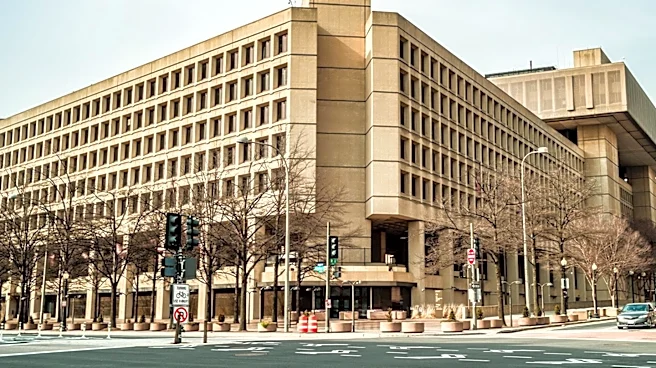
The Immigration and Naturalization Service (INS), acting on a suggestion from Senator Strom Thurmond and likely at Nixon's behest, ordered Lennon's deportation in the spring of 1972. The official reason cited was Lennon's 1968 conviction for cannabis possession in the UK, but the underlying motivation was clearly political. The administration aimed to silence Lennon's influence and prevent him from mobilizing young voters against Nixon.
The Legal Battle and FBI Surveillance
Lennon's legal battle against deportation was a lengthy and complex process. His lawyer, Leon Wildes, successfully defended him, arguing that the deportation order was politically motivated. The case drew significant public attention, with numerous friends and supporters, including folk singer Bob Dylan, advocating for Lennon's right to stay in the U.S.
During this period, Lennon was also under extensive surveillance by the FBI. The agency monitored his activities closely, although there was no evidence of wiretapping. The surveillance lasted about 11 months and was part of a broader effort to neutralize Lennon's opposition to Nixon's reelection. The FBI eventually closed its investigation in December 1972, after Nixon's reelection, citing Lennon's inactivity in revolutionary activities.
Resolution and Legacy
The deportation order against John Lennon was eventually overturned in 1975, allowing him to remain in the United States. The case highlighted the intersection of politics and immigration law, as well as the lengths to which the government would go to suppress dissenting voices. Lennon's struggle became a symbol of resistance against political oppression and underscored the importance of free speech and activism.
Lennon's battle with the U.S. government remains a significant chapter in his life, illustrating the challenges faced by those who dare to speak out against powerful political forces. His legacy as an activist and advocate for peace continues to inspire generations, reminding us of the enduring power of music and activism in shaping social and political change.