





Hand wraps are a fundamental piece of equipment in boxing and other combat sports, but their application and composition are far from uniform. Far from being a simple strip of cloth, hand wraps come in various materials and lengths, and their wrapping methods are often highly personalized. This adaptability allows athletes, cornermen, and cutmen to customize the support and protection based on individual needs, specific situations, and even competition
rules, transforming a basic item into a tailored tool for performance and safety.
Diverse Materials and Their Characteristics
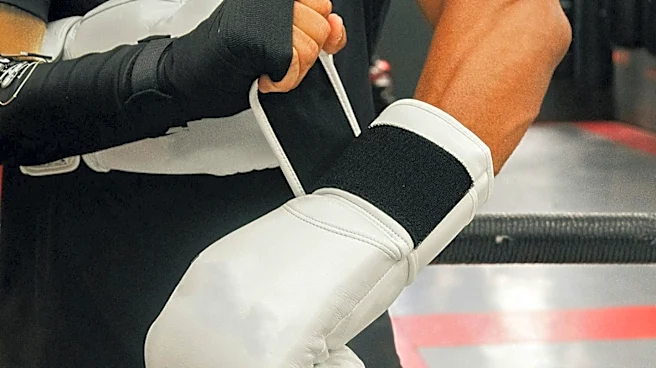
The materials used for hand wraps vary, each offering distinct characteristics. For competition, hand wraps are frequently made of gauze and tape. This combination allows for a very secure and rigid wrap, often applied by experienced cornermen or cutmen, designed to maximize protection and support under strict regulatory guidelines. The gauze provides the foundational compression and padding, while the tape secures everything firmly in place, creating a robust cast-like structure under the boxing glove.For training purposes, reusable cloth wraps are common. These are typically secured with a small tie tab or with Velcro, making them convenient for repeated use and easier for athletes to apply themselves. Within cloth wraps, there are further distinctions. Conventional hand wraps are non-elastic, providing a firm, consistent compression. In contrast, Mexican-style hand wraps are slightly elasticized, a feature that has made them popular with many boxers. This slight elasticity can offer a different feel of snugness and flexibility, which some athletes prefer for comfort and a perceived better fit.
Tailoring the Wrap: Methods and Customization
The method of wrapping a hand is not standardized; rather, it is a craft honed by sportspersons, cornermen, and cutmen, each developing preferred techniques based on experience and the specific situation. These variations allow for significant customization of the wrap's properties. For instance, a wrapping method might be chosen to provide more wrist support, which is crucial for athletes prone to wrist instability or those delivering powerful hooks. Other methods might focus on enhancing thumb and pinky support, protecting these digits from sprains or fractures during impact.Padding for the knuckles is another common customization. By layering the wrap material more thickly over the knuckles, additional cushioning can be provided, which can be beneficial for comfort and reducing superficial injuries during heavy bag work or sparring. Conversely, some athletes might prefer less fabric within the fist, aiming for a tighter, more compact feel inside the glove. A practical technique often employed is to include a single wrap between the fingers, over the finger web. This helps to stabilize the entire wrap and prevents it from shifting or falling apart within a looser-fitting glove, ensuring consistent protection throughout a training session or bout.
Length, Rules, and Modern Alternatives
The length of hand wraps is not fixed and can vary considerably. Factors influencing wrap length include competition rules, personal preference, the size of the athlete's hand, and the type of glove to be worn. For example, shorter wraps are common for fingerless "grappling gloves" used in mixed martial arts, where dexterity and grip are also important. Longer wraps allow for more layers and greater customization of support and padding.Competition rules often play a significant role in dictating the type and amount of material that can be used, particularly for professional bouts. Fighters are typically given a limited amount of gauze and tape, which must then be strategically divided and rolled in various ways to suit a particular fighter or match. This highlights the skill and experience required of cornermen in preparing a fighter's hands. Beyond traditional wraps, a newer alternative has emerged: foam or gel-lined fingerless gloves. These are worn inside any boxing glove and are designed to reduce and prevent harm to the hands and head. While they offer efficiency, their durability may be sacrificed compared to traditional wraps, and their use in competition depends on the rules of the governing organization. This evolution reflects an ongoing effort to balance protection, performance, and practicality in combat sports hand protection.