





The United States dollar, once backed by precious metals like gold and silver, has undergone a significant transformation into a fiat currency. This shift has had profound implications for the U.S. economy and the global financial system. Understanding this transition provides insight into the current nature of the dollar and its role in the world today.
The End of Metal-Backed Currency
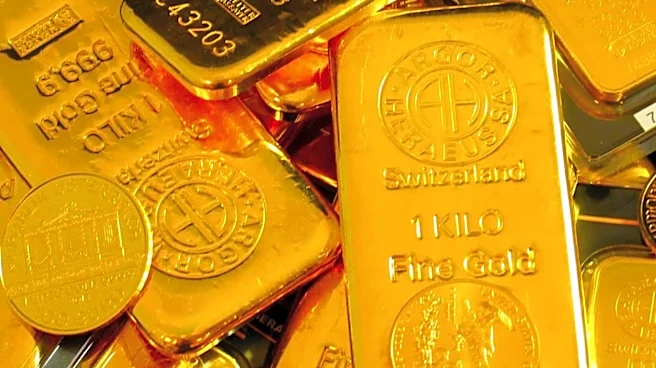
For much of its history, the U.S. dollar was backed by physical assets, primarily gold and silver.
This meant that holders of U.S. currency could, in theory, exchange their dollars for a fixed amount of these metals. However, this system began to change in the mid-20th century as the limitations of metal-backed currency became apparent.
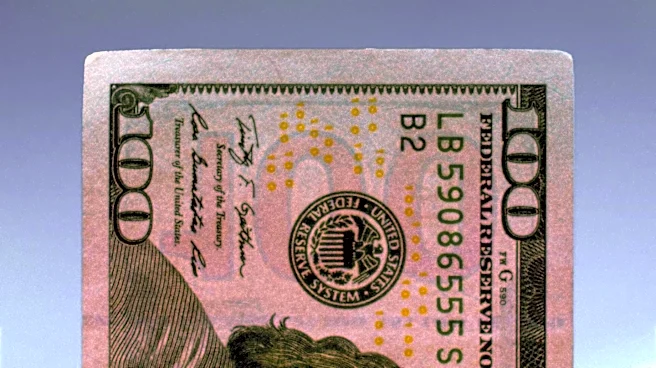
In 1963, the words "PAYABLE TO THE BEARER ON DEMAND" were removed from Federal Reserve Notes, signaling a move away from the promise of redemption in gold or silver. By 1968, the redemption of pre-1963 notes for gold or silver officially ended, marking a significant step towards a fiat currency system. The Coinage Act of 1965 further solidified this transition by removing silver from circulating coins, except for a few exceptions like the Kennedy Half Dollar, which retained some silver content until 1969.
The Fiat Standard and Its Implications
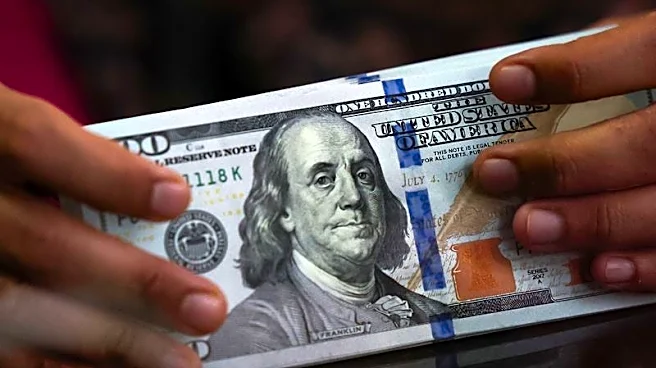
Today, the U.S. dollar operates as a fiat currency, meaning it is not backed by any physical asset. Instead, its value is derived from the trust and confidence of those who use it. This system allows for greater flexibility in monetary policy, as the supply of money is not constrained by the availability of gold or silver.
The transition to fiat currency has also raised concerns about the potential for inflation and the devaluation of money. Since fiat currency can be produced at near-zero marginal cost, there is a risk of overproduction, which can lead to inflation. Despite these concerns, the U.S. dollar remains a stable and widely accepted currency, both domestically and internationally.
The Modern Role of the U.S. Dollar
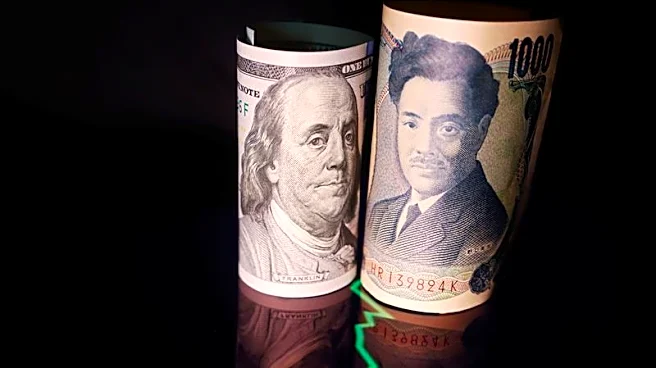
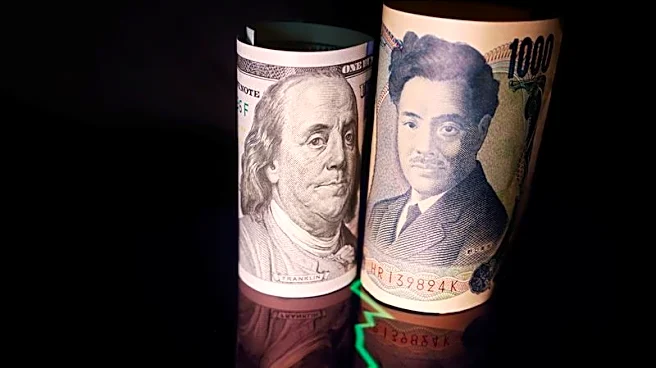
As a fiat currency, the U.S. dollar continues to play a crucial role in the global economy. It is the primary reserve currency held by governments and institutions worldwide, facilitating international trade and investment. The dollar's status as a global currency is supported by the economic strength of the United States and the stability of its financial system.
While the transition to fiat currency has changed the nature of the U.S. dollar, it has also allowed for greater economic flexibility and resilience. The modern dollar, unbacked by physical assets, relies on the trust and confidence of its users, a testament to its enduring significance in the global financial landscape.