









The Taj Mahal, an ivory-white marble mausoleum located in Agra, Uttar Pradesh, India, stands as a testament to profound love and enduring grief. Commissioned in 1631 by the fifth Mughal emperor, Shah Jahan, its primary purpose was to house the tomb of his beloved wife, Mumtaz Mahal. Her death on June 17 of that year, while giving birth to their 14th child, Gauhara Begum, plunged the emperor into deep sorrow. The construction of this iconic structure,
which also eventually became Shah Jahan's final resting place, began in 1632, with the mausoleum itself completed by 1648. The entire complex, including surrounding buildings and gardens, was finished five years later, in 1653.
The Emperor's Devotion and Loss
Contemporary historians extensively documented Shah Jahan's intense grief following Mumtaz Mahal's passing, highlighting the depth of his affection for her. Accounts from Muhammad Amin Qazvini, Abdul Hamid Lahori, and Muhammad Saleh Kamboh indicate that Shah Jahan did not display such a level of devotion to anyone else during her lifetime. His sorrow was so profound that he reportedly withdrew from royal affairs for a week and abstained from listening to music and wearing lavish attire for two years after her death. This period of mourning underscores the personal tragedy that served as the catalyst for one of the world's most famous architectural marvels.The inspiration for the Taj Mahal is deeply rooted in this personal narrative of love and loss. The monument is not merely a grand tomb but a physical manifestation of Shah Jahan's enduring love for Mumtaz Mahal. The imperial court's records of his grief solidify the love story as the central inspiration for the Taj Mahal, making it a globally recognized symbol of romantic devotion.
Site Selection and Early Construction
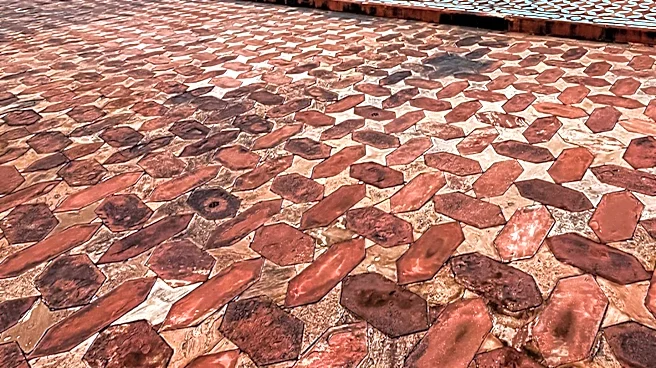
Shah Jahan's desire to create a fitting memorial for Mumtaz Mahal led him to select a beautiful piece of land on the south side of Agra, along the Yamuna River. This site, which originally held a mansion belonging to Raja Jai Singh I, captivated the emperor. Jai Singh I agreed to exchange this prime location for a large palace situated in the center of Agra, facilitating the commencement of the ambitious construction project.Once the site was secured, construction began in earnest. An area of approximately 1.2 hectares (3 acres) was excavated, filled with dirt to prevent water seepage, and leveled to 50 meters (160 feet) above the riverbank. For the tomb's foundation, piles were dug and filled with a mixture of lime and stone. The platform above ground was then constructed using brick and mortar. The tomb complex primarily utilized brick and lime mortar, with the main tomb building's exterior and the central cenotaph chamber's interior veneered in white marble. Other interior surfaces and accessory buildings were lined with red sandstone, coated with a red octet for protection, excluding the exterior surfaces of domes.