





Bangles, as a form of wrist jewelry, represent a fascinating intersection of art, craftsmanship, and cultural tradition. Their evolution over millennia showcases a remarkable journey through various materials, design philosophies, and manufacturing techniques. From the earliest excavated pieces to contemporary styles, the creation of bangles has consistently adapted to available resources and aesthetic preferences, while maintaining their fundamental
circular and inflexible form.
Early Craftsmanship and Material Innovation
The history of bangle craftsmanship is deeply rooted in ancient civilizations of the Indian subcontinent. Archaeological findings reveal bangles made from diverse materials such as sea shell, copper, bronze, gold, agate, and chalcedony, dating back as far as 2300–1750 BCE. These early examples, including those from Mohenjo-daro and Mahurjhari, demonstrate an understanding of material properties and basic shaping techniques. The presence of copper rivets and gold-leaf inlay in some ancient bangles further indicates a level of sophisticated artistry and the use of composite materials even in antiquity.
During the Mauryan Empire (322–185 BC) and at sites like Taxila (6th century BC), decorated bangles and gold samples were found, suggesting a continuous development in design and the use of more precious materials. The ability to work with different metals and stones to create these ornaments highlights the skilled artisans of these periods, who laid the groundwork for future generations of bangle makers.
Design Principles and Material Diversity
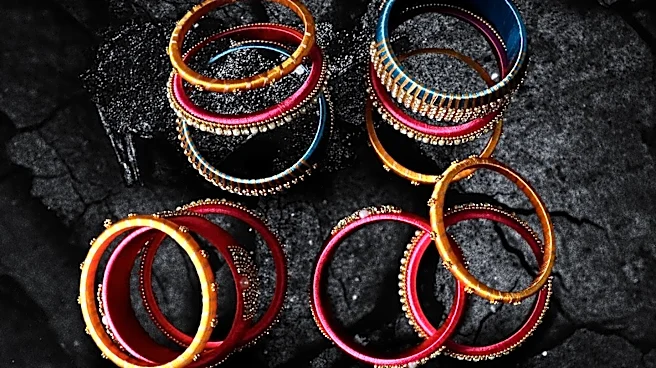
Bangles are fundamentally circular and, unlike many bracelets, are not flexible. This inherent rigidity dictates much of their design and how they are worn. The range of materials used in their creation is vast, encompassing precious metals like gold, silver, and platinum, alongside more accessible options such as glass, wood, ferrous metals, and plastic. This diversity allows for bangles to be produced for various occasions, budgets, and aesthetic tastes.
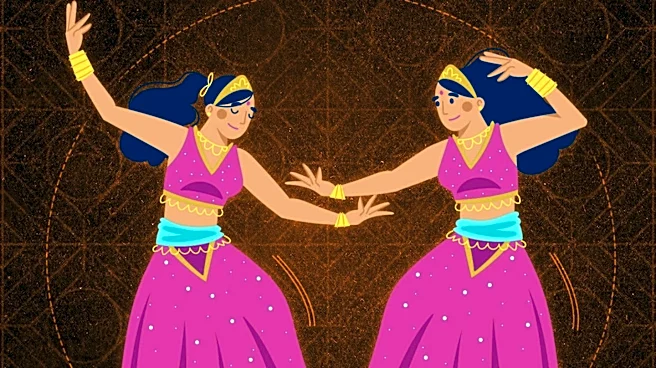
Designs can range from understated simplicity to elaborate, handmade creations. Many bangles are adorned with precious and semi-precious stones, including diamonds, gems, and pearls, adding to their visual appeal and value. The sound produced by bangles is also a design consideration; expensive gold and silver bangles often create a jingling sound, while imitation jewelry might produce a tinny sound when moved. This auditory element is particularly significant in contexts like Indian dance forms, where the sound of bangles striking each other contributes to the performance.
Types, Techniques, and Modern Trends
Bangles generally fall into two basic types: a solid cylinder or a split, cylindrical spring opening/closing design. The choice of material is a primary differentiator, with options extending to jade, lac, and even rubber. Lac bangles, one of the oldest types, are made from a resinous material secreted by insects, collected and molded in hot kilns. These are known for their brittleness but also their historical significance.
Modern advancements have introduced rubber bangles, often worn by younger individuals as wristbands, and plastic bangles, which offer a trendy look. The value of a bangle is not solely determined by its base material but also by the additional artistry applied, such as embroidery, the incorporation of small glass pieces, intricate paintings, or decorative hangings. The rarity of a color or the uniqueness of a design can also significantly increase its value. The rising cost of gold has also led to an increase in the popularity of imitation bangles, demonstrating how traditional jewelry forms adapt to economic realities while still fulfilling their cultural and aesthetic roles.