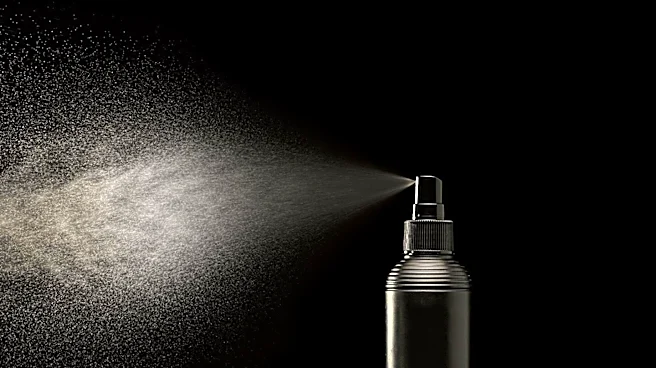







Dry shampoo, a convenient hair care product that allows users to refresh their hair without water, has a rich history that dates back centuries. While it may seem like a modern innovation, the concept of using powders to cleanse hair has been around for a long time. This article delves into the historical journey of dry shampoo, tracing its origins and evolution through different eras.
Early Uses of Hair Powders
The use of powder-based products to cleanse hair can be traced
back to the late 15th century in Asia, where clay powder was used to clean hair. During the Elizabethan era, when regular bathing was not common, clay powders became popular among women to remove excess dirt and oil from their hair. These powders were sometimes colored for decorative purposes, adding a touch of style to the practical cleansing process.
In the 18th century, hair powders gained popularity among British and American elites. At a time when long hair was a symbol of masculine privilege, these powders were used to absorb oils in both natural hair and wigs. The first written reference to dry shampoo in the United States dates back to the late 1700s, when starches were used to deodorize and alter the color of wigs.
The Commercialization of Dry Shampoo
The commercialization of dry shampoo began in the 1940s with the introduction of Minipoo by the Stephanie Brooke Company in Jersey City, New Jersey. Minipoo was marketed as a convenient solution for women and children, particularly for "surprise dates" or when they were sick in bed. This marked the beginning of dry shampoo as a widely available consumer product.
Throughout the 20th century, dry shampoo continued to evolve, with various formulations and packaging innovations. The product gained popularity for its ability to reduce hair greasiness without the need for water, making it a staple in many households.
Modern Developments and Innovations
In recent years, dry shampoo has seen a resurgence in popularity, thanks in part to its convenience and versatility. Modern formulations often include ingredients like corn starch or rice starch, which effectively absorb sebum and reduce the greasy appearance of hair. Additionally, dry shampoo has become a valuable tool for hairstyling, helping to create volume and hold styles in place.
Despite its benefits, some users caution against overuse, as it can lead to product buildup and scalp irritation. Nevertheless, dry shampoo remains a popular choice for those looking to extend the time between traditional washes and maintain a fresh appearance.
The evolution of dry shampoo from a simple clay powder to a sophisticated hair care product highlights its enduring appeal and adaptability. As consumers continue to seek convenient and effective solutions for hair care, dry shampoo is likely to remain a staple in the beauty industry for years to come.